
Starting up once meant stacks of cash, hiring squads, and growing fast. Lately, something different has taken hold. From tiny apartments to rural towns, individuals and small pairs run ventures without fanfare — using simple tech, online platforms, and minimal overhead to turn sharp ideas into steady earnings. More founders are skipping big funding rounds, staying independent, and choosing control over scale.
Small Teams, Big Results

Most micro-startups run with one to five people. Speed thrives here: fewer voices mean quicker decisions, and there’s no corporate red tape. Ideas ship in weeks, not quarters, because lean teams stay light on their feet.
Lower Startup Costs

A single laptop now does what once required serious capital. No-code tools, free tiers of business software, and ready-made selling platforms let founders build real products without months of development or heavy upfront spending.
Focus Over Scale

Small teams often ignore broad appeal at first. Solving one tight problem deeply earns loyal customers — and loyalty grows when the solution fits perfectly. Reaching everyone matters less than serving someone completely.
Profitability First

Many micro-founders care more about consistent earnings than explosive growth. Free from investors demanding speed, they choose a slower, steadier path that keeps them in charge of their own companies.
The Power of Digital Platforms

Selling has been transformed by platforms like Shopify, Gumroad, Substack, and Etsy. A digital product, course, or service can now reach buyers worldwide with minimal backend work — the storefront is built in.
Remote Work Advantage

Hiring gets easier when distance doesn’t matter. Team members and contractors join from anywhere in the world, bringing skills exactly when needed without the cost of offices or relocation.
Faster Experimentation

Small size means micro-startups can test ideas without hassle. A product goes live quickly, real customer reactions shape what comes next, and changes happen fast — all while keeping costs low.
Lifestyle Entrepreneurship

For a growing number of founders, freedom matters as much as money. Built small on purpose, these ventures let people shape work around life — setting their own hours and operating from nearly anywhere.
The Rise of AI and Automation
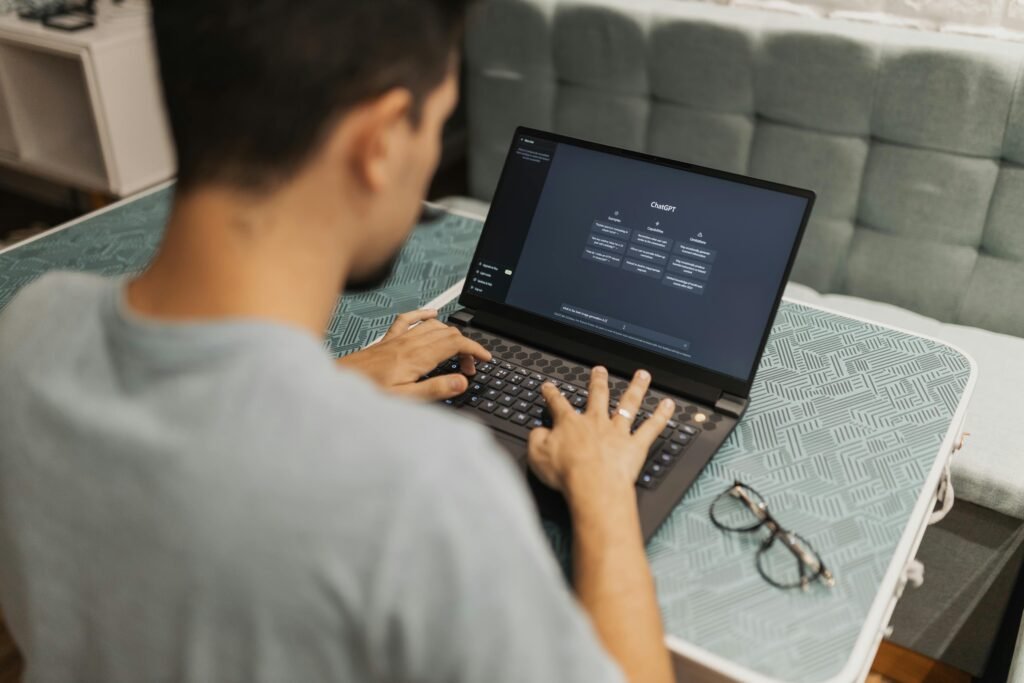
Smart software now handles work that once needed staff: answering customer questions, analyzing buyer behavior, drafting content. Automation lets tiny teams operate at a scale that used to require many more people.
A New Way to See Success

Success once meant huge valuations and rapid growth. Not every founder chases that dream anymore. Micro-startups prove another path exists: earning enough, staying in control, and choosing balance over the billion-dollar chase.
