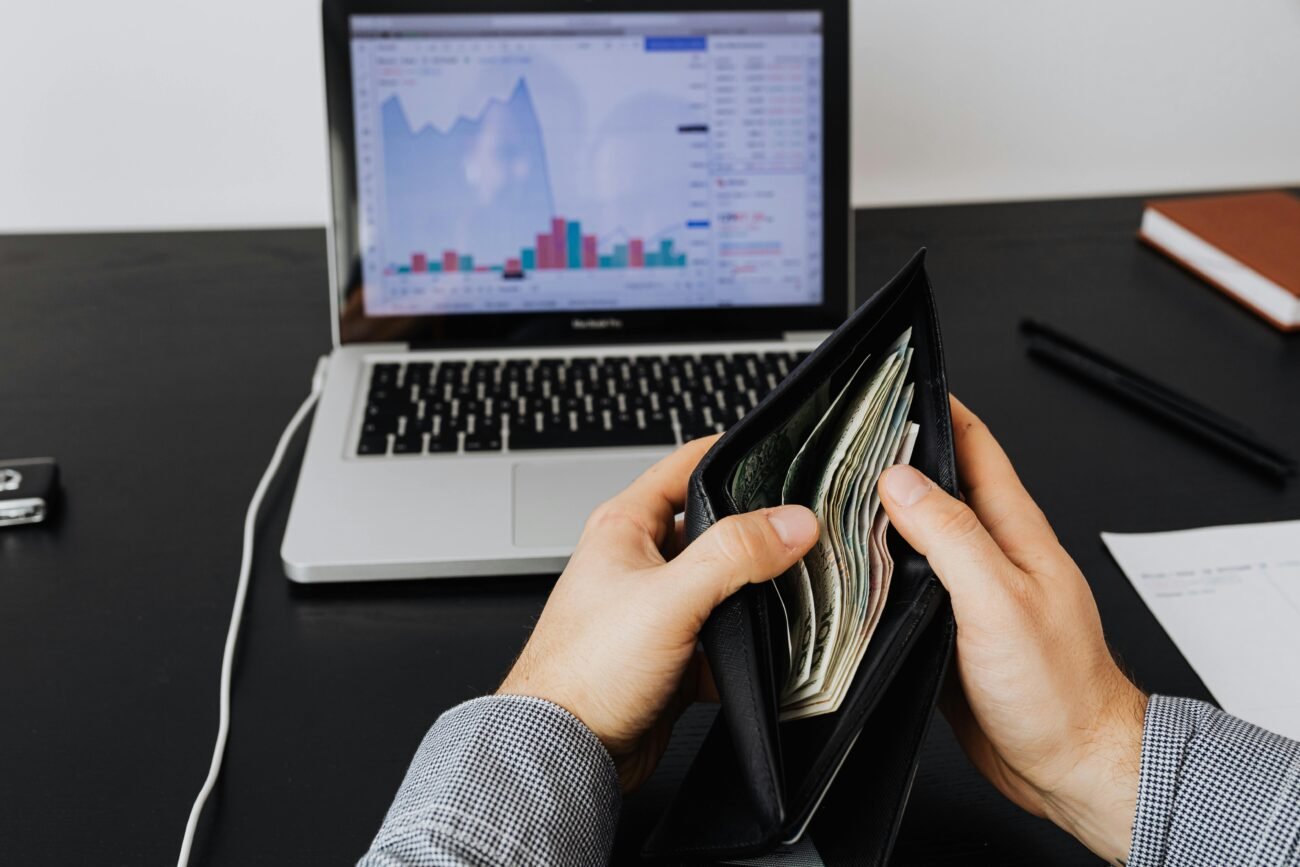
Small purchases often hurt more than big ones — slow leaks sink budgets. Across the U.S., households face rising prices while daily routines quietly drain cash. A coffee here, a delivery order there — these small bites compound before most people notice. As living costs climb, spotting the hidden drains on your wallet matters more than ever. Here’s a closer look at the everyday expenses that empty American wallets, and why they’re so hard to notice.
Coffee Habit
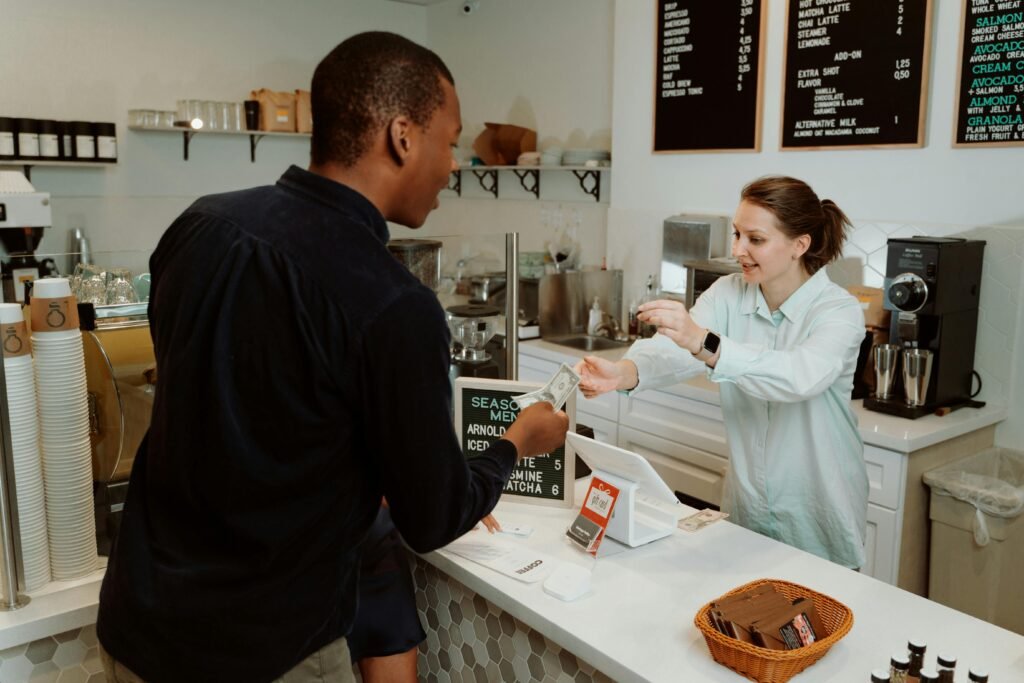
A daily coffee seems harmless. But five dollars each morning adds up to roughly $150 by month’s end — over $1,800 a year. Brewed at home, that same habit costs a fraction. The point isn’t to eliminate small pleasures, but to recognize which ones are worth the price: a $5 latte you savor is different from one you buy on autopilot.
Food Delivery Culture

Ordering dinner online feels effortless, but the true cost hides in layers: service fees, delivery fees, tips, and menu prices that are often higher than in-store. A $15 meal can easily become $25 or more after fees. Cooking at home — even a few nights a week — is one of the fastest ways to cut this drain, and meal planning removes the “too tired to cook” trigger.
Subscription Overload

Streaming services, apps, and memberships bill quietly every month. Forgotten subscriptions pile up while charges slip by unnoticed. The fix is a subscription audit: list every recurring charge, cancel what you don’t use, and rotate streaming services instead of paying for all of them at once.
Impulse Shopping

One-click buying and flash sales make impulse purchases effortless. The 24-hour rule helps: wait a day before buying anything unplanned. Most urges fade — and whatever still seems worth it tomorrow is a more deliberate choice.
Ride Convenience

Rideshare trips feel cheap individually but stack up fast — often several times the cost of public transit for the same route. Batching errands, using transit passes, or arranging carpools can cut this spending dramatically without giving up convenience entirely.
Convenience Stores

Corner shops charge a premium for chips, drinks, and small items — sometimes double the supermarket price. A weekly grocery run, plus keeping snacks at home or at work, eliminates most of these high-markup stops.
Buy Now Pay Later

Splitting purchases into installments makes spending feel painless, but multiple buy-now-pay-later plans create overlapping payments that are easy to lose track of. Missed payments can bring fees, and the psychology of “just a few dollars a month” encourages buying more than you would outright.
Lifestyle Inflation

When income rises, spending tends to rise with it — nicer apartments, newer cars, pricier habits. This “lifestyle creep” quietly absorbs raises that could have gone to savings. The antidote: save half of every raise before you get used to spending it.
Digital Payments Ease
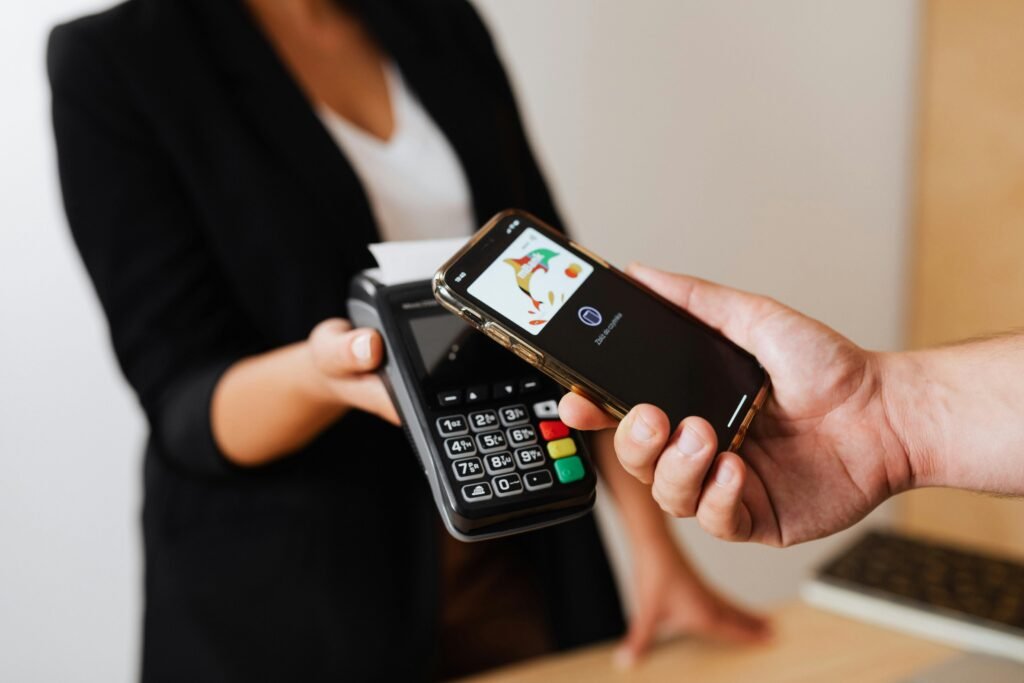
Tapping to pay removes the friction — and the awareness — of spending. Without physical cash changing hands, it’s easy to lose track. Using a budgeting app, setting weekly spending alerts, or switching key categories back to cash restores the visibility that digital payments erase.
Small Leaks Sink Budgets

Individually, each of these costs feels trivial. Together, they can drain hundreds of dollars a month — often more than a single big expense would. The good news: small leaks are also the easiest to fix. Pick one or two, plug them, and redirect the savings somewhere they compound.
