
Artificial intelligence has moved from research labs into daily office life. It’s no longer just for coding or data science — AI is reshaping how companies hire people, keep teams productive, and plan for the future. Algorithms now sift through mountains of information, automate repetitive work, and inform major decisions. As competitive pressure grows and speed matters more, AI gives managers a forward-looking edge. But every gain raises familiar questions: which skills matter now, how roles change alongside automation, and how teamwork evolves when algorithms join the room.
Smarter Hiring Tools

Many companies now use AI to sort through job applications. Applicant tracking systems scan resumes for relevant skills and experience, surfacing candidates who best match the role’s requirements. Instead of waiting days for a first review, hiring teams get fast, data-backed signals about which backgrounds align — though human recruiters still make the final call.
Faster Recruitment Process

AI is speeding up the earliest hiring stages. Resume screening that once took hours now takes minutes, and matching algorithms compare applicants against role criteria without slow manual checks. Chatbots handle interview scheduling and answer candidate questions around the clock, keeping the process moving while recruiters focus on conversations that matter.
Data-Driven Decisions
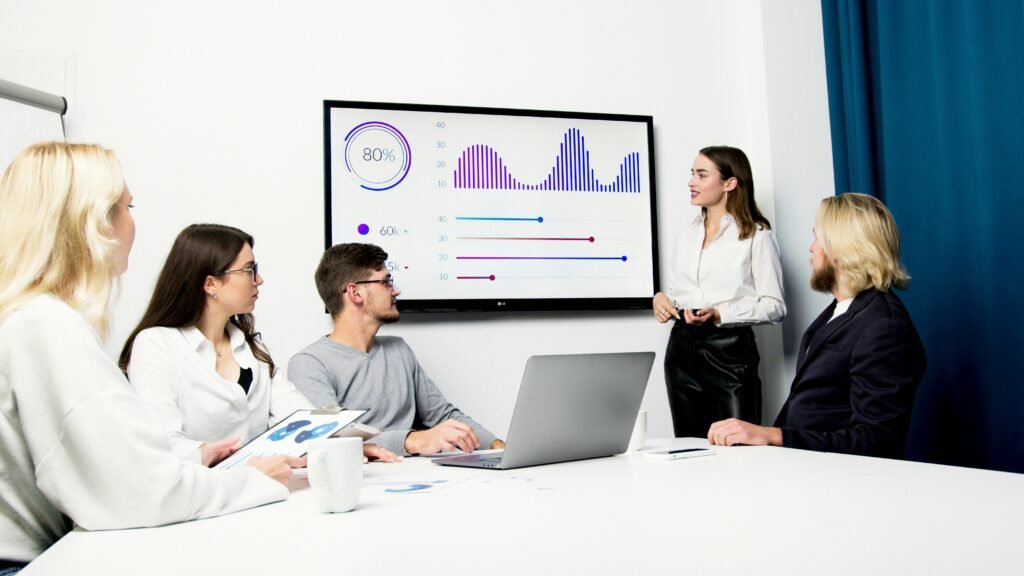
From spotting patterns in team performance to identifying staffing gaps, companies increasingly rely on AI analytics. Leaders can see which teams are stretched thin, where productivity dips, and what skills are missing — then shape hiring and training plans around clearer evidence rather than gut feeling.
Boosting Workplace Productivity

When AI takes over routine work — drafting emails, scheduling meetings, summarizing documents, pulling reports — people reclaim meaningful hours. Generative AI tools can produce first drafts in seconds, letting workers shift their energy toward judgment, creativity, and planning: the tasks machines still can’t do well.
Better Workforce Planning
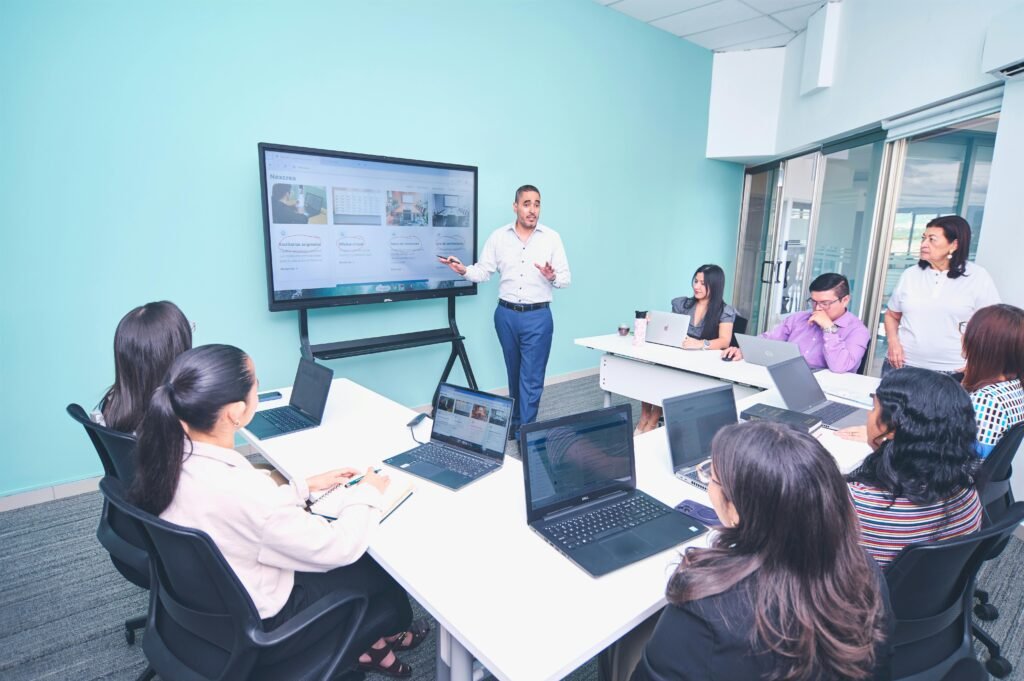
By analyzing patterns in performance, turnover, and hiring timelines, AI helps businesses anticipate their future staffing needs. Companies can forecast which roles will be hardest to fill, plan succession for critical positions, and balance workloads before burnout sets in — turning workforce planning from reactive guesswork into proactive strategy.
Supporting Business Strategy

Executives are bringing AI into strategy discussions. Forecasting models project shifts in customer demand, pricing scenarios, and market conditions, giving decision-makers an earlier read on what’s coming. Used well, these tools don’t replace judgment — they give leaders better inputs for it.
Changing Skill Requirements

As machines absorb routine tasks, the premium shifts to skills AI can’t replicate: critical thinking, data literacy, communication, and complex problem-solving. Workers who can interpret AI output, ask sharp questions, and apply judgment stand out. Continuous learning — especially around AI tools themselves — has become a career asset.
Humans and Technology in Balance

Even as automation accelerates, people remain in charge of the decisions that matter most: strategy, ethics, creativity, and relationships. The most effective organizations treat AI as a capable assistant rather than a replacement — pairing machine speed with human experience, especially where outcomes are uncertain or stakes are high.
Concerns About Bias

AI hiring tools are far from perfect. Because they learn from historical data, they can absorb and repeat past prejudices — Amazon famously scrapped an experimental recruiting tool after it showed bias against women’s resumes. Companies are responding with audits, more representative training data, and human oversight, but fairness in automated hiring remains an active challenge.
The Future Workplace
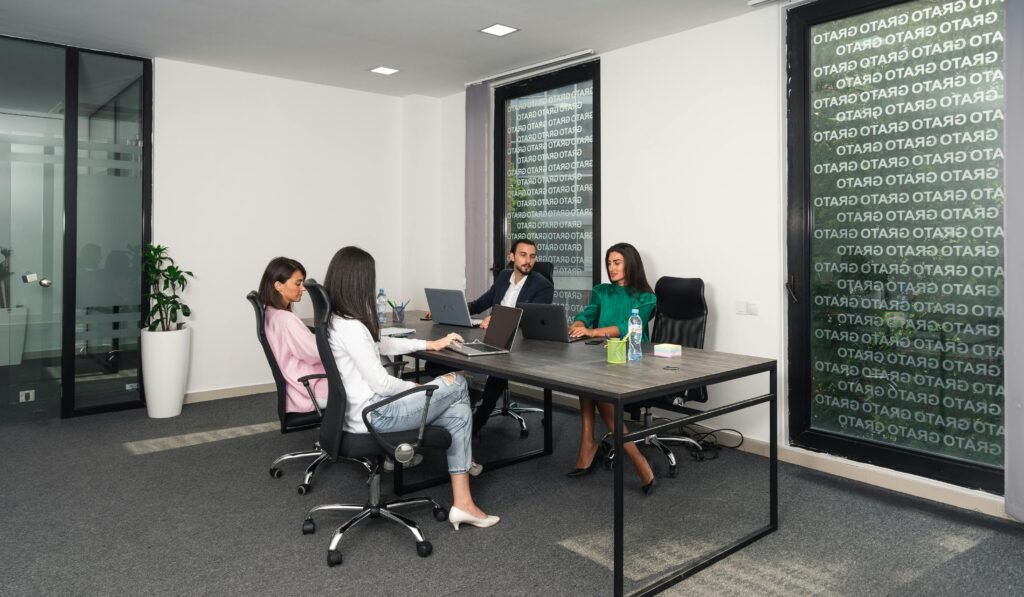
Looking ahead, AI will keep absorbing routine work while creating new kinds of roles — AI trainers, prompt specialists, automation managers. Teams are already redesigning workflows around machine capabilities, and the offices that thrive will be those that pair technological efficiency with distinctly human strengths: curiosity, empathy, and imagination.
