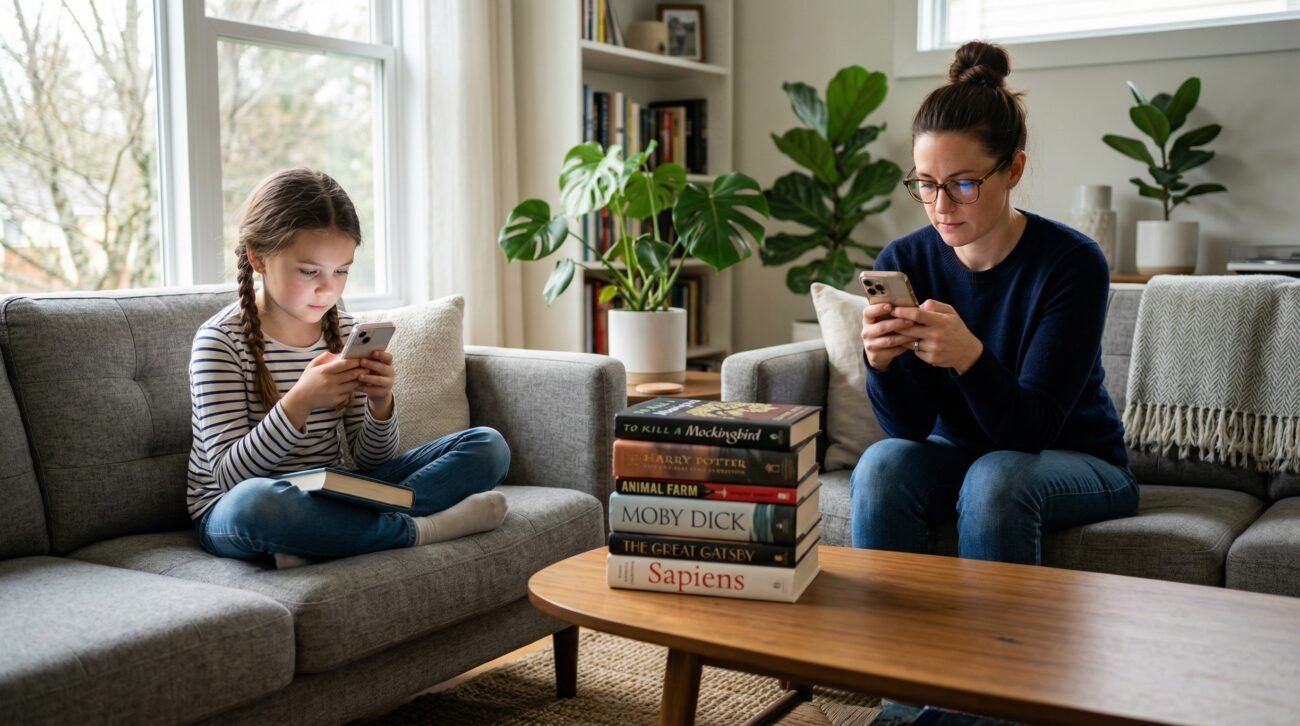
Books gather dust while screens glow bright. Teachers report that young people are reading fewer novels — but adults are reading less too. School campaigns promote reading, families worry over screen time, and experts point at apps and feeds. Yet a quieter truth sits underneath: adults don’t read much more than kids do. Living rooms show few parents turning pages. Even well-educated adults who once devoured stories now scroll through clips and summaries. Reading habits are slipping across generations — and what happens in classrooms may reflect a slower change already underway in adult life.
Phones Everywhere

A child sits glued to a screen, videos playing one after another — while nearby, an adult taps through messages without pause. Instead of books open on laps, glowing rectangles fill hands. The scene is the same in classrooms and living rooms.
No Reading Role Models
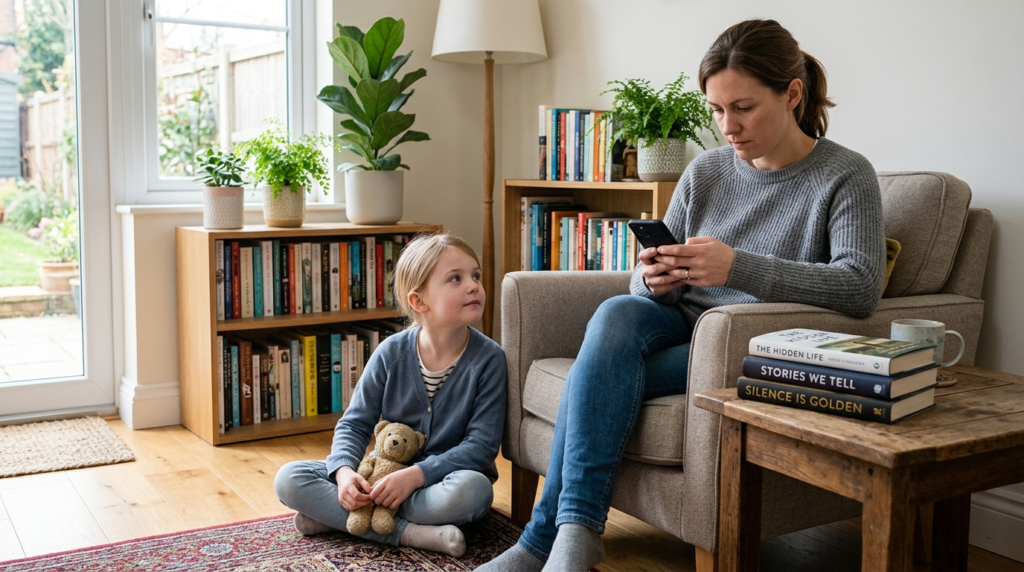
Kids watch more than they listen. Adults who never read send a message without speaking: reading must not matter much. What parents do sticks better than what they say.
Boredom Is Gone
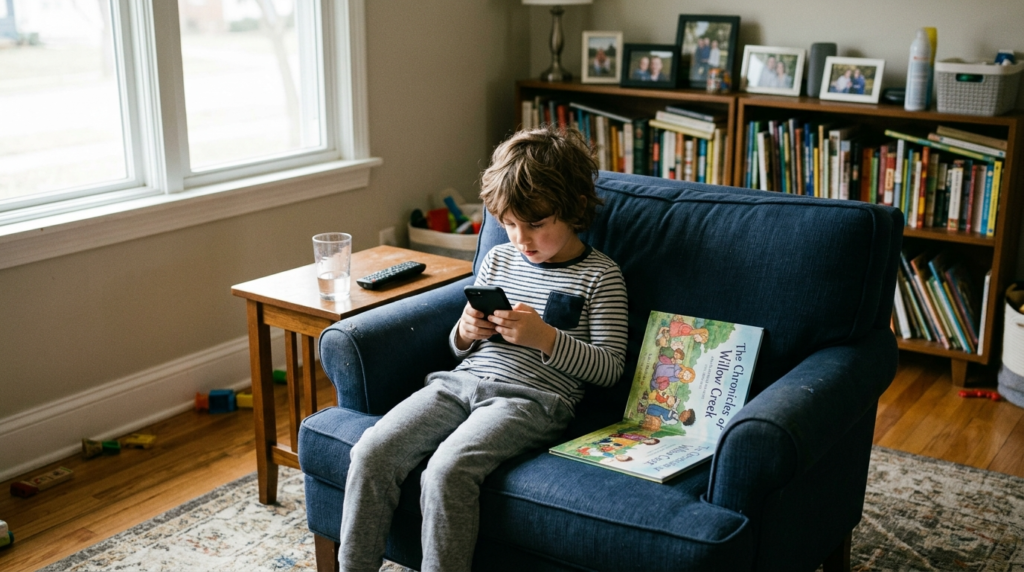
Boredom once drove people to open books. Now every quiet moment gets broken by a buzzing screen. Pages turn less often when alerts never stop arriving.
Blaming Schools
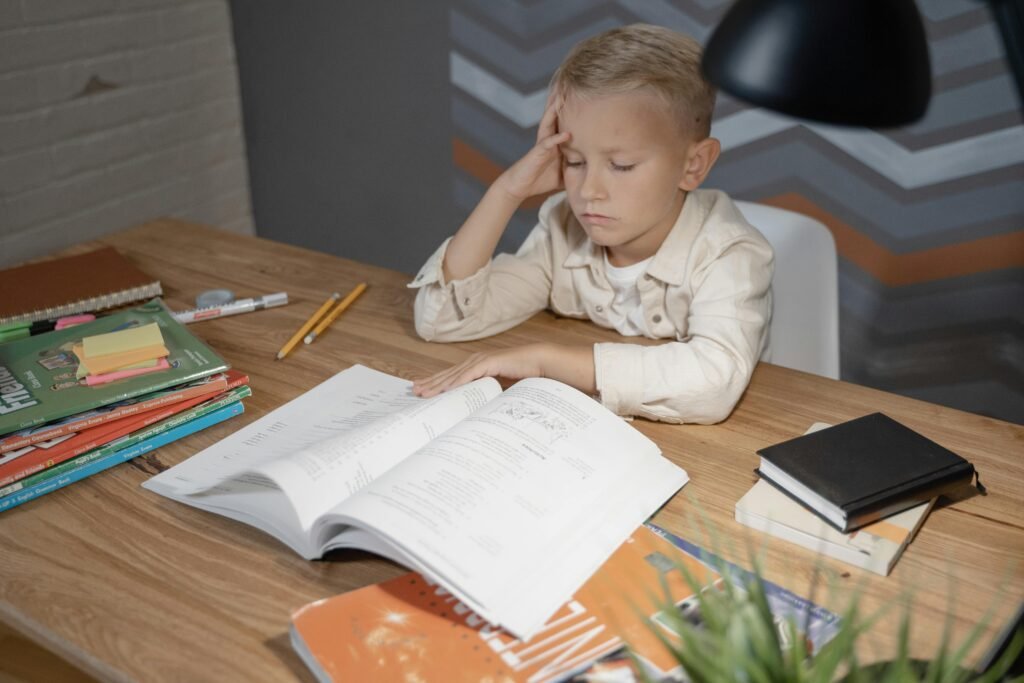
It’s easy to blame schools, but children spend only a fraction of their day in classrooms. Learning continues beyond those walls — and what kids do after lessons shapes their habits deeply. Home routines matter as much as classroom hours.
Short Content Habit
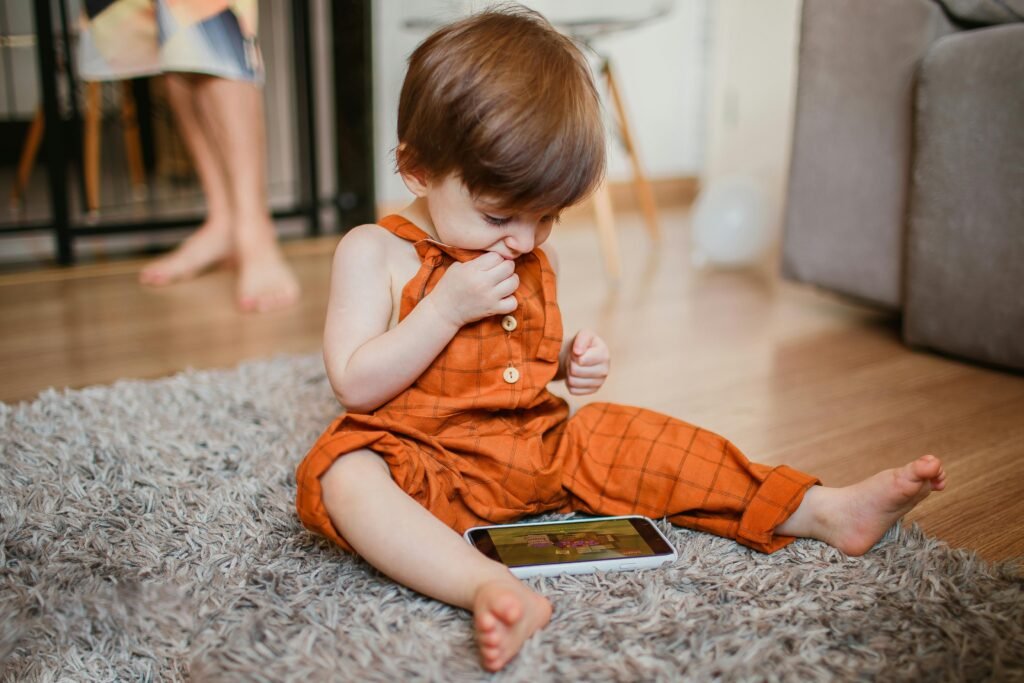
Short-form content now fills most of people’s minutes: scrolling clips, quick posts, rapid updates. Meanwhile, books stack up untouched. Slower, longer reading keeps losing ground to faster formats.
Busy Professionals

Deep reading is slipping away even among educated professionals. Skimming takes over, guided by summaries and takeaways found with a scroll. Thoughtful long-form pages lose out when speed wins.
Empty Libraries

Libraries see fewer young visitors — but adults aren’t showing up much either. The decline isn’t a kid problem; it’s a society-wide shift in how leisure time gets spent.
Lifestyle Pressure
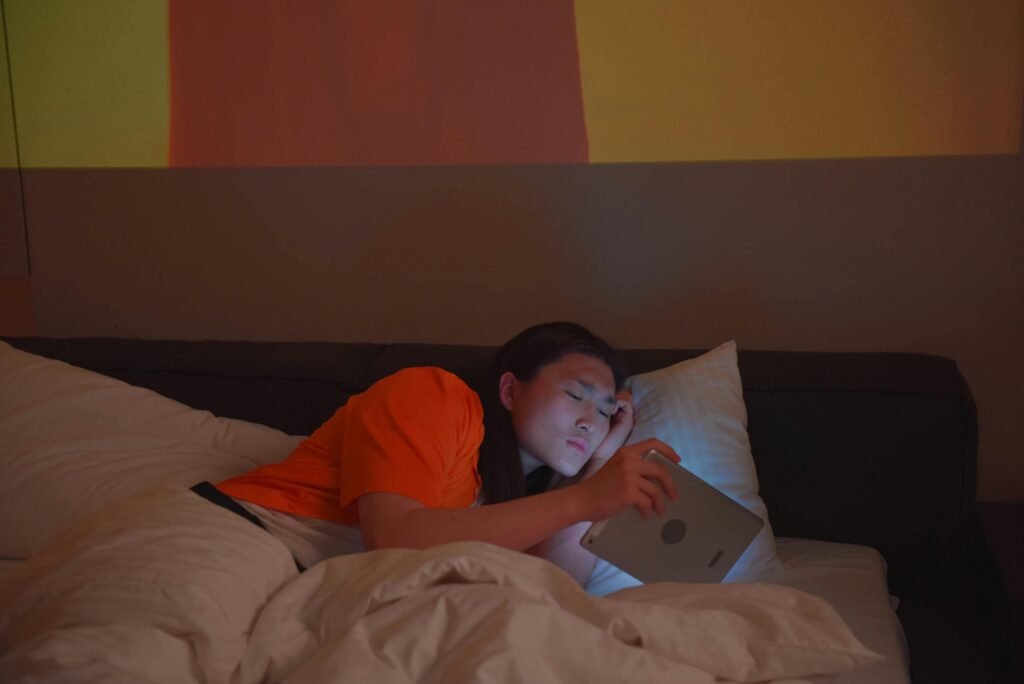
Concentration is hard to come by these days. Screens flash nonstop, work stretches long, and the quiet effort books demand feels out of reach. Technology plays a part — but lives simply move too fast.
Teachers vs. Screens
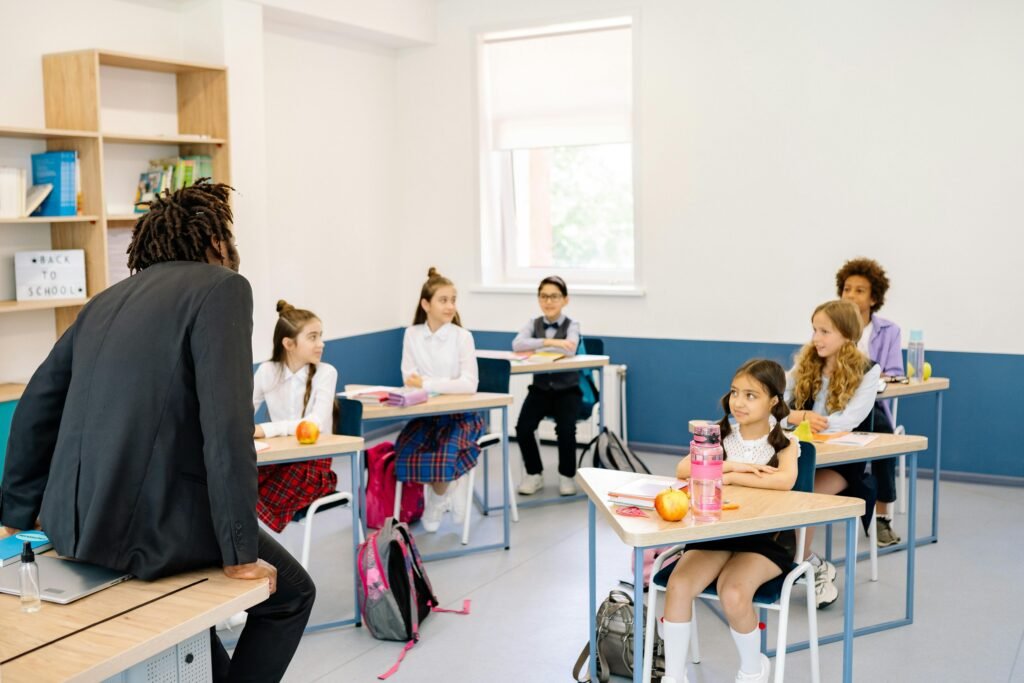
Teachers still fight for reading: book talks, reading challenges, classroom libraries. But they compete against an attention economy designed to keep every pair of eyes on a screen. Focus slips even when good stories are right there.
The Real Question
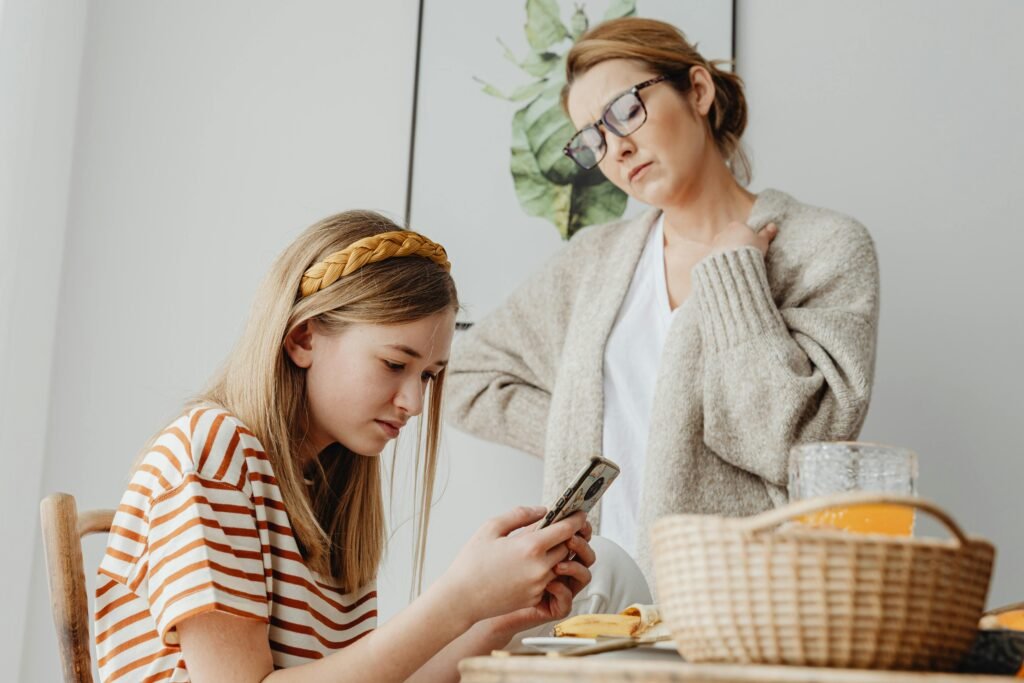
Maybe the debate misses the point. Instead of asking why children don’t read, the sharper question is when adults stopped. How long has it been since most parents finished a novel? Kids may simply be following the example set for them.
