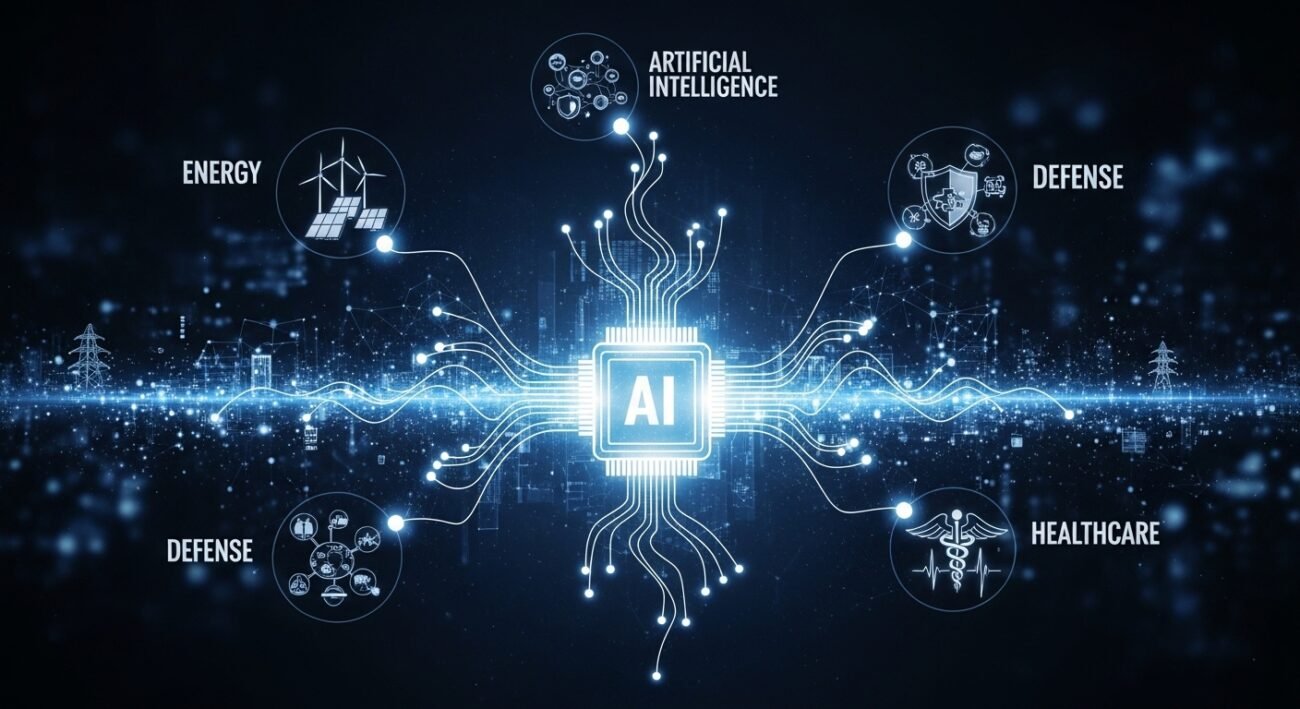
The U.S. startup ecosystem has moved from experimentation to execution. Artificial intelligence remains the dominant force, now driving rapid growth across energy, defense, healthcare, and more. Here are the industries where startups are scaling fastest.
1. Vertical AI and Industry-Specific Agents
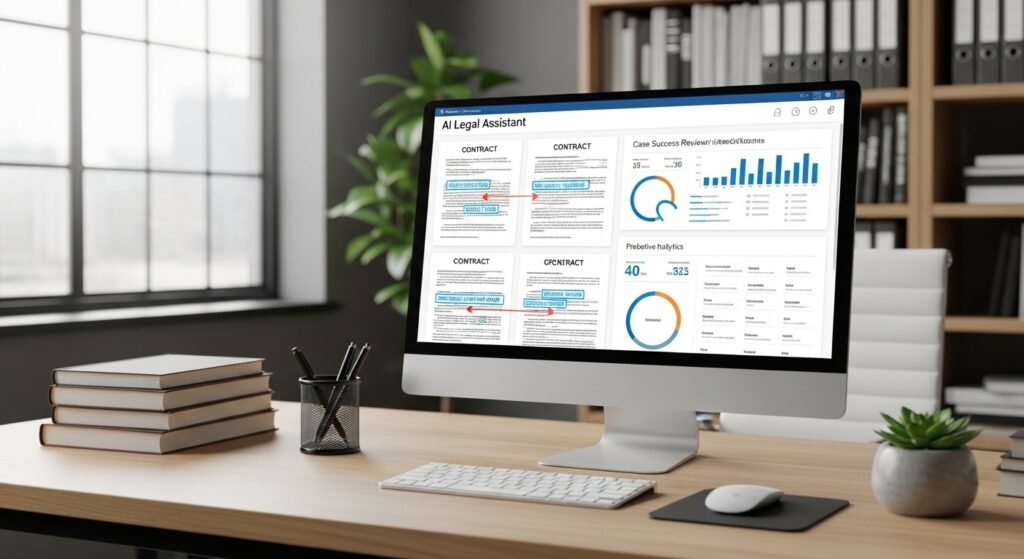
Startups have moved past general chatbots to vertical AI: specialized agents that do one job well, like an AI legal clerk, AI accountant, or AI supply chain architect. Winners tame the unstructured data buried inside traditional industries.
2. Clean Energy Infrastructure and Storage
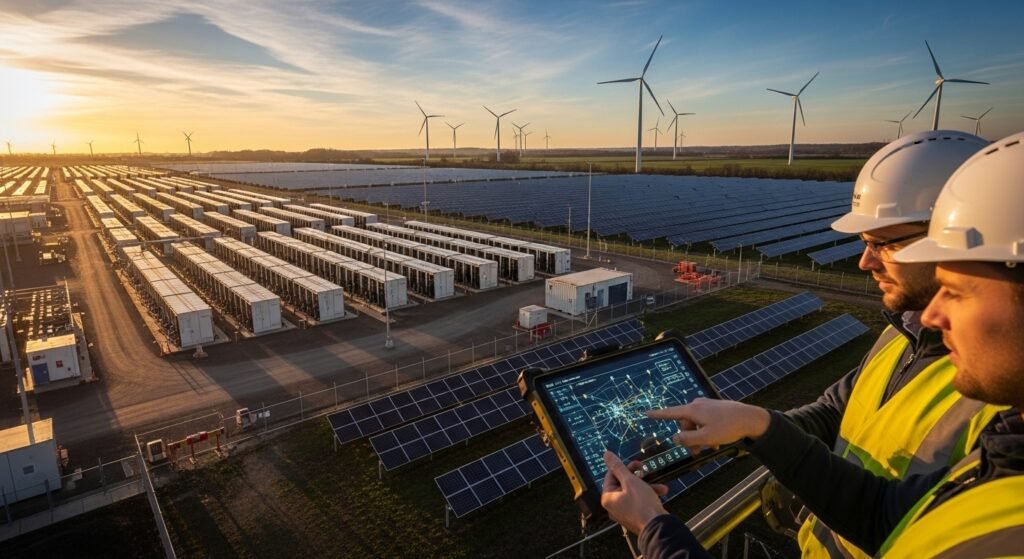
Data centers are hungry for power, fueling demand for clean energy. Startups have expanded beyond solar panels into grid-scale battery storage and software that manages volatile energy flows, protecting the grid during the AI boom.
3. Cybersecurity for the Agentic Era

Autonomous AI agents create new security risks as they act on behalf of companies. Startups are building AI guardrails: identity management for non-human workers and defenses against AI-generated fraud.
4. Autonomous Underwater Vehicles (AUVs)
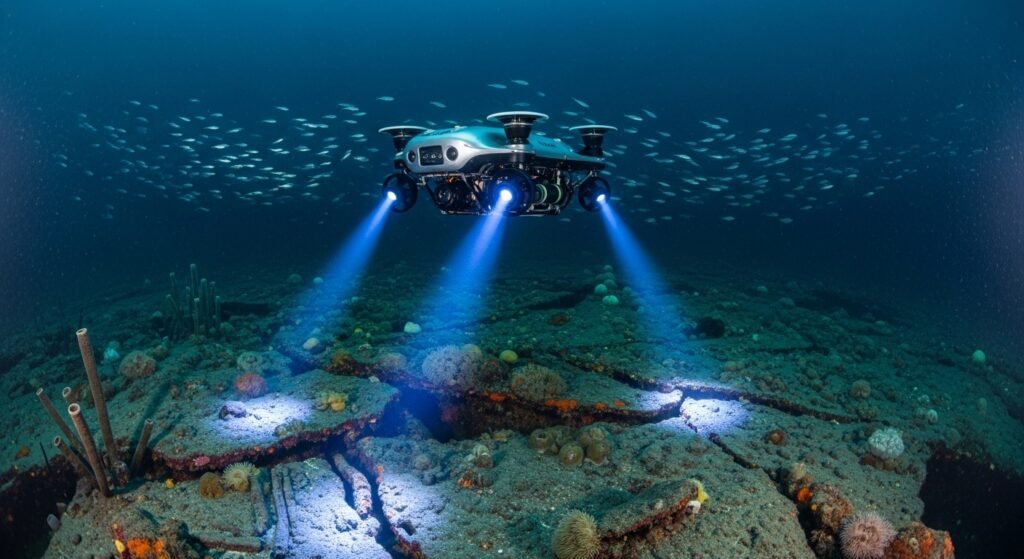
The AUV industry is growing fast on Department of Defense contracts and commercial demand for seafloor mapping. Ocean drones protect undersea internet cables and scout for minerals.
5. Bio-Tech for Precision Medicine

AI and genomics have converged. Startups can now analyze millions of genetic variants in seconds, spawning companies that deliver personalized cancer therapies and nutrition plans based on individual DNA.
6. Defense-Tech and Dual-Use Robotics
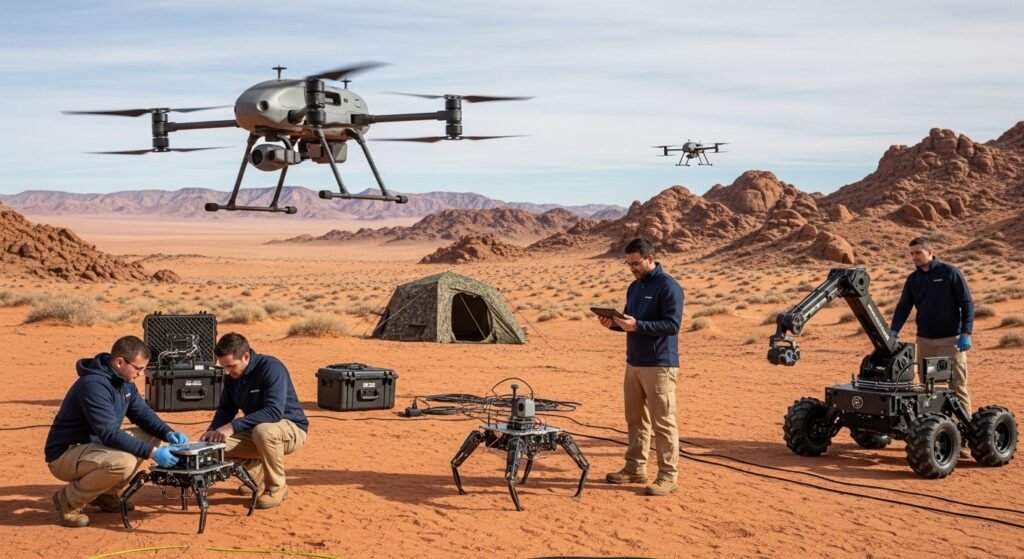
The Silicon Valley-Pentagon connection is stronger than ever. Startups build dual-use hardware like drones and rugged sensors that serve both commercial delivery and military missions.
7. Space Economy and Satellite Logistics

Growth now extends beyond rocket launches into satellite logistics. Startups work on satellite-to-phone links, space debris cleanup, and in-orbit manufacturing of materials impossible to make on Earth.
8. Reshoring and Advanced Manufacturing
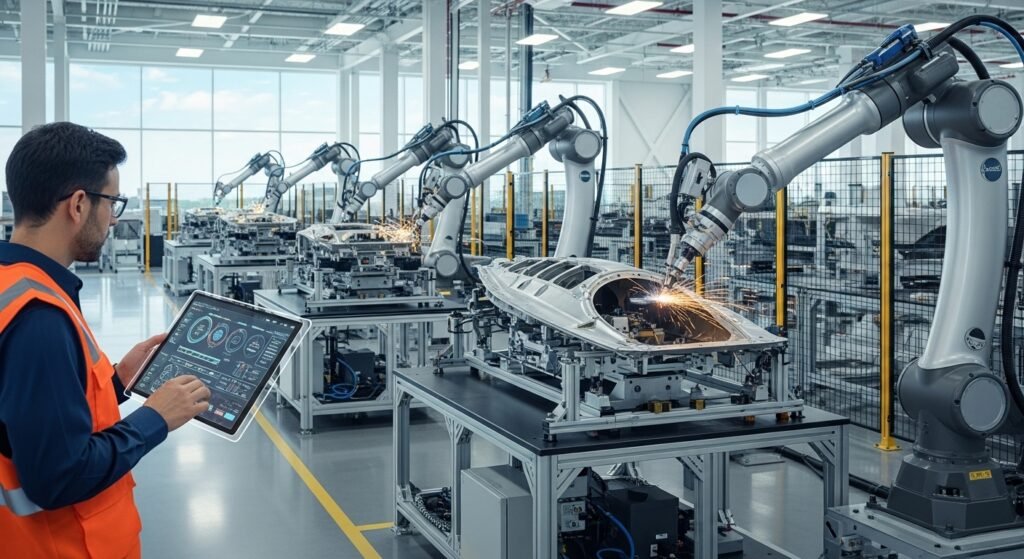
Startups are giving new U.S. factories their brains. 3D printing for aerospace parts and AI-powered robotics are helping American manufacturing compete with low-cost overseas labor.
9. Fintech Infrastructure and Stablecoins

Fintech’s second wave is about infrastructure, not new banking apps. Startups are building blockchain settlement layers where stablecoins enable instant, nearly free international payments that bypass traditional banks.
10. EdTech for Vocational Upskilling
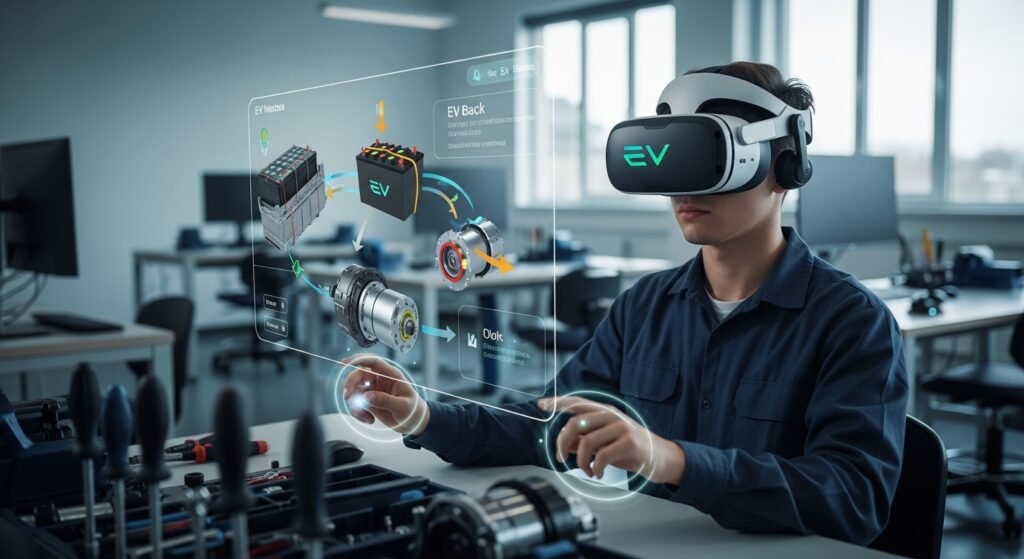
AI is disrupting jobs, creating urgent demand for retraining. Startups are launching VR-based vocational schools with AI tutors that teach skills like EV maintenance and semiconductor manufacturing in months. The common thread is AI applied to the physical world: energy, oceans, space, factories, and bodies. Founders who master that intersection are building the fastest-growing companies in America.
