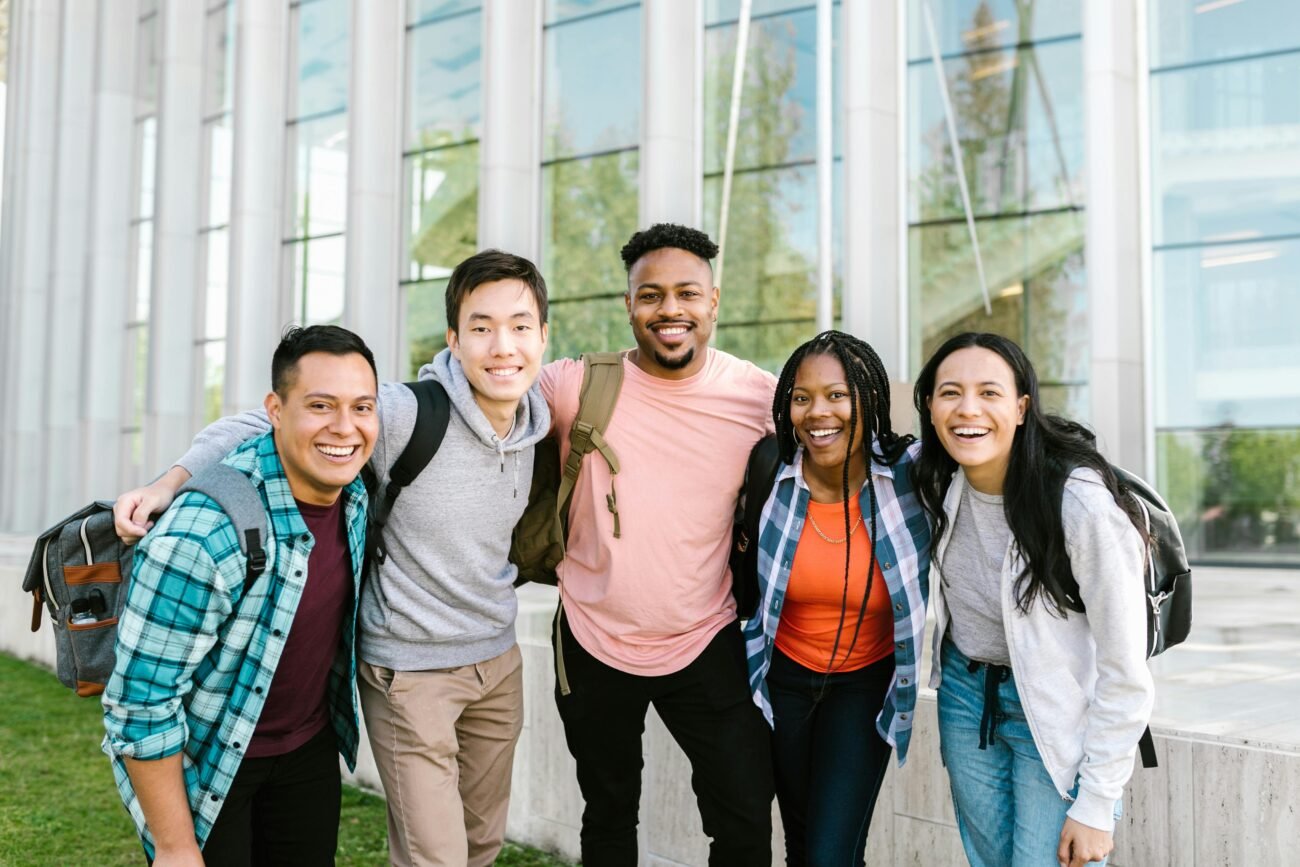
What once sounded like science-fiction chatter now hums through campus hallways. Inside classrooms, students are shifting gears — curious, cautious, recalibrating. Majors once considered safe harbor are giving way to code, data, and logic. It isn’t panic driving the change so much as quiet awareness: the job market they will graduate into is being reshaped by artificial intelligence, and students want degrees that hold up.
The AI Wake-Up Call
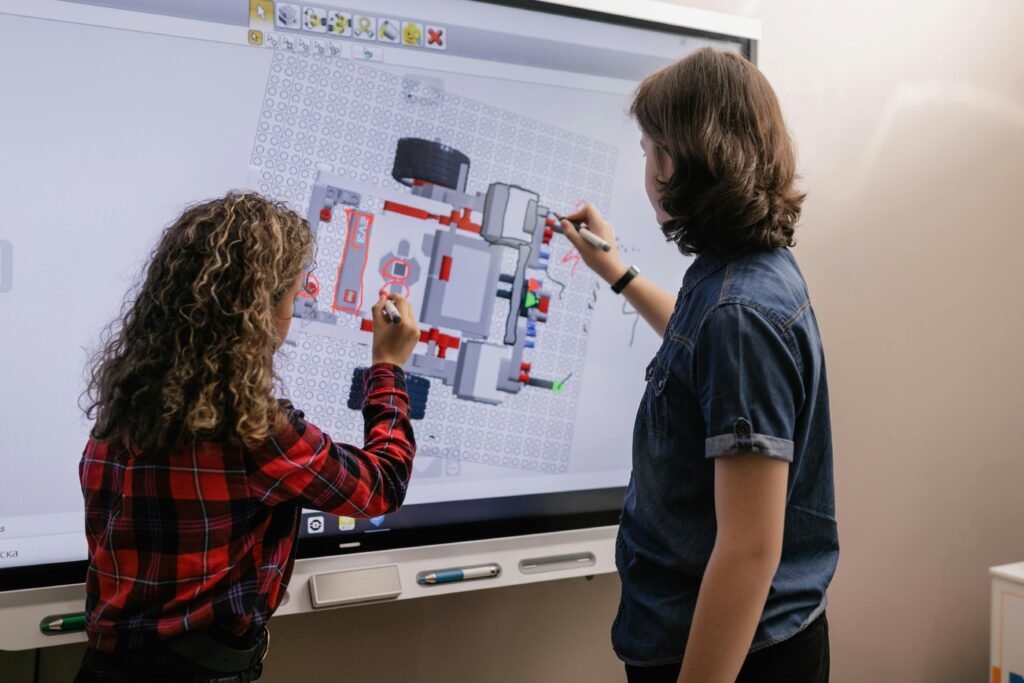
The realization hits when students watch AI do work only people used to do — drafting essays, writing code, analyzing data, designing graphics. Seeing machines handle tasks they expected to be paid for makes many students wonder whether their chosen field will still make sense years from now.
Leaving “Safe” Majors

Degrees that once felt secure now face fresh doubts. Marketing students watch AI generate campaigns; business majors narrow their focus to stay competitive; even computer science students feel pressure to go deeper than general coding. The old rules about which degrees guarantee jobs are shifting.
Moving Into Technology Areas

The clearest response is a move toward fields tied to artificial intelligence itself — data science, machine learning, cybersecurity, and related programs. Students see these areas holding value because they train people to build and manage the technology rather than compete with it.
Fear of Automation

For some students, the driver is unease. As graduation nears, the concern grows: will entry-level roles in their field still exist, or will AI have absorbed the junior work that used to be their on-ramp?
Curiosity Over Fear

Others are driven by fascination rather than fright. They see artificial intelligence not as a threat but as an invitation — something they can learn to shape instead of merely facing. These students add AI skills to whatever field they love.
Hybrid Majors Emerging

Campuses are responding with hybrid paths — programs that combine AI with medicine, business, psychology, or the arts. Instead of choosing one lane, students build technical ability alongside deep human understanding, betting that the combination is harder to automate.
Professors See Changes
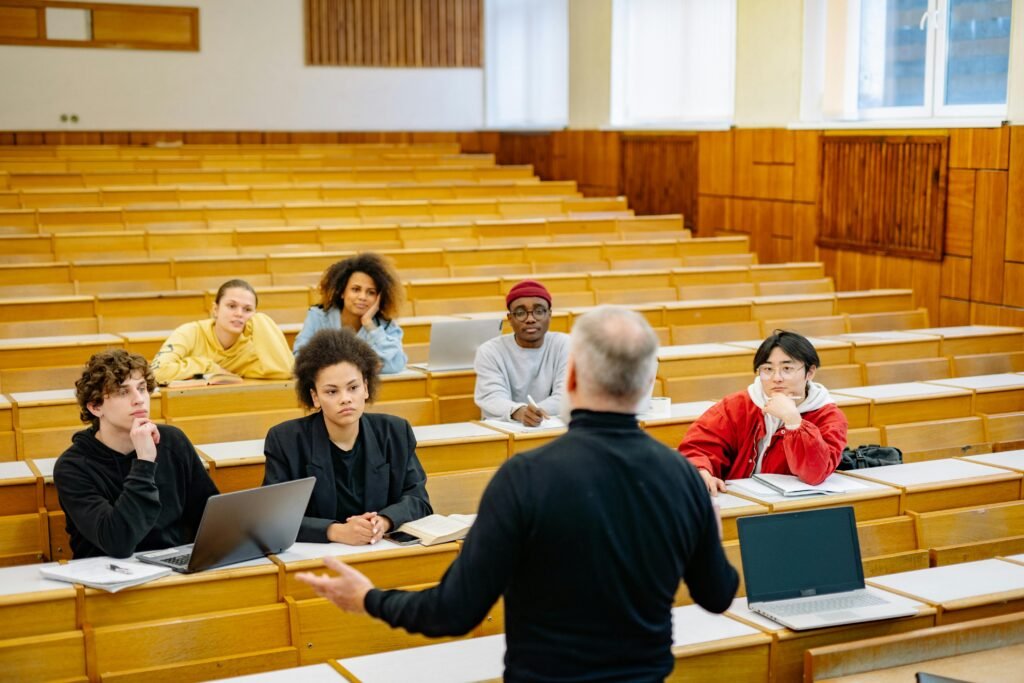
Faculty report that office-hour conversations have changed: more students ask how AI will shift career paths, and major-selection talks drift toward which tasks machines are likely to take over. Career planning now includes a technology forecast.
Skills Over Degrees

For a growing number of students, education means demonstrable skills, not just a diploma. Hands-on abilities — programming, data analysis, AI literacy — carry weight with employers alongside, and sometimes ahead of, the degree itself.
Creative Fields Reconsidered

Arts students face their own reckoning as AI composes music, generates images, and drafts stories. The conversation has shifted from whether machines can create to what human creativity is worth — and which creative roles remain distinctly human.
Preparing When You Can’t Predict What Comes Next
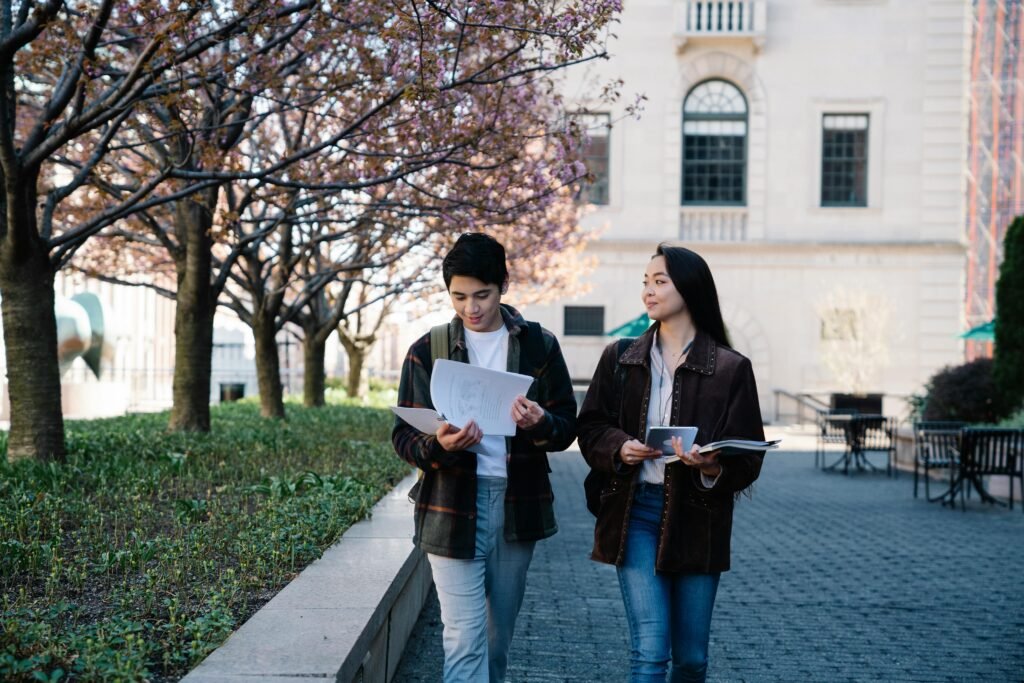
The deepest shift is in how students think about the choice itself. With technology reshaping work in unpredictable ways, picking a major feels less like signing a contract and more like building adaptability. The goal is no longer the perfect prediction — it’s staying flexible enough to adjust when the prediction changes.
