
Across the country, people are turning spare-time projects into real businesses, one step at a time. A side gig — crafting goods, consulting remotely, running an online shop — often grows into something bigger than expected. With living costs rising and online tools within reach, more workers are building income beyond the nine-to-five. But going from side income to full-time venture rarely happens overnight. Ideas get tested, audiences grow slowly, and success comes from persistence and good decisions rather than luck.
The Spark of an Idea

Side hustles usually start with curiosity rather than a business plan — a hobby, a talent, a skill friends keep asking about. Photography, coding, fitness coaching, baking: what feels like play today can become work tomorrow simply because it began with genuine interest.
Testing the Market

Before going further, smart hustlers test whether anyone will pay. Selling to the first few customers reveals what matters most: price points, real demand, and whether the idea survives once friends-and-family support runs out.
Starting Small

The founders who started small and won kept their costs low while they learned. Digital storefronts, freelance platforms, and social media let creators test ideas without big upfront investment — keeping cash burn low while the concept proves itself.
Building an Audience

Growth follows trust. Reaching customers nationwide is easier than ever through social platforms and online marketplaces — no physical shop required. An audience that trusts you becomes the foundation the business stands on.
The Moment It Feels Real

There’s a point when the side income becomes steady enough to imagine a bigger future — when the hustle starts backing up, or even rivaling, the main paycheck. That’s the moment most people start asking whether the leap is possible.
Understanding How Businesses Work

Turning a hobby into a business means learning things that never mattered before: pricing, taxes, marketing, bookkeeping, and customer service. The unglamorous admin work is what separates a business from a hobby.
Managing the Risk

Some people quit their jobs to chase the venture full-time; others grow it slowly alongside steady employment, letting go only when the business income reliably covers expenses. There’s no single right path — the safer route is building a financial cushion before the leap.
Technology Makes It Simpler
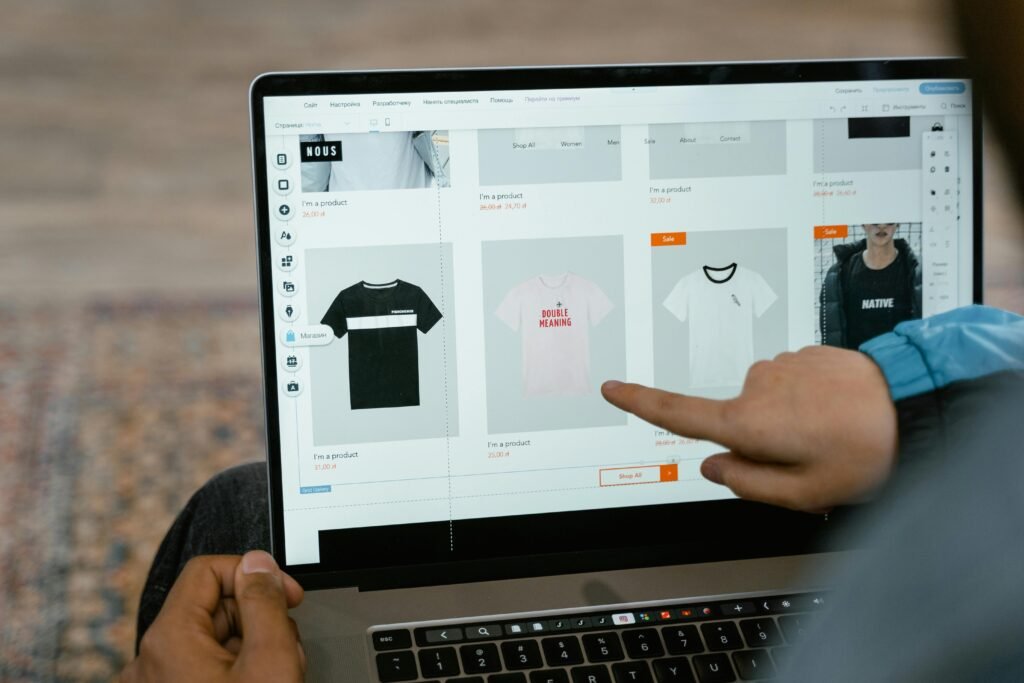
Today’s tools remove hurdles that once stopped small players: online payment processing, website builders, and digital marketing let a one-person operation run like a bigger company. The technical barriers to starting have never been lower.
Passion Meets Discipline

Enthusiasm starts the hustle, but discipline sustains it. The founders who succeed treat their side project like it already counts — showing up consistently, tracking numbers, and doing the boring work — long before anyone else takes it seriously.
The New Way to Start a Business

Far from boardrooms, a quiet shift is unfolding at kitchen tables and secondhand desks. Ideas come alive during late-night hours, fueled by curiosity as much as cash. The modern business doesn’t start with an office and a loan — it starts with a laptop and a customer.
