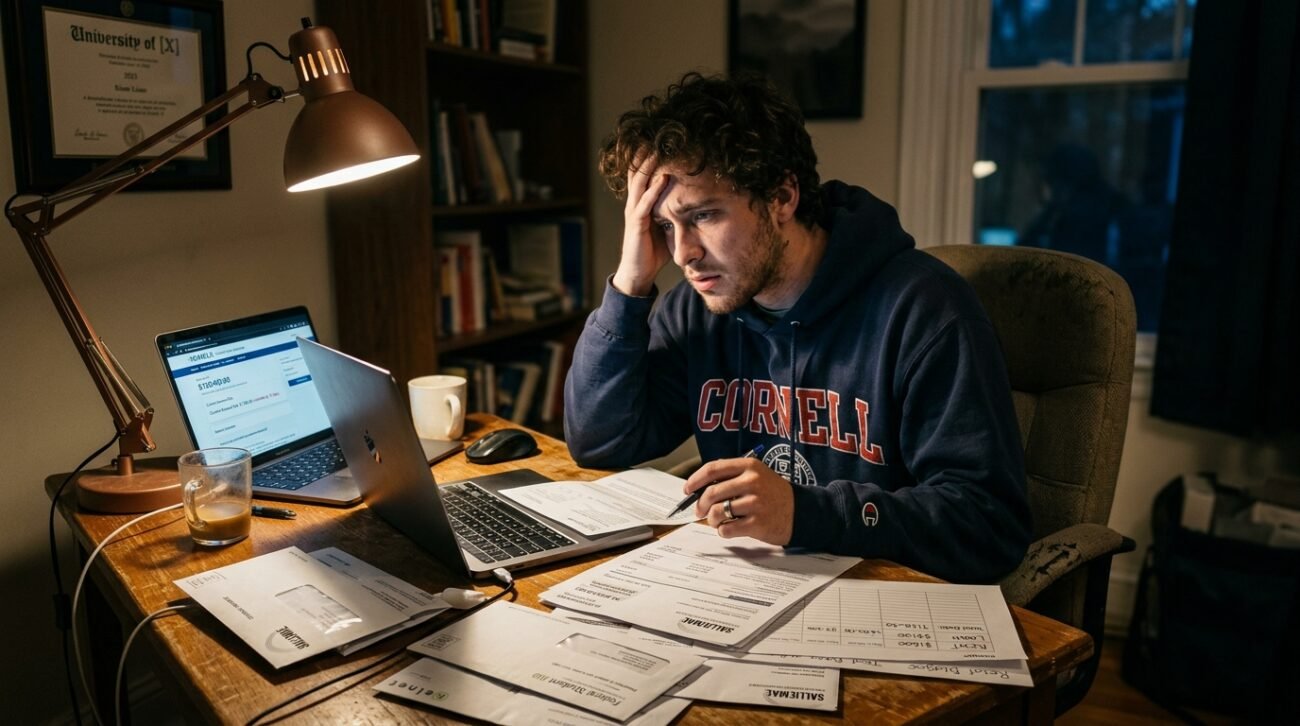
For years, Americans heard a simple story: go to college, work hard, and financial stability is guaranteed. Generations were built on that belief. Today, the reality looks far less certain. Millions of students take on debt — often tens of thousands of dollars — before they ever receive their first paycheck. What was once considered a brilliant investment is starting to look like a risky gamble. The question isn’t just whether college still pays off, but whether the system itself is quietly trapping young Americans in long-term financial strain before their lives have even begun.
The Price Explosion
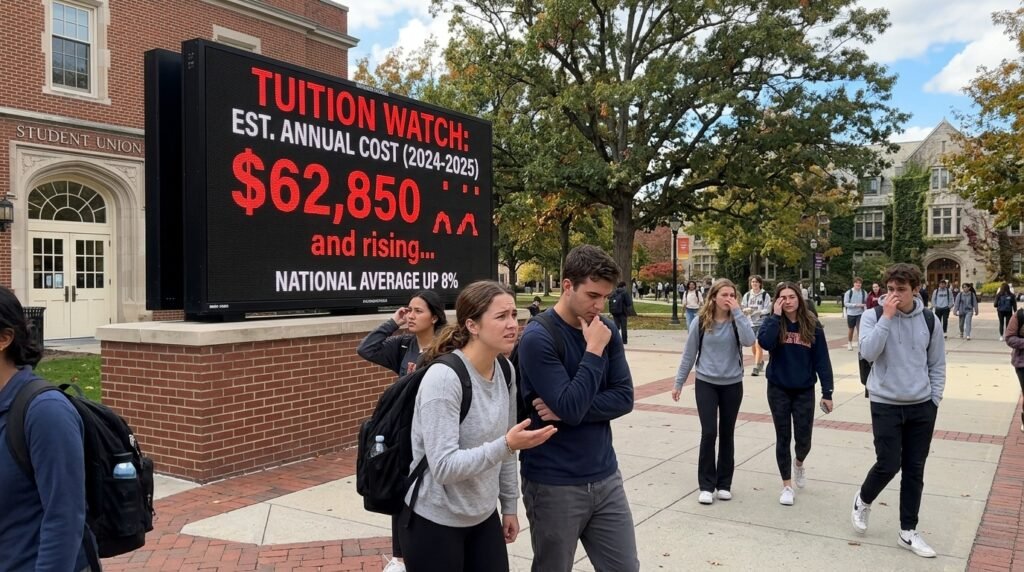
College tuition hasn’t just increased — it has outpaced inflation, turning higher education into something closer to a luxury item than a public right.
Borrowing as a Default

For many students, taking out a loan is no longer a decision — it’s simply the price of admission.
Degrees Losing Power

A diploma no longer guarantees a stable job. Many graduates end up underemployed in roles that hardly justify their tuition bills.
The Interest Trap
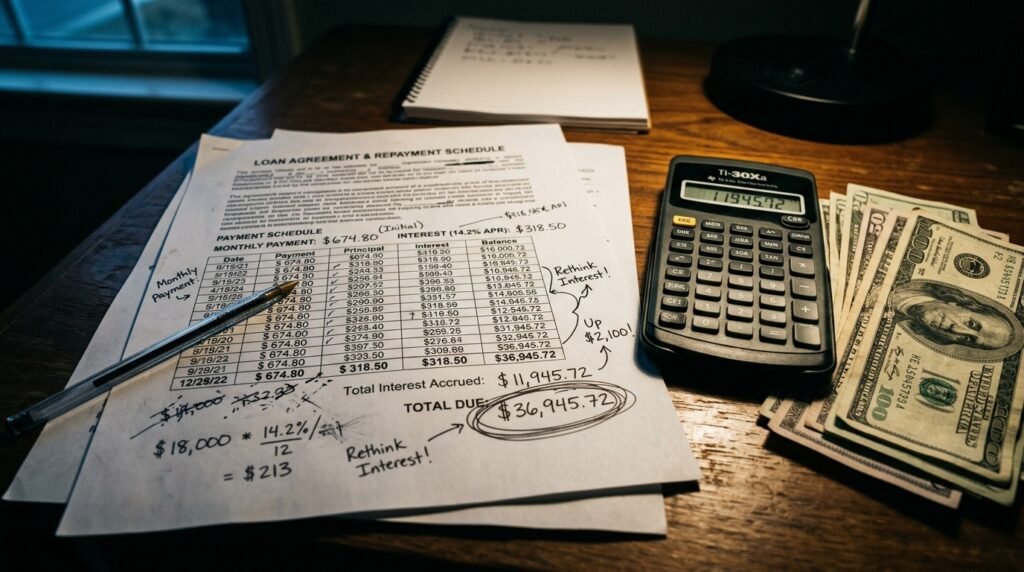
Student debt quietly grows over time. What looks like a manageable sum can balloon, stretching repayment into decades.
Middle-Class Pressure

Middle-income families earn too much to qualify for generous aid but too little to pay out of pocket — ending up with financial choices that carry lasting consequences.
Life on Hold

Buying a home, starting a family, even saving money — all get postponed, not by choice, but by the weight of monthly loan payments.
Mental Weight

Debt doesn’t just affect bank accounts. It shapes decisions, discourages risk-taking, and creates a background hum of constant stress.
Shifting Alternatives

Online learning, certifications, and skill-based hiring are challenging the assumption that a four-year degree is the only path to success.
A System on Debt
Critics argue the model runs on borrowing. With loans readily available, institutions face little pressure to keep costs down.
Follow the Money

While students struggle to keep up, universities expand and lenders profit — raising the larger question of who the system really serves.
