
Artificial Intelligence is no longer a futuristic concept reserved for tech giants — it’s quietly entering the daily operations of small businesses around the world. From local shops to solo online sellers, AI is changing how work gets done, often faster than people can adapt. Some celebrate the change as innovation; others see a silent takeover that threatens jobs, creativity, and human judgment. The truth sits somewhere between the extremes: AI is not only helping small businesses grow, it’s forcing them to rethink survival, identity, and ethics in a fast-moving digital economy.
Automation Overload

Everything is being automated in small businesses, from customer responses to bookkeeping. It’s a genuine efficiency boost — but it raises a question: are owners trading authenticity for convenience? Customers can usually feel when the human touch is gone.
Hiring Fewer Humans

AI tools are quietly eliminating the need for entry-level workers. Tasks that interns or assistants once handled can now be done by software in minutes — and newcomers are finding it harder to get hired.
Marketing Without Originality

AI-generated ads, captions, and campaigns are everywhere. They’re competent but usually generic — and the risk of relying on machine-made ideas is that small brands lose their unique voice.
Data Becomes Power
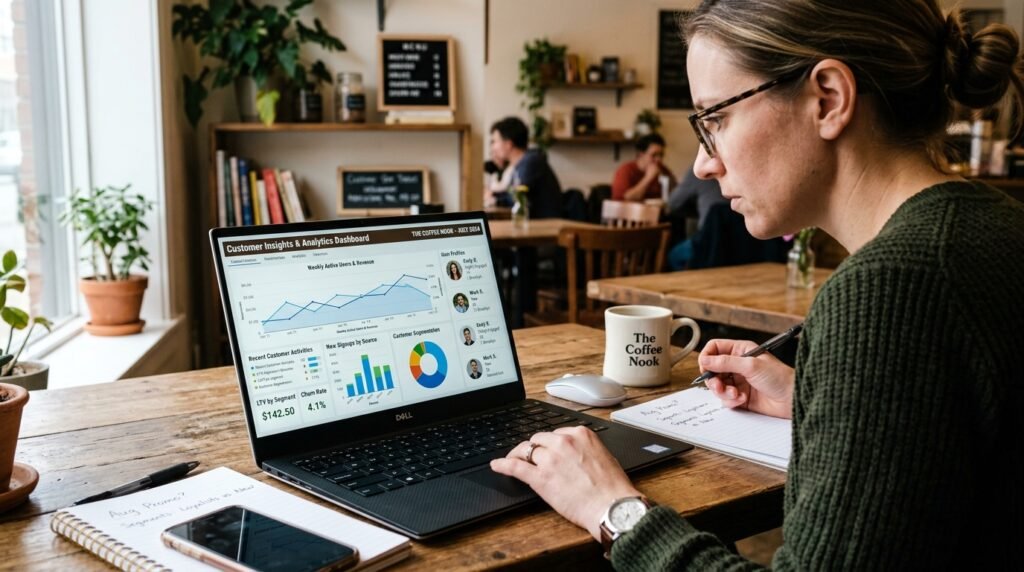
AI runs on data, and small businesses are collecting more customer information than ever. It raises uncomfortable moral questions — how much gathering is too much when customers don’t know about it?
Cost Cutting vs. Quality
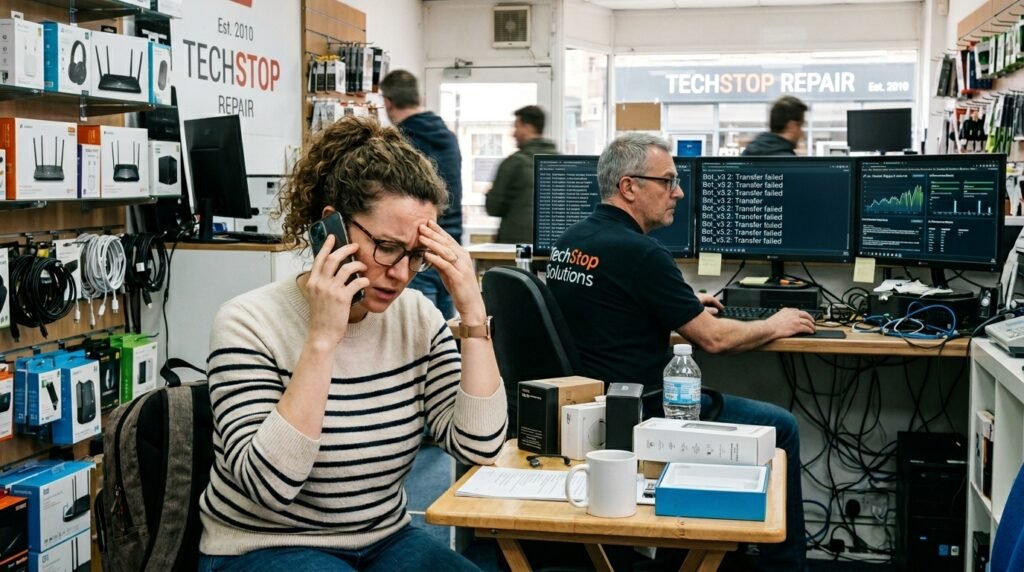
AI cuts operating costs dramatically, but sometimes at the expense of quality. Automated customer service, for instance, can frustrate people who genuinely need a human’s attention.
The Illusion of Growth

AI tools can make a business look bigger and more efficient than it really is. That’s useful for competing with larger firms — but it sets expectations that may be hard to sustain.
Dependency Trap

More small firms are becoming over-reliant on AI platforms. Without backup plans, a business can collapse overnight if a tool fails, changes its pricing, or restricts access.
Global Competitiveness Gets Tougher
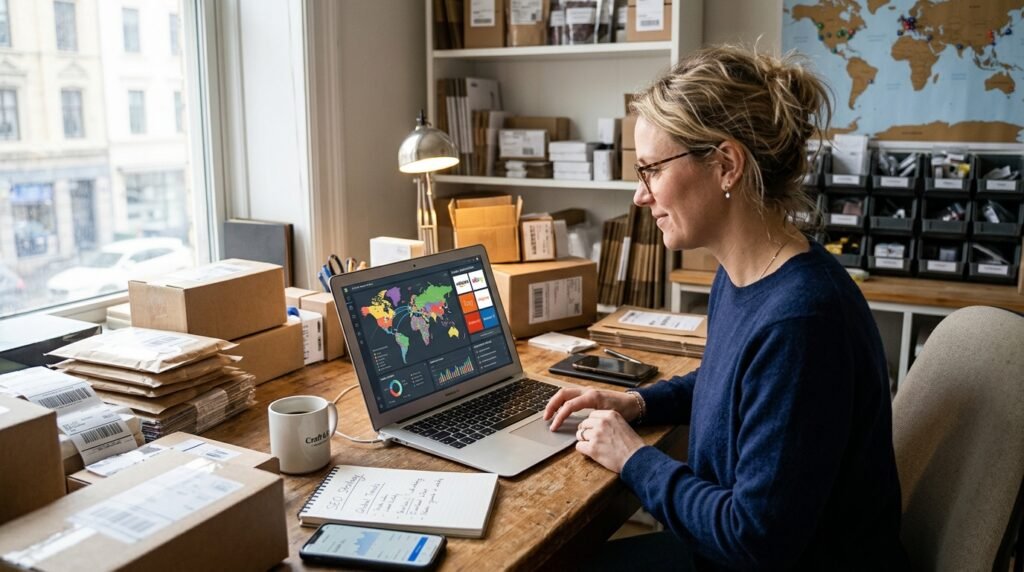
AI has leveled the global playing field: a small seller can now compete with businesses anywhere in the world. But that empowerment cuts both ways — it also means fiercer competition and thinner margins.
Ethical Dilemmas Rise

From deepfake marketing to deceptive automation, AI opens the door to questionable practices. Small businesses can feel pressured to cross ethical lines just to stay competitive.
Skill Shift Pressure

Business owners now have to master AI tools, analytics, and automation systems. Failing to adapt risks being left behind — and the gap between tech-savvy and traditional businesses keeps widening.
