
Grocery shopping used to feel simple. Grab a cart, pick a few essentials, and head to checkout. Lately, though, that final number on the receipt can feel like a surprise. Prices keep creeping up, and the cart fills faster than expected. The good news is that cutting your grocery bill does not mean compromising on the quality of your food. A few clever habits can make a big difference. Shop a little smarter, and you can lower your checkout total without changing much of what ends up on your table.
Plan Your Shopping Before You Go
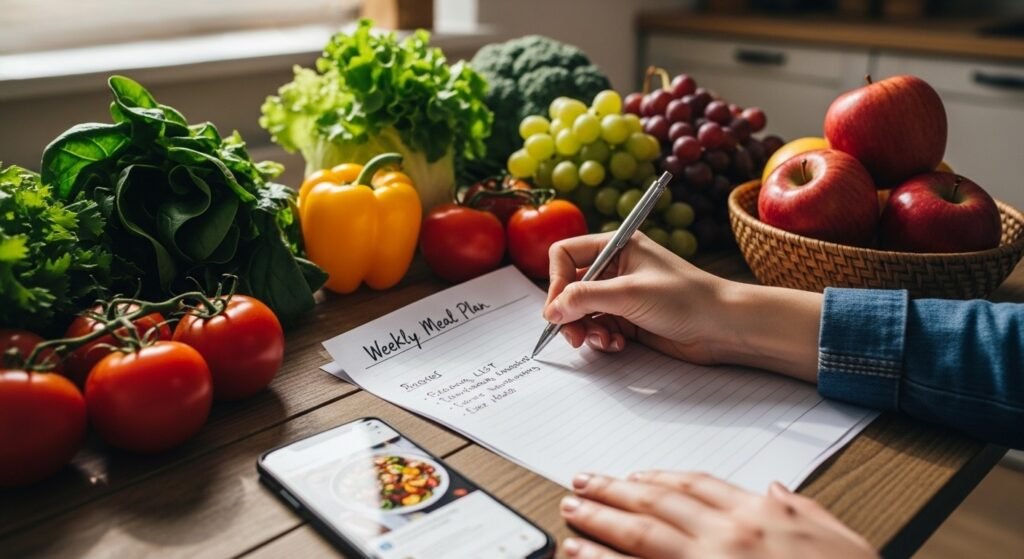
One of the easiest ways to overspend is walking into a grocery store without a plan. A basic shopping list keeps you on track and cuts impulse buying. It also keeps you focused on what you actually need. The list works even better when you plan your meals for the week.
Buy Store Brands Instead of Big Labels
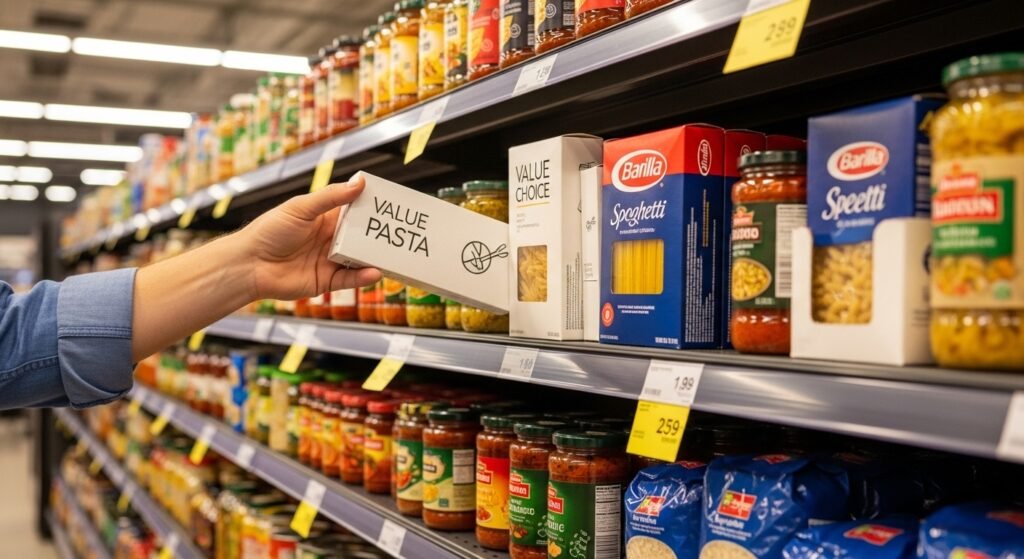
Many store brands match the quality of their big-name counterparts at a lower price. Grocery chains often have these products made in the same plants as big brands. The difference is usually just packaging and marketing. Trying store-brand products can save you real money.
Shop Seasonal Produce
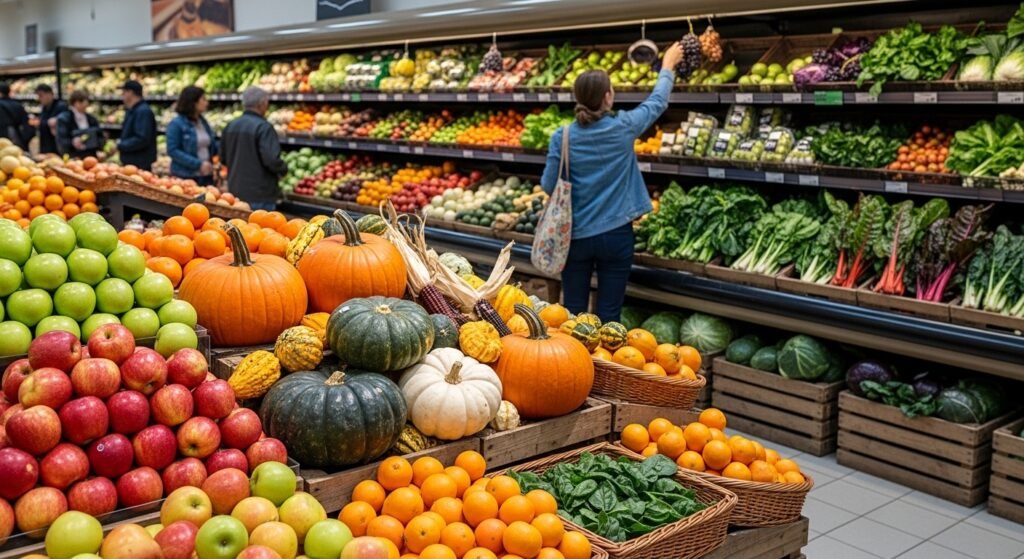
Fruits and vegetables cost less when they are in season. They are fresher and often tastier too. Stores can usually source seasonal produce locally, which lowers costs. Planning meals around what is in season is an easy way to cut grocery costs.
Avoid Shopping When Hungry

It sounds simple, but it matters. Hungry shoppers tend to grab snacks and extras. Most of those purchases were never on the list. Eating before you go leads to calmer, more sensible choices.
Use Loyalty Programs and Store Apps
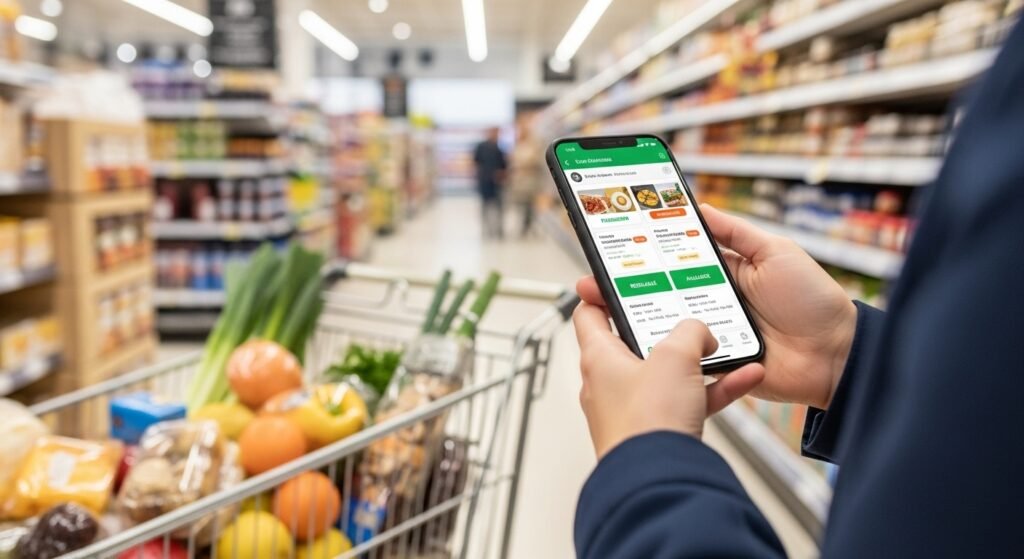
Most grocery stores now offer digital coupons, reward programs, and member deals. These small savings add up fast over several shopping trips. Store apps also highlight weekly deals you might otherwise miss.
Buy in Bulk for Frequently Used Items
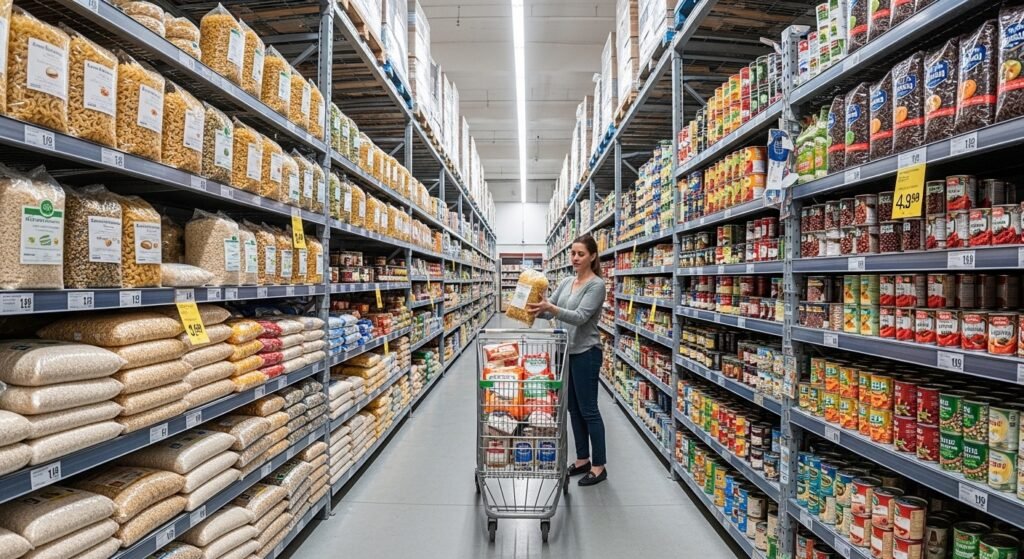
Staples like rice, pasta, oats, and canned goods are usually cheaper in bulk. Buying larger quantities lowers the price per serving. This works best for items your household uses regularly. Just make sure you will use everything before it expires.
Compare Price Per Unit
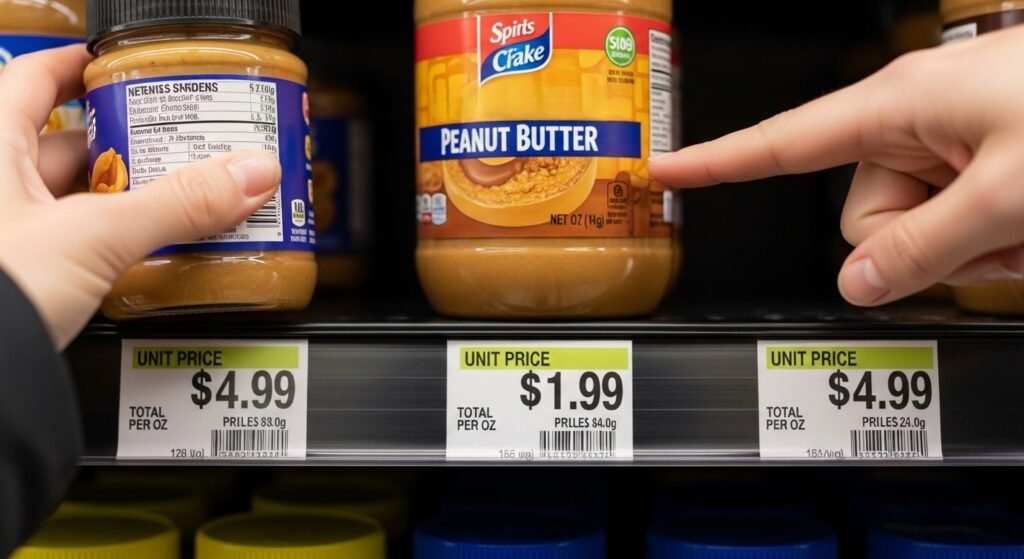
The shelf price does not tell the whole story. Most stores show the price per ounce, pound, or unit on the shelf label. This makes it easy to compare different package sizes. Sometimes the slightly bigger package is the better deal.
Reduce Food Waste at Home
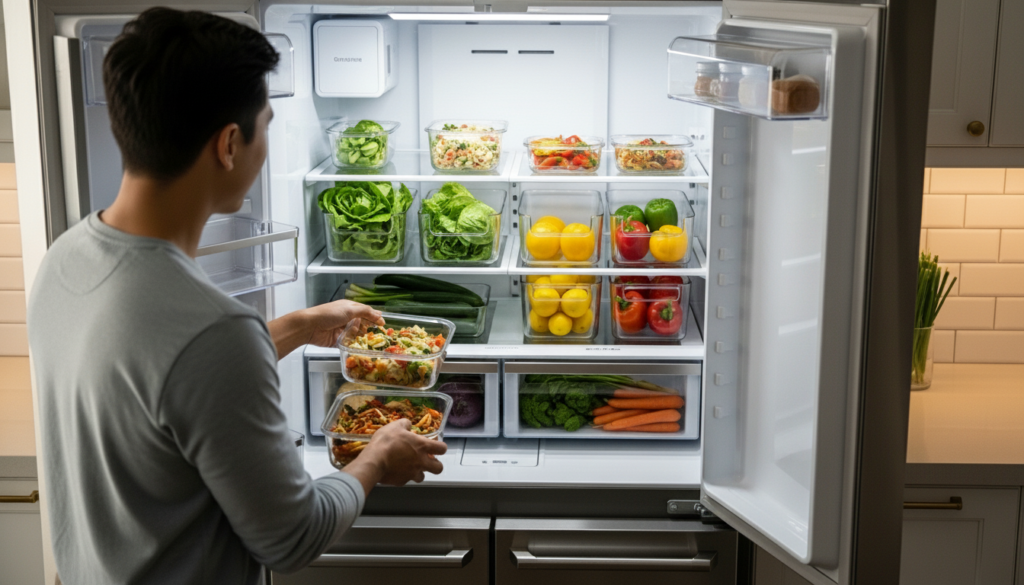
Wasted food is one of the biggest hidden grocery costs. Half-used items get forgotten in the fridge. Meal planning and proper storage help you waste less. There is no point buying more when you can use what you already have.
Cook More Meals at Home
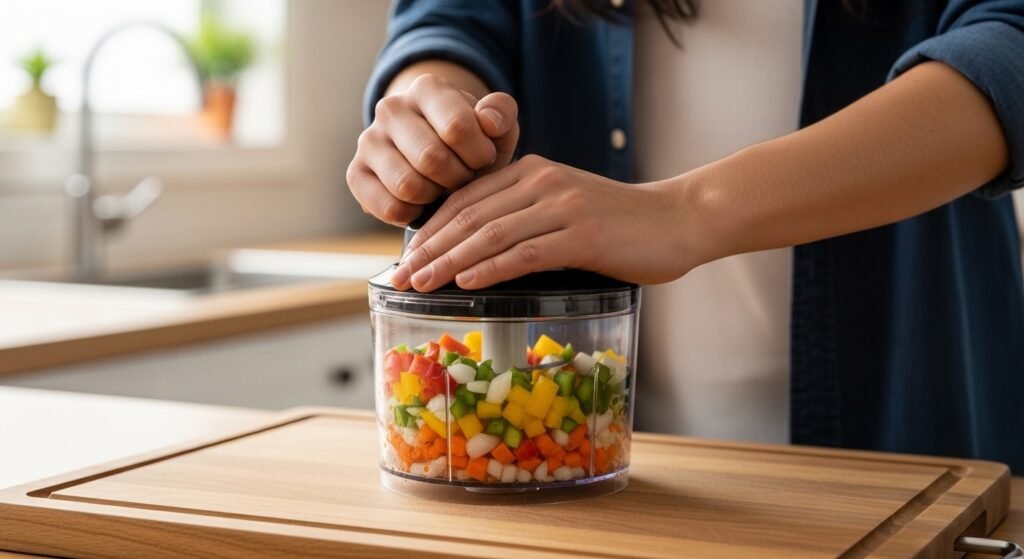
Ready-made meals cost far more than cooking from scratch. Cooking at home gives you control over quality and cost. Simple home-cooked meals can shrink a grocery budget fast.
Check Weekly Store Deals

Grocery stores rotate discounts every week to draw shoppers in. Watching these offers lowers your total without changing what you buy. One of the easiest ways to save is planning meals around what is on sale.
