
A credit card can be a pocket-sized financial superpower. One tap and the purchase is done: no cash, no hassle, sometimes even rewards. But behind that convenience sits a list of fees most people never notice. A few dollars here, a small charge there, and the statement suddenly weighs more than it should. The puzzling part is that most of these charges are not inevitable at all. Once you know where they hide, keeping your money from slipping away gets much easier.
Annual Fee
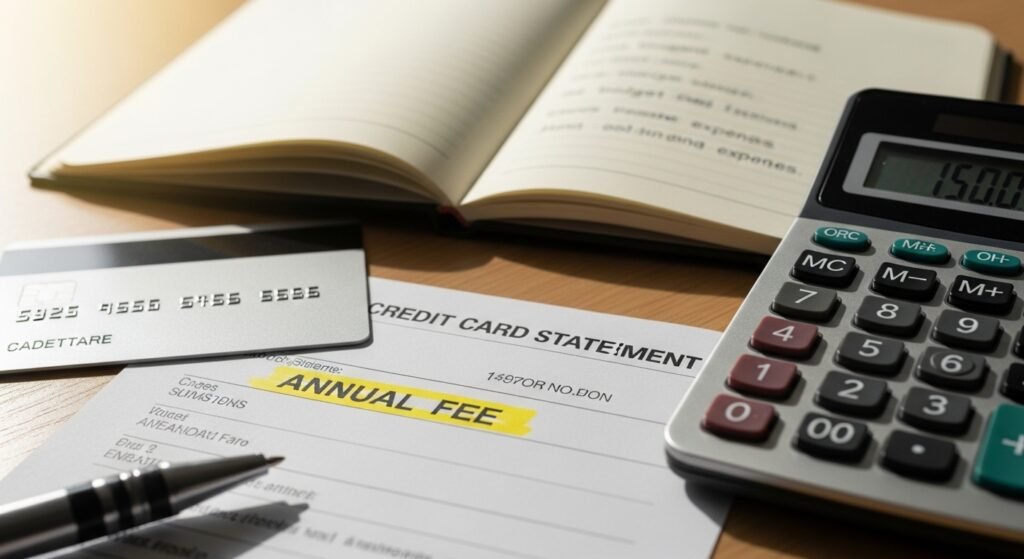
Some credit cards charge a fee just for keeping the account open. Premium cards usually offer travel benefits or reward programs in return. But if you rarely use the perks, the fee is wasted money. Many banks offer solid cards with no annual fee, and choosing one eliminates this expense entirely.
Late Payment Fee

Missing a payment deadline brings a swift penalty. Even a short delay can trigger a late fee from the issuer. Over time, repeated late payments can also damage your credit. Autopay or simple reminders make sure you never miss one.
Interest Charges
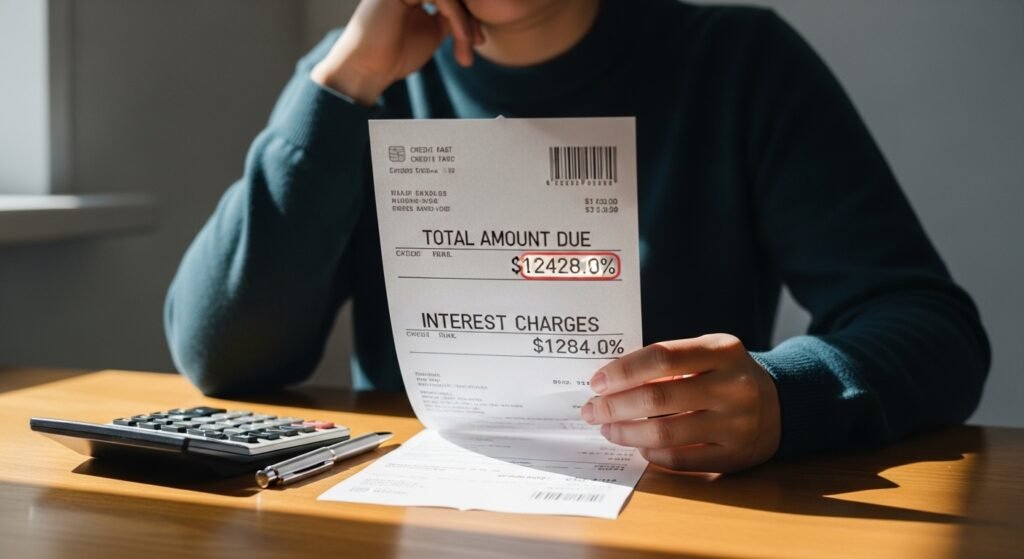
Carrying a balance month after month gets expensive. Credit card interest rates run far higher than most other loans, so a small unpaid amount can snowball fast. Paying the full balance every month avoids interest altogether.
Cash Advance Fee

Pulling cash from a credit card may look like an easy fix in a pinch, but it usually comes with an immediate fee, and interest starts accruing right away. That makes cash advances some of the most expensive card transactions. A debit card is generally the better choice.
Balance Transfer Fee
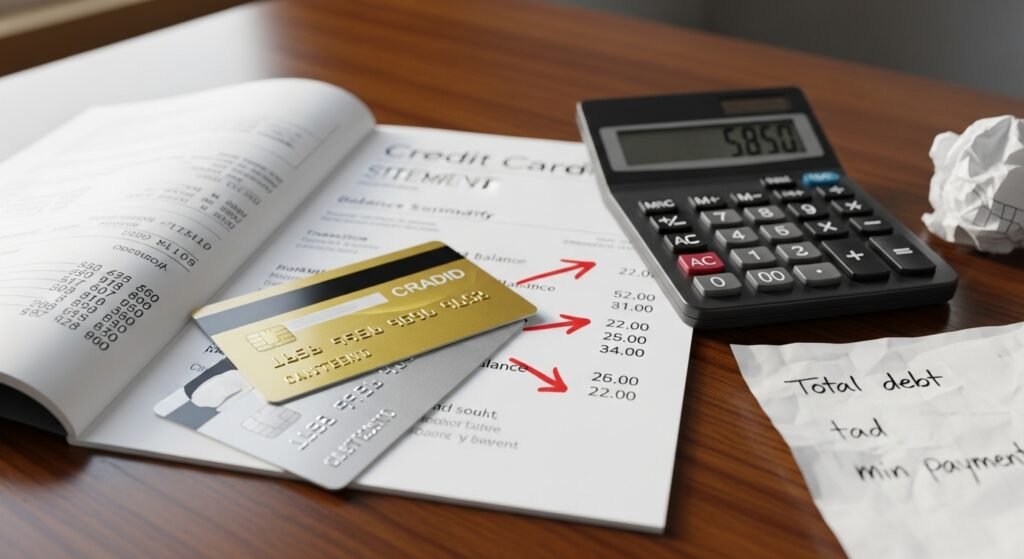
Moving debt to a card with a lower interest rate can save money, which is why many people use balance transfers. But the issuer will likely charge a percentage of the transferred amount. Running the numbers first ensures the transfer actually saves you money.
Foreign Transaction Fee

Using a credit card abroad adds a small percentage fee to every purchase. It looks minor at first, but after a few meals, rides, and small purchases, the extra cost adds up. Many travel cards waive this fee entirely.
Over-Limit Fee

Some credit cards let you spend a little beyond your approved limit, but a fee may land on your statement when you do. Going over the limit can also make lenders view you as riskier. Watching your available credit keeps this from happening.
Returned Payment Fee
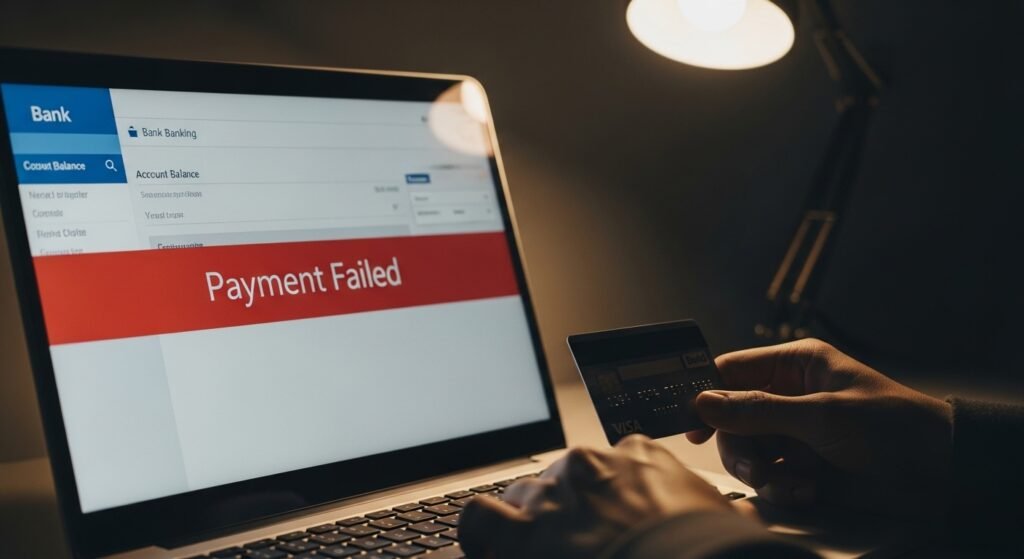
If a scheduled payment bounces for insufficient funds, a returned payment fee may follow. It works like a bounced check and usually happens when people lose track of their bank balance. Checking your balance before paying avoids the problem.
Paper Statement Fee

Most issuers now push customers toward digital statements, and some charge a small fee for mailing paper versions. It may be minor, but it adds up over time. Switching to online statements removes the cost and makes everything easier to track.
Expedited Payment Fee
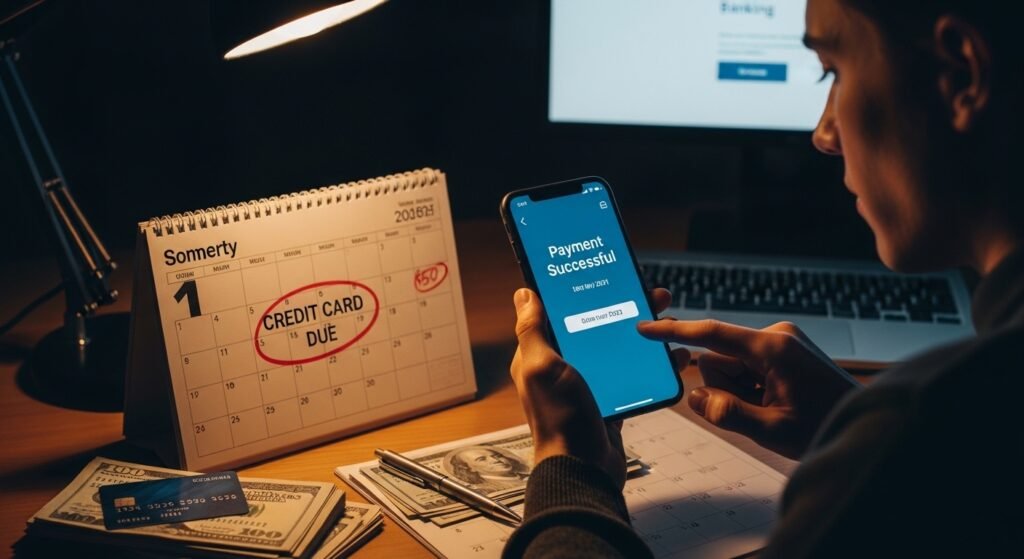
When a due date is near, some people pay extra to have a payment processed quickly and avoid being late. Card companies offer this rush service for a premium. Paying a few days early eliminates the need for it.
Card Replacement Fee

Losing a credit card can bring a replacement charge, especially if you need the new card rushed. The fee is not huge, but it is avoidable. Keeping your card safe and reporting a loss immediately prevents unnecessary spending.
Inactivity Fee
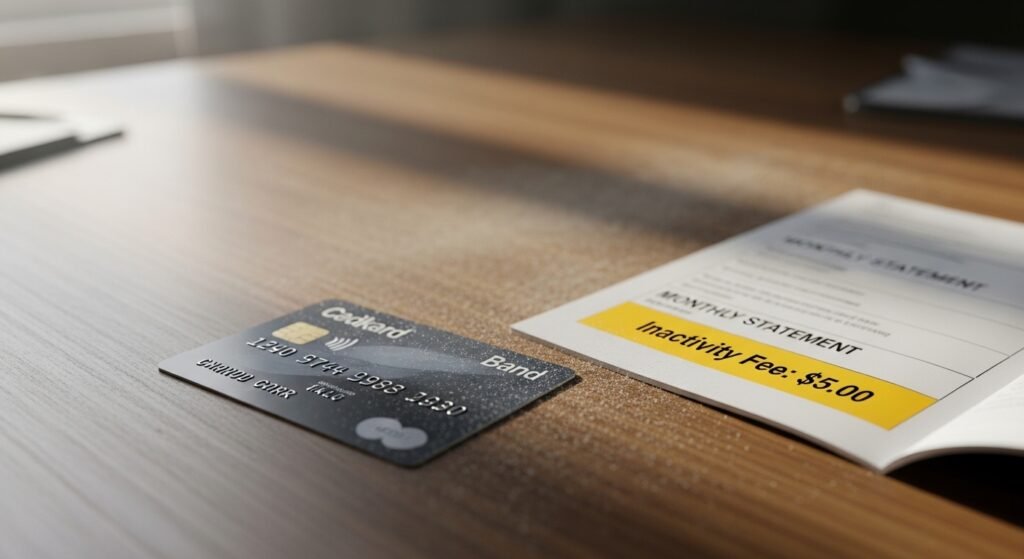
Some credit cards charge a small fee when the account sits unused for a long time. Making an occasional small purchase keeps the account active, and that simple habit keeps the fee away.
