
Plenty of Americans look successful on paper: steady jobs, decent salaries, the career path that was supposed to mean security. Yet financial stress persists anyway. Each month ends with barely anything saved, despite paychecks that would have seemed comfortable a generation ago. The uncomfortable truth is that higher income doesn’t automatically bring peace of mind. Money disappears faster than ever — not necessarily from bad decisions, but from a pile of subtle drains that add up. Wages creep forward while the cost of living sprints ahead, and hard work alone can’t fix a equation that keeps tilting the wrong way.
Lifestyle Inflation

When paychecks grow, spending tends to grow with them. Apartments get bigger, cars get newer, dining out becomes routine — and what once felt like a treat quietly becomes a necessity. Lifestyle inflation is sneaky because it never feels like overspending in the moment; each upgrade seems reasonable on its own. But stacked together, those upgrades absorb every raise, leaving people earning far more yet feeling no wealthier than before.
Housing Pressure

Housing is the single biggest drain on American budgets. In many cities, rent or mortgage payments swallow an enormous share of monthly income — far more than previous generations paid. Even solid earners can find themselves handing over a huge portion of each paycheck just to keep a roof overhead. When the largest expense keeps climbing faster than wages, everything else in the budget gets squeezed.
The Debt Trap

Debt silently taxes every paycheck. Student loans chip away at earnings for years — sometimes decades — while credit card balances and car payments pile on top. Many workers begin their careers already owing more than they make in a year. A good salary doesn’t create breathing room when a third of it is already spoken for by past borrowing. Debt turns income into an illusion: the number looks fine until the payments come due.
Subscription Economy
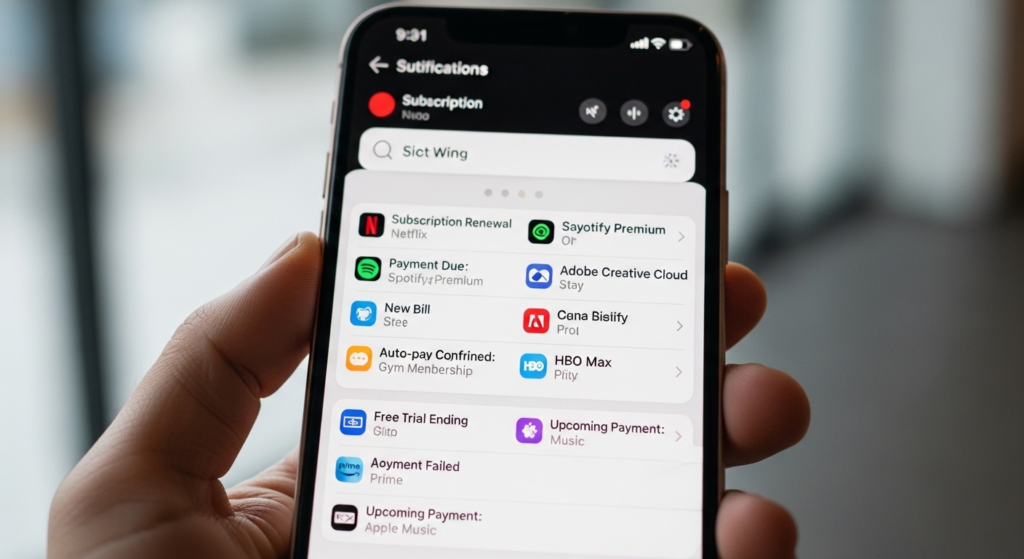
Modern life runs on subscriptions: streaming services, apps, memberships, delivery plans, cloud storage. Each one feels trivial — just a few dollars a month. But added together, they form a surprisingly large fixed cost that drains accounts on autopilot. Unlike a one-time purchase, subscriptions never end unless actively cancelled. It’s death by a thousand small charges, each too minor to notice and too persistent to ignore.
Inflation Reality

Groceries, insurance, healthcare, childcare — the essentials keep getting pricier while paychecks inch upward. Even modest inflation compounds year after year, steadily eroding what a dollar can buy. When costs rise faster than wages, every year brings a quiet pay cut in real terms. People aren’t imagining it: the same salary genuinely covers less than it used to, and the gap widens with time.
Social Comparison

Social media turned comparison into a daily habit. Scrolling past vacations, designer goods, and seemingly effortless luxury makes even comfortable earners feel behind. That feeling drives spending: upgrades to keep up, purchases to signal success, lifestyle choices shaped by what others appear to have. The result is a treadmill where satisfaction stays permanently out of reach — because the benchmark is someone else’s highlight reel, not your own needs.
Hidden Taxes
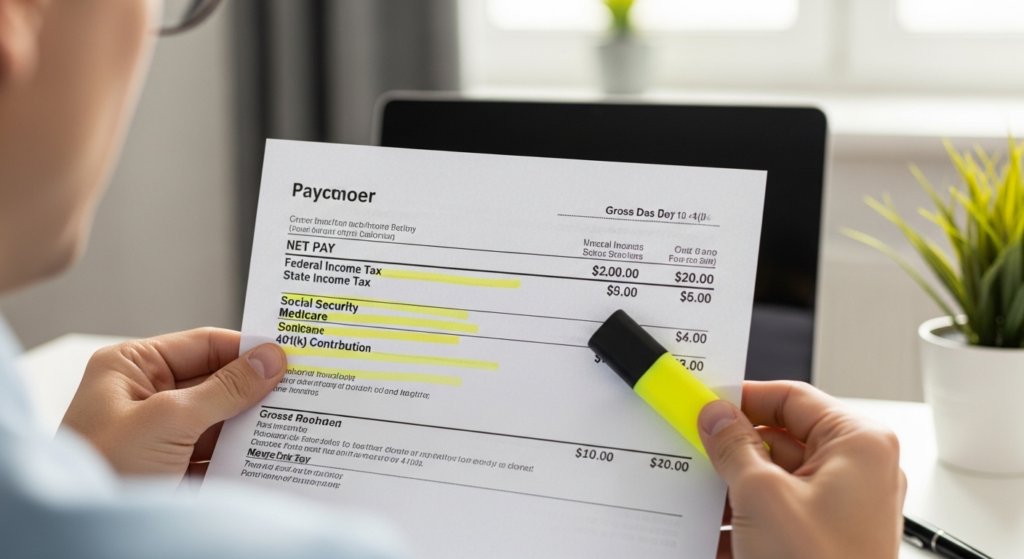
The salary on the offer letter is never the money that arrives. Federal and state taxes, Social Security, health insurance premiums, retirement contributions — each takes a slice before the paycheck lands. What shows up on payday can feel dramatically smaller than expected, especially for workers who budgeted around the gross figure. The gap between earning and keeping is one of the most underappreciated reasons higher pay doesn’t feel like more money.
Emergency Costs

Life has a way of sending surprise bills: a medical emergency, a car breakdown, a leaking roof, a sudden job loss. Without meaningful savings, each one becomes a crisis — forcing high-interest borrowing that deepens the hole. Income size offers little protection when reserves are thin; a well-paid worker with no cushion is one emergency away from financial chaos. Fragility, not low pay, is what makes so many feel broke.
Delayed Wealth Building

Many Americans don’t start seriously saving or investing until well into their careers — after student loans are managed and housing is sorted. Those lost early years matter enormously, because compounding rewards time more than amounts. Starting a decade late means missing the most powerful growth years. Despite solid jobs, the feeling of security stays distant when wealth-building began far later than it should have.
The Psychological Burden

Perhaps the hardest part isn’t financial at all — it’s psychological. Working long hours, earning good money, yet constantly feeling behind wears people down. The disconnect between effort and security breeds a quiet unease: if this much income still isn’t enough, what will be? That anxiety persists regardless of the numbers, because feeling broke was never just about the balance. It was about the gap between what was promised and what arrived.
