
Artificial Intelligence is not a far-off, futuristic concept that can only be possessed by tech giants, and it is silently invading the daily activities of small businesses throughout the world. Since the days of local stores to standalone online salesmen, AI technology is transforming the way work is done, and it is usually quicker than humans are able to keep up. Some rejoice in this change as innovation, whilst others feel that it is an unspoken takeover which puts jobs, creativity and human judgment in danger. The truth lies between the two extremes. It is not only aiding in the development of small businesses, but AI is compelling them to reconsider their survival, their identity, and their morals in a fast-changing digital economy.
Automation Overload

Everything is being automated in small businesses including customer responses and bookkeeping. This is an efficiency enhancer but it also begs a question; are the owners selling authenticity to convenience? Loss of human touch is usually felt by customers.
Hiring Less Humans

Artificial intelligence applications are silently eliminating the necessity of the entry-level workforce. The work that interns or assistants would have to do is now easily done by software in a minute, and novices are less likely to get hired.
A Marketing Strategy Free of Innovation

The advertisements, the captions, and campaigns created by AI are ubiquitous. They do a good job; however, they usually seem generic. The threat of relying on machine-generated ideas is that small brands will lose their unique voice.
Data Becomes Power

AI feeds on data and small businesses are gathering data about their customers more than ever. This begs moral questions, to what extent is too much data gathering, when the customers do not know about it?
Cost Cutting vs. Quality
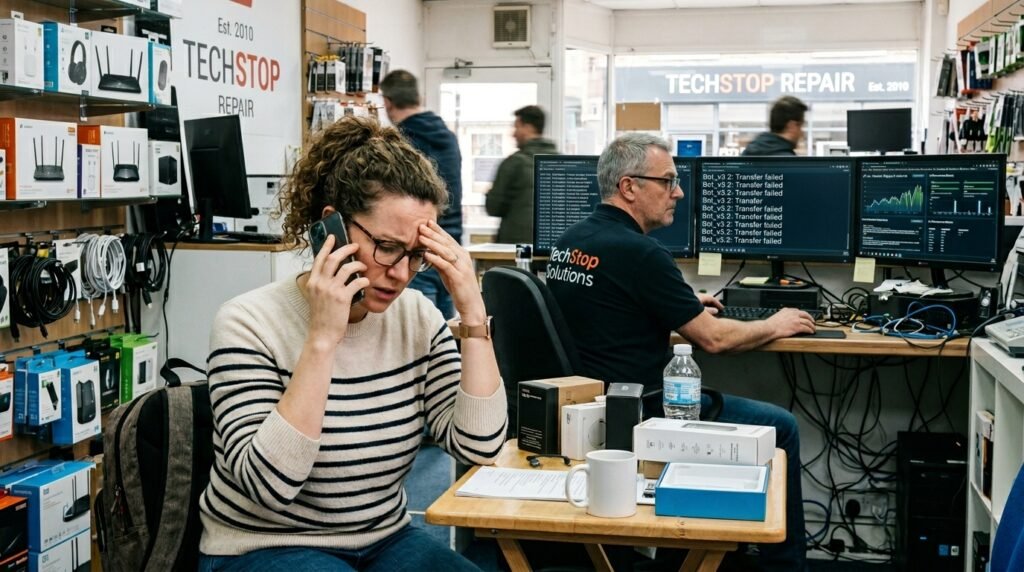
AI lowers the cost of operation to a large extent, though at times, it compromises on quality. Automated customer service can be frustrating to the user who may require the actual human attention.
The Illusion of Growth

The AI tools are capable of projecting an illusion of a bigger and more efficient business than the one a company is. As much as this is useful in competing with larger firms, it raises unrealistic expectations which might be difficult to maintain.
Dependency Trap

The number of small firms that are becoming over-reliant on AI platforms is increasing. Without backup systems, businesses may fall overnight in case of failure of these tools, change in pricing, or by limiting access.
Global Competitiveness gets tougher
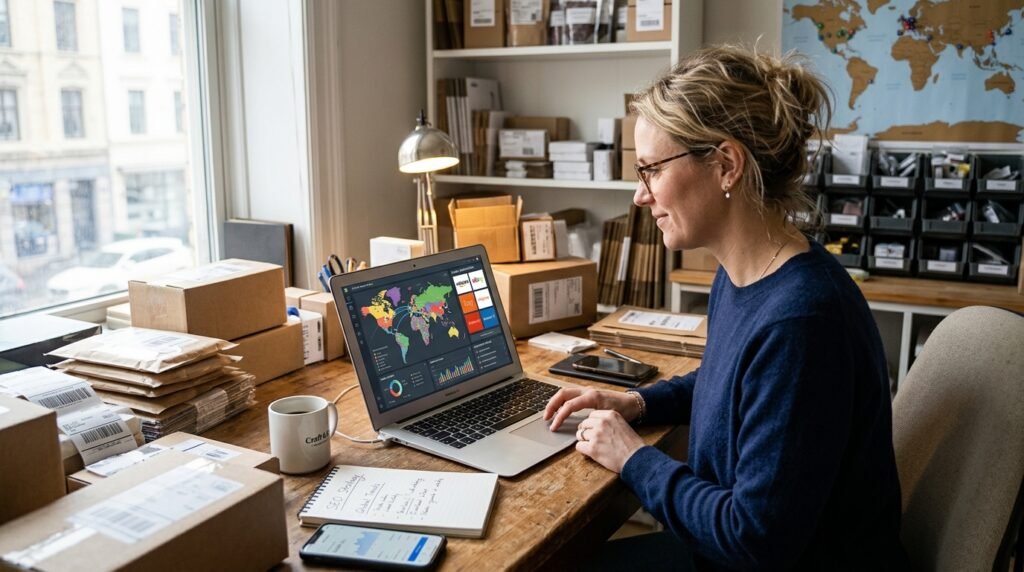
AI has eased the competition in the world. A small seller within a country is able to compete with a business anywhere across the world. On the one hand empowering implies more intense competition and decreased margins, on the other hand.
Ethical Dilemmas Rise

Between deepfake marketing and false automation, AI comes out as a source of dubious behavior. Small businesses can be compelled to go to ethical extremes in order to remain competitive.
Skill Shift Pressure

The owners of the business are now required to learn about AI tools, analytics, and automation systems. Failure of adaptation may leave the people behind, placing a gap between the technologically innovative and the traditional businesspeople.
