
The Strait of Hormuz is a narrow waterway between Oman and Iran that serves as the world’s most important oil and shipping chokepoint. The global freight expenses skyrocket when the regional tensions increase in this area. The shipping companies pass their security surcharge expenses to retailers who then pass them to you which results in your online order price doubling from its original value.
War Risk Insurance Premiums
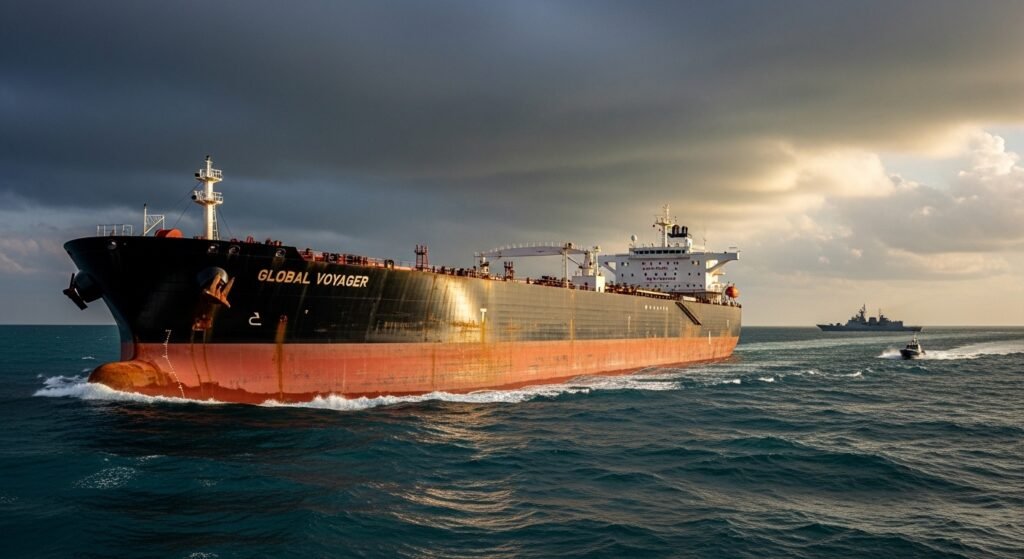
Insurance companies determine the ship insurance prices based on their risk assessment of each geographical area. The real-world 2024 conflicts caused insurance rates for tankers to increase by 400% which shipping containers had to absorb as an additional cost.
Fuel Surcharge Spikes
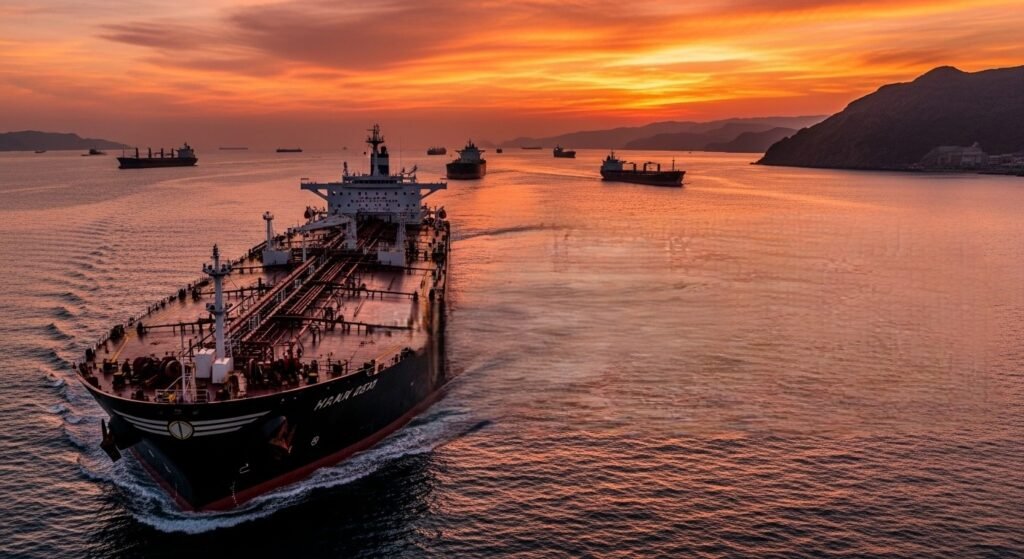
The Hormuz Strait handles 20% of worldwide oil transportation which causes oil prices to rise whenever there is a conflict. The shipping companies establish a Bunker Adjustment Factor BAF charge that they include in your invoice to recover their additional expenses for fuel during one particular trip.
The “Risk-Aversion” Route
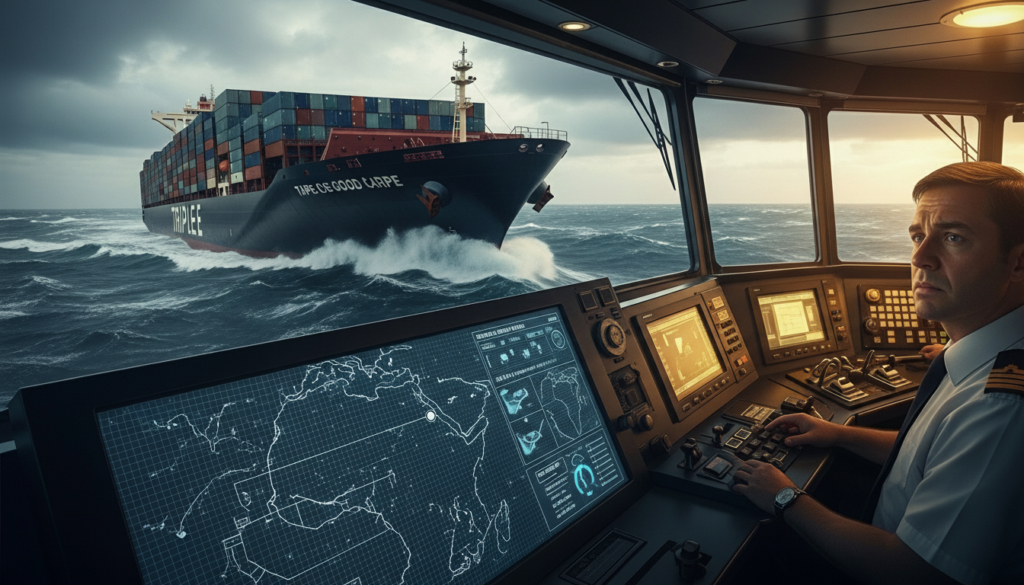
Ships must take the long route around Africa because the Strait has been declared too hazardous. The journey will require an additional time of 10 to 14 days. The extended time at sea results in increased costs for the crew and fuel which drive up consumer product prices.
The Container Shortage Loop
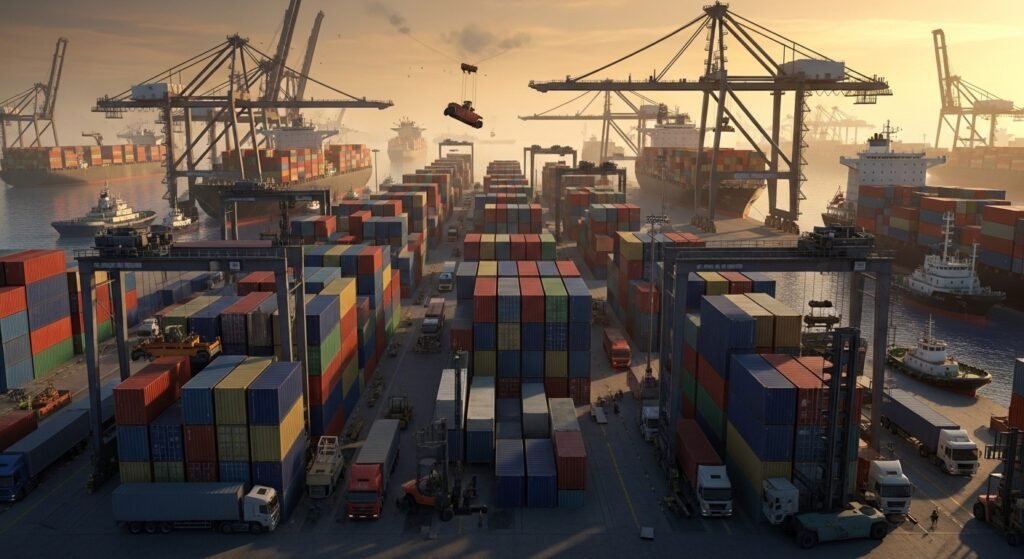
The ships must complete their lengthy detours before they can return to the ports for new cargo collection. The empty container shortage occurs in China because companies must pay extra to obtain a container for your order.
Port Congestion Fees
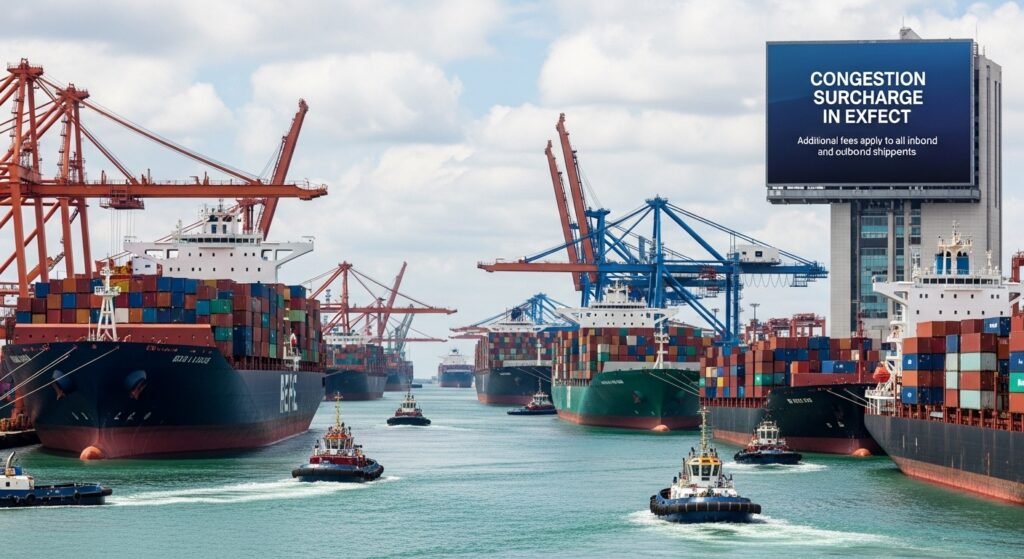
The port traffic congestion happens when various ships arrive simultaneously which results from schedule changes. The ports implement congestion surcharges to handle the operational chaos which they charge as an extra fee on your package shipping and handling costs.
Peak Season Surcharges (PSS)
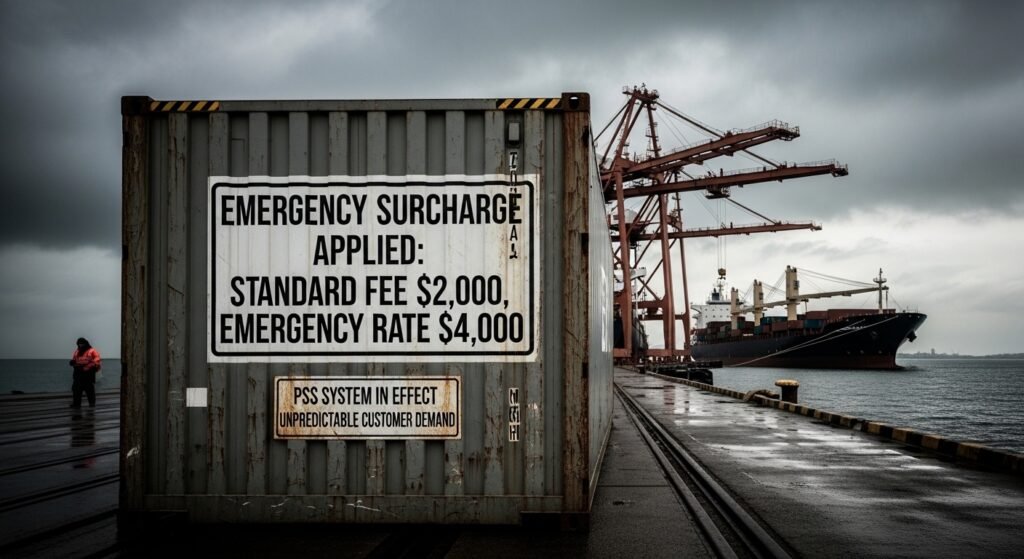
Shipping companies establish a PSS system during unstable periods to control their unpredictable customer demand. A standard shipping fee which costs $2,000 can increase to $4,000 during a regional emergency situation.
Inventory Holding Costs
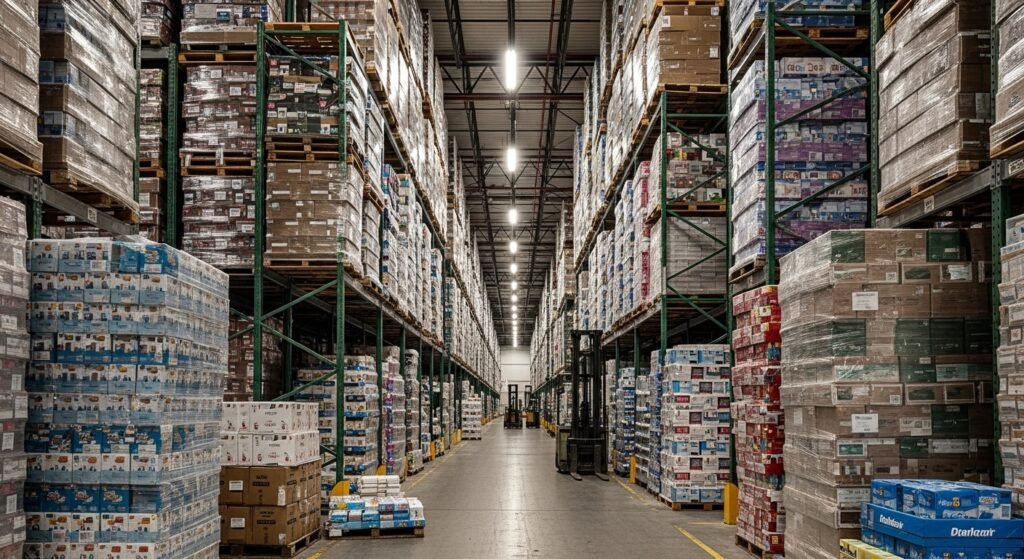
Amazon and Walmart face higher expenses to store their inventory when delivery delays occur. The company increases the product base price to offset their unexpected costs from warehouse expenses which are not part of their regular business operations.
Carrier Capacity Crunches
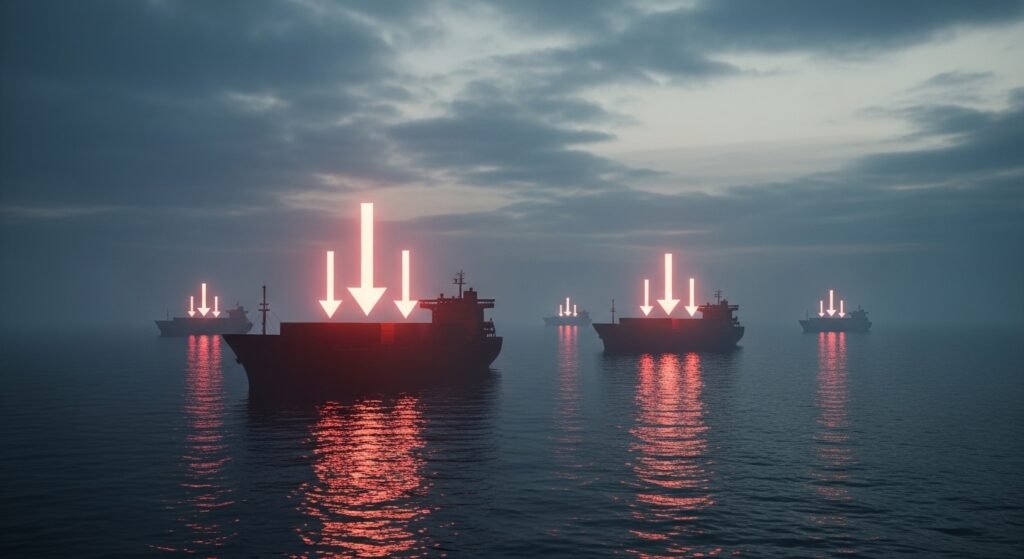
The shipping line’s decision to withdraw its vessels from the Strait reduces available vessels for other users. The remaining carriers use their high demand which matches their limited supply to increase their rates between two and three times within one night.
The “Emergency” Air Freight Pivot
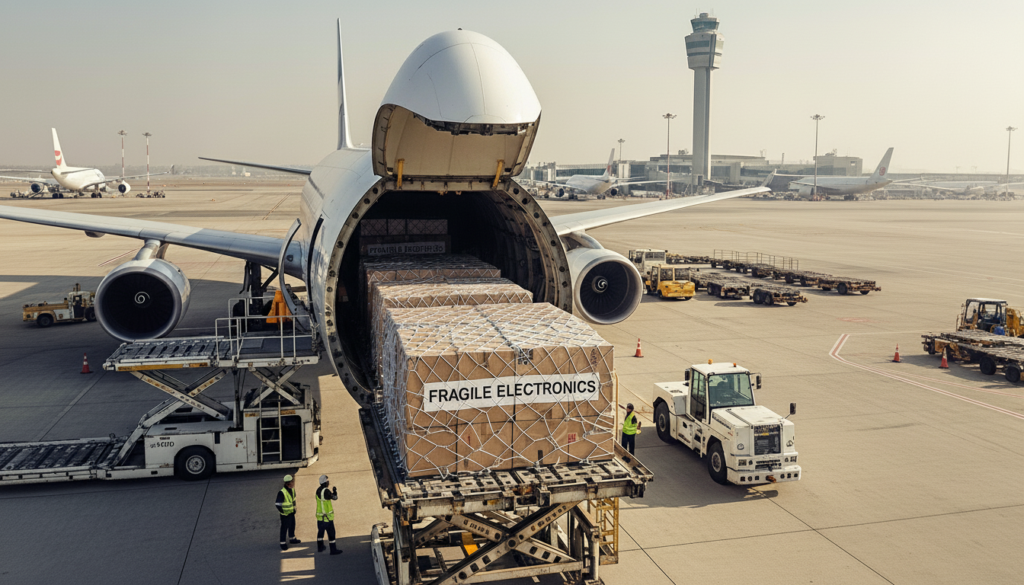
Companies who need to move critical electronics or fashion items turn to airplanes when sea routes become unserviceable. The air freight cost is much higher than the sea freight cost which results in the “In Stock” tech gadget price doubling from its previous week value.
Last-Mile Delivery Inflation
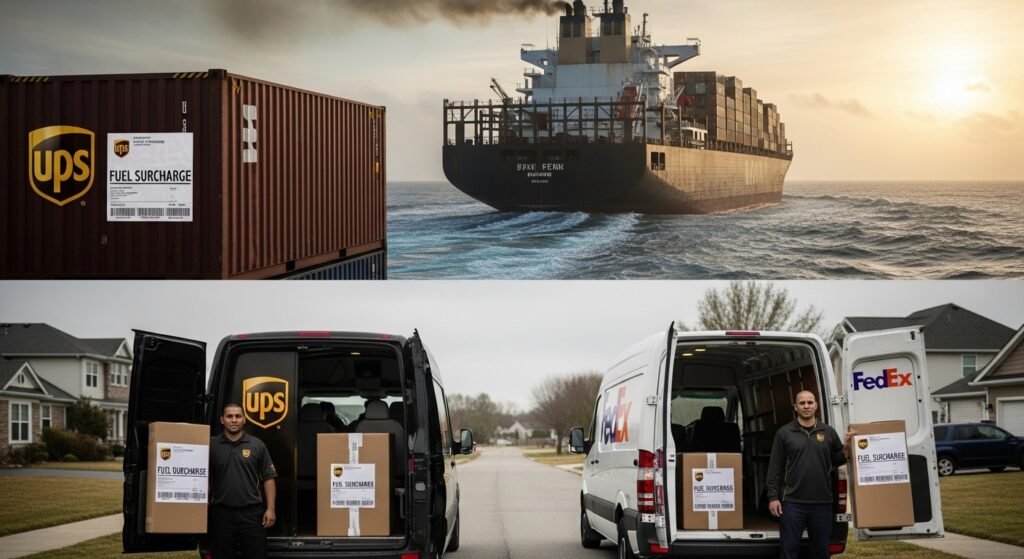
The rising oil prices impact both ships and delivery vans that operate in your neighborhood. The delivery companies UPS and FedEx add fuel surcharges to their shipping labels which results in equal shipping costs for both the initial and final delivery stages.
The Currency Exchange Trap

The shipping industry uses U.S. Dollars as the standard currency for pricing. The local currencies experience a decline in value during geopolitical conflicts which forces you to spend double the amount of your local currency to acquire imported items at the store.
