
The modern middle class faces its most potent psychological barrier which people refer to as “doom-spending. The spending behavior occurs when people buy luxury products or costly experiences because they believe they will never achieve essential life goals such as homeownership or retirement. When people foresee a disastrous future they use all their money to deal with current economic conditions because they stop saving for future needs.
The “House is a Dream” Logic
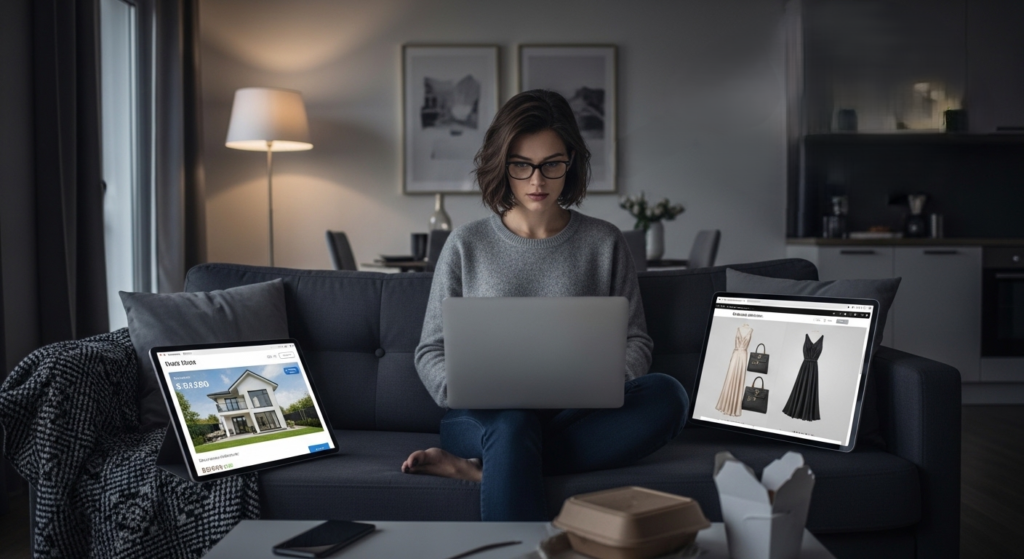
Young professionals now understand that their current salaries do not allow them to save enough money for home down payments because housing prices have increased beyond their financial capacity. They use their monthly savings of 500 dollars to buy upscale designer fashion items instead of saving for a home which they cannot afford.
Luxury as a Stress Buffer

Real-life examples show workers buying $7 lattes or $15 avocado toasts every single day. People who work high-pressure jobs which they believe will never let them leave their job choose to spend on essential needs which critics label as “wasteful” because they see it as necessary for their mental well-being.
Social Media “Status” Survival

People care more about presenting themselves as successful through digital platforms than they do about having financial stability. To keep up their middle-class image on social media, doom-spenders spend their money on the newest smartphone and popular skincare items although their bank accounts are almost empty.
The Death of the “Emergency Fund”
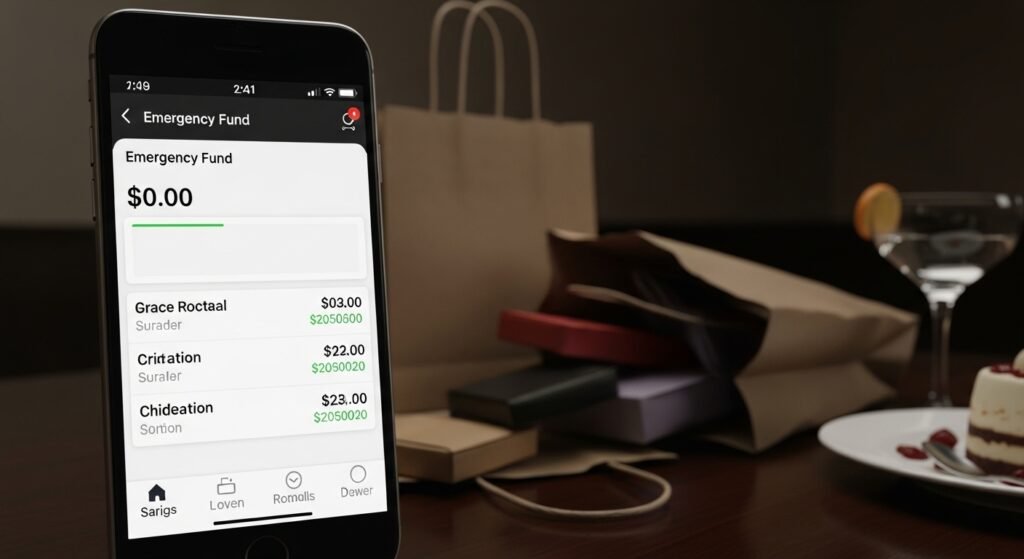
People are using their savings accounts to buy things that give them instant satisfaction. The debt limit for doom-spenders who need emergency funds remains empty because they used their money to buy concert tickets and expensive dinners which they used to escape from their financial obligations.
Subscription Overload
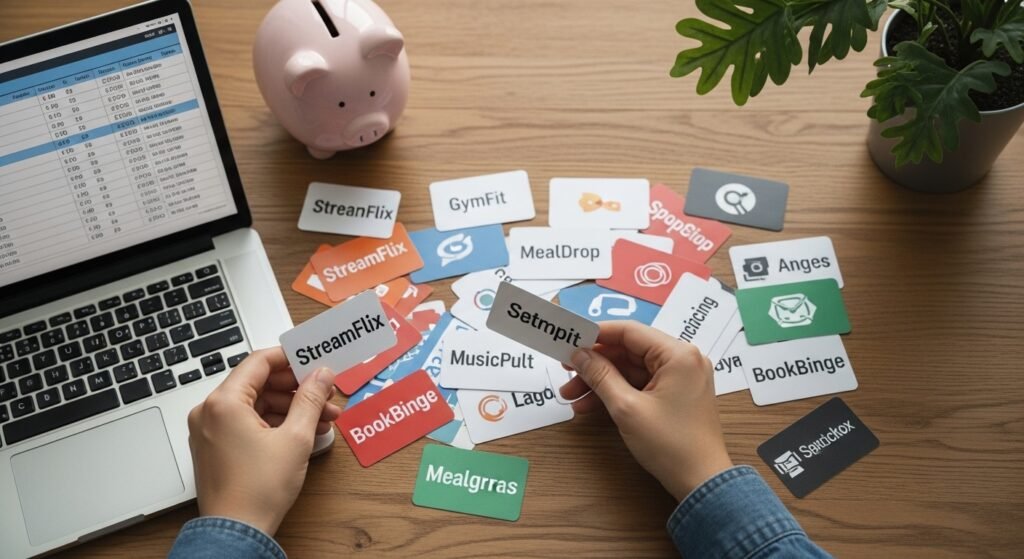
Most people manage more than ten different subscriptions which include streaming services, gym memberships and meal delivery services. The middle-class budget faces ongoing pressure from these “micro-spends” because they create multiple small expenses which prevent users from saving money for future investment.
The Comfort of “Nostalgia Buying”
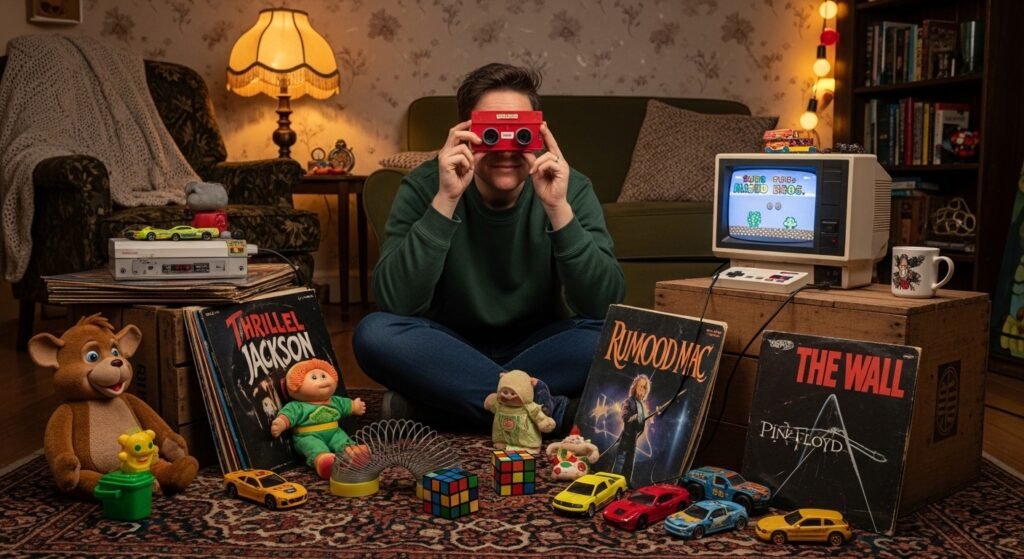
Collectors are spending thousands on vintage toys, vinyl records, or retro gaming consoles and these purchases function as a method of doom-spending because people want to experience a period when their hope of achieving middle-class status felt more reachable than in recent times.
High-Interest Debt Normalization
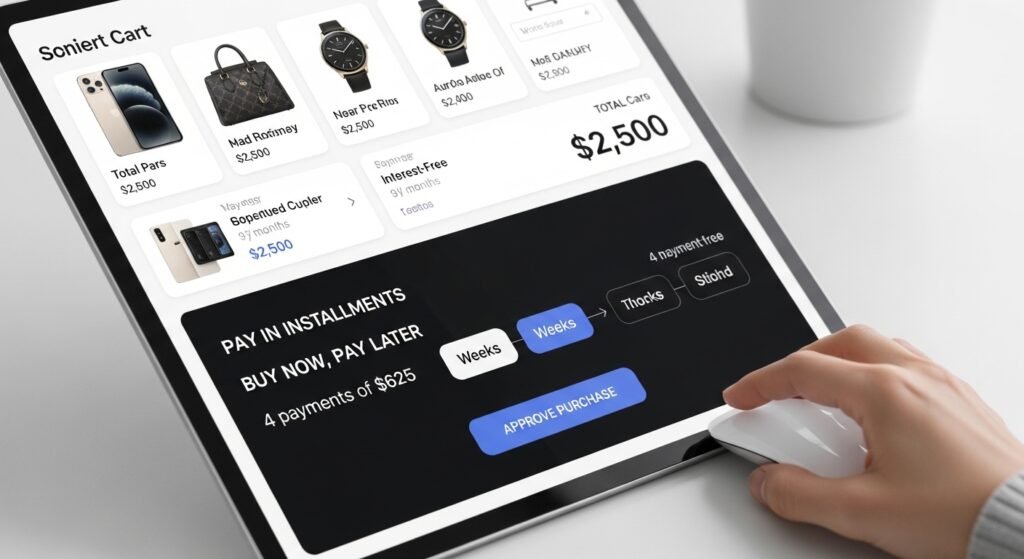
People use Buy Now Pay Later services to spend money they do not have for their doom-spending activities. The users of these plans treat non-essential items as regular daily expenses because they purchase expensive makeup through “pay-in-four” plans which allow them to handle debt as if it were a common financial obligation.
The “I Deserve This” Trap
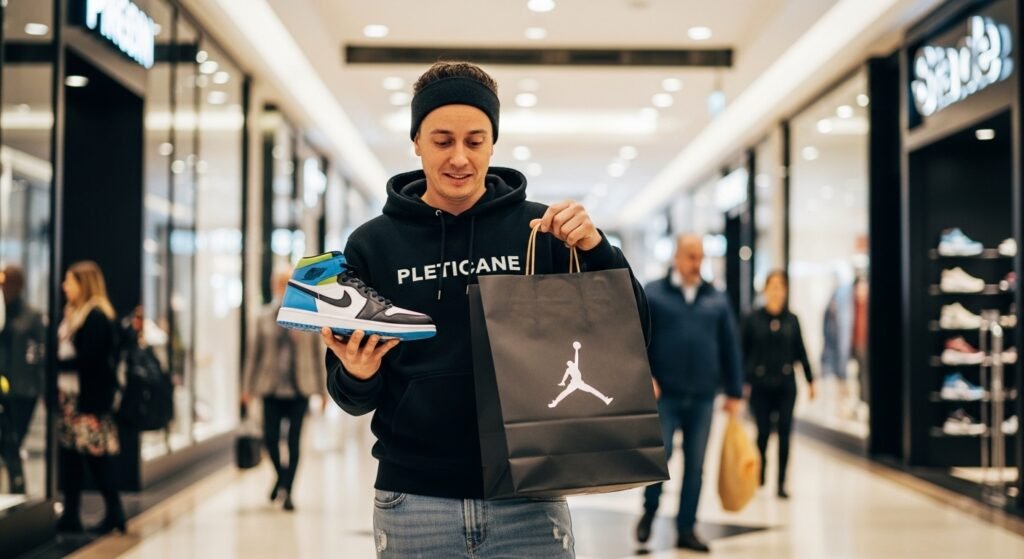
After a week of work with no wage growth and increasing housing costs people develop an “I deserve this” mindset. The person makes impulsive “retail therapy” purchases which lead her to buy sneakers worth 200 dollars because she wants to feel temporary control over her life.
Ignoring the 401(k)
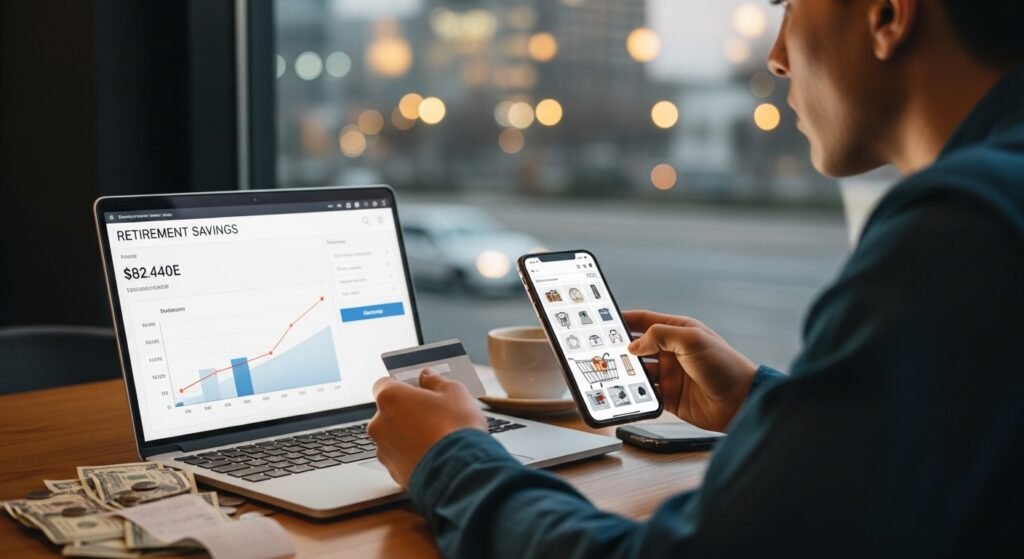
Workers choose not to contribute to retirement funds so they can boost their current income for spending needs. People believe that retirement does not exist for their generation so they choose to live better today instead of saving for an uncertain time.
