
A credit card may be a pocket financial superpower. It takes a single tap to make a purchase. No outlay, no trouble, even incentives. There is more to it, though, on the other side of that convenience: a list of fees that most people would not initially notice. Here and there a few dollars, here and there a little charge, and the statement becomes suddenly heavier than it should be. What is perplexing is that a majority of these charges are not inevitable at all. When you are aware of their hiding place, then it is much easier to ensure that your money does not slip away.
Annual Fee
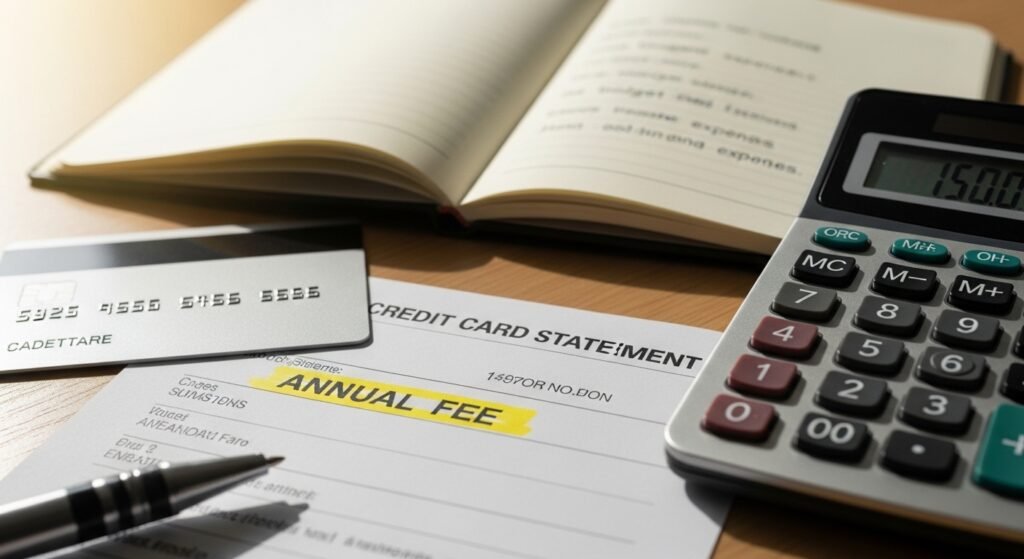
There are credit cards that require fees just to maintain the account. In return, premium cards usually provide travel benefits or reward programs. However, when the perks are seldom utilized, then the fee becomes a waste of money. Various banks provide solid cards at no annual fee. Selecting one of them can eliminate this expense.
Late Payment Fee

Failure to make a payment on time may result in a swift penalty. Even a minimal delay can incur a late fee from the issuer. In the long term, you can also have poor credit due to multiple late payments. Automatic payment or easy reminders can help ensure that this payment is not missed.
Interest Charges
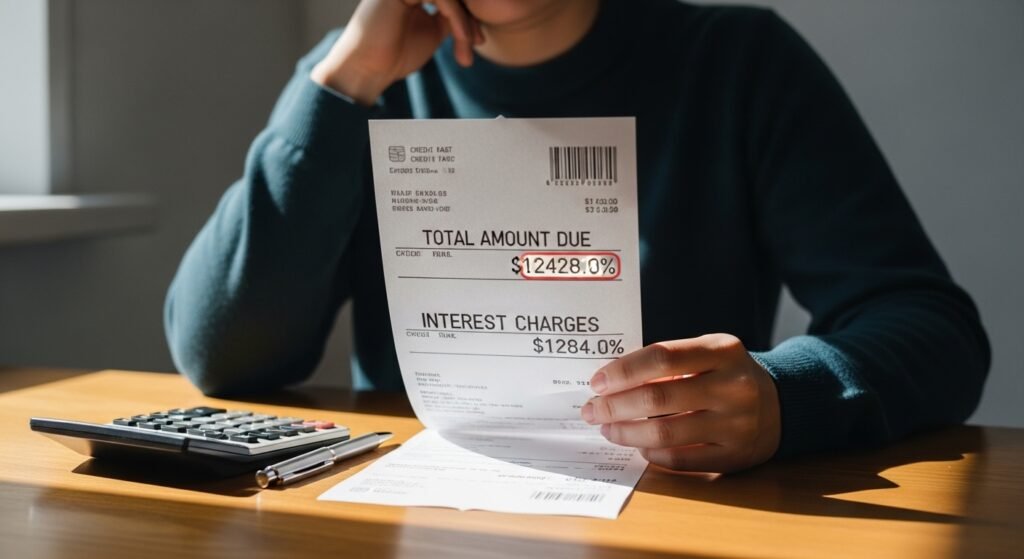
Bringing a balance forward every month can become costly over time. The interest charged on a credit card is normally very high compared to most other loans. What is initially a minor, uncompensated sum can grow at a disproportionate pace. By paying the full balance every month, the accumulation of interest is avoided.
Cash Advance Fee

Cashing out a credit card may seem like an easy option in a hurry. Nevertheless, it normally carries an additional charge immediately. Interest is also often begun as soon as possible. Due to it, cash advances become some of the most expensive transactions made with cards. A debit card is generally more preferable.
Balance Transfer Fee
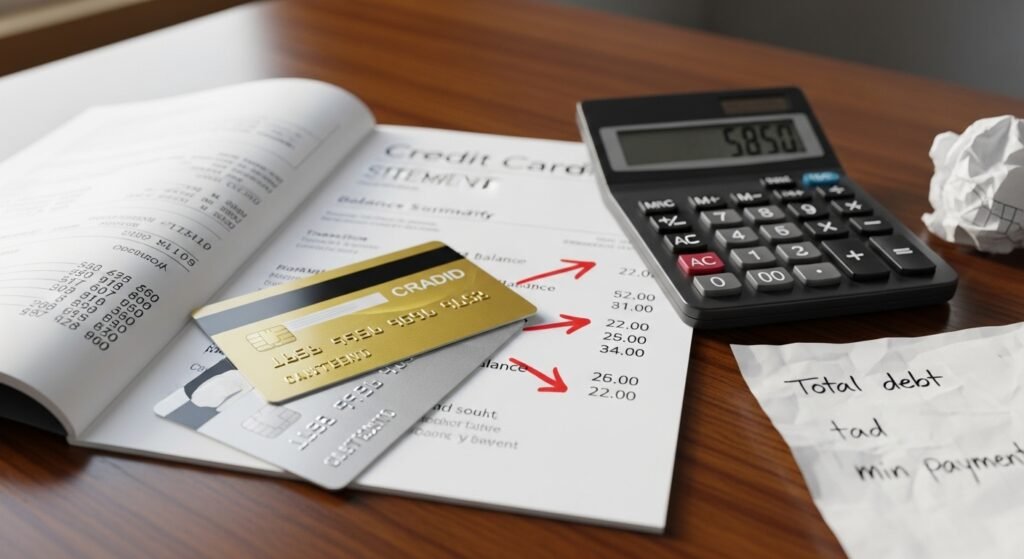
Sometimes, it can be useful to transfer debt to another card with a lower interest rate and so save money. It is for this reason that many people use balance transfers. However, the issuer is likely to impose a percentage fee on the amount transferred. A closer inspection of the numbers would help ensure that the transfer saves money.
Foreign Transaction Fee

Using a credit card in a foreign country will incur a low percentage fee per purchase. At first, it might seem minor. However, the additional expenditure is felt after a few meals, rides and minor purchases. Numerous cards offer travel benefits, eliminating this fee.
Over-Limit Fee
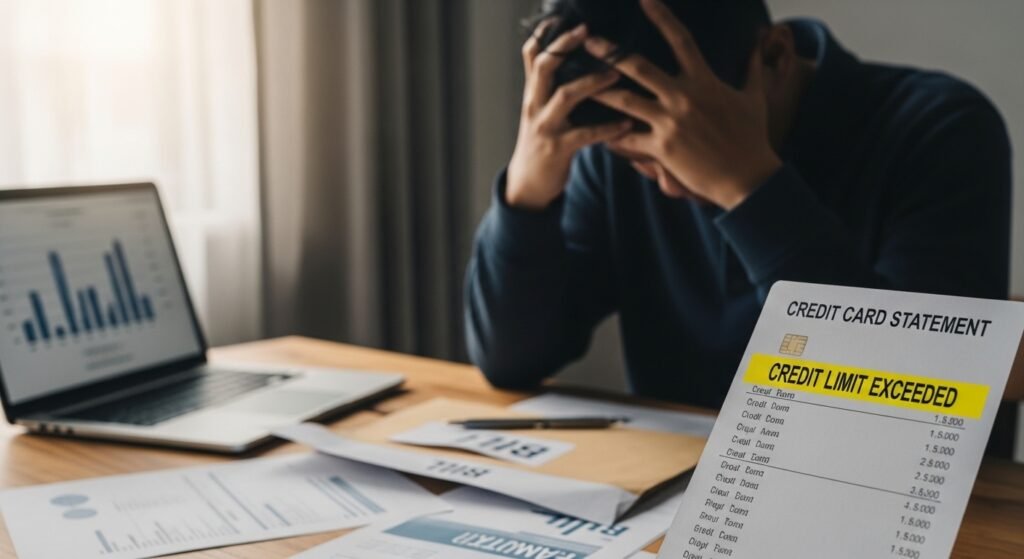
Certain credit cards allow spending a little more than the approved limit. When that occurs, a fee may be charged on the statement. Exceeding the limit can also influence the credit habits of the lenders. Monitoring available credit is a way to avert this scenario.
Returned Payment Fee
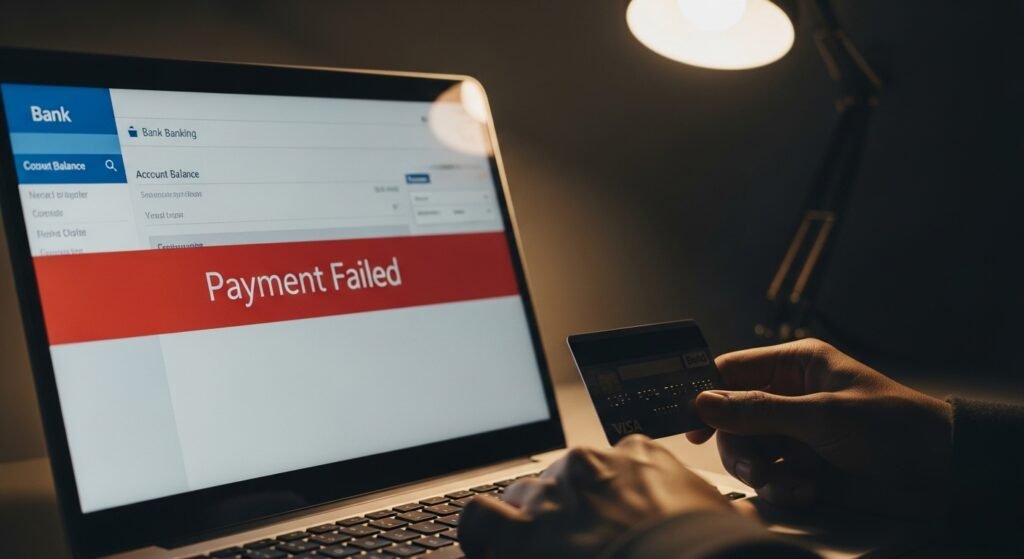
In the event that a scheduled payment fails to be carried out due to insufficient funds, a returned payment fee may be incurred. It functions in the same way as a bounced payment. This normally occurs when individuals lose track of the impending debts in their bank account. The issue can be avoided by checking balances prior to payment.
Paper Statement Fee
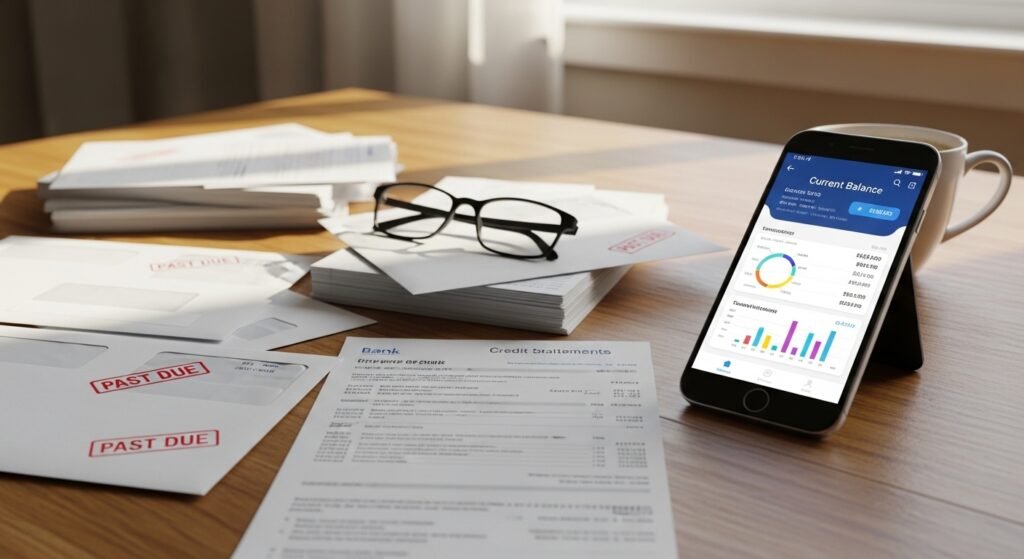
Most issuers are currently promoting the use of digital statements by their customers. Others even charge a small amount for mailing the paper versions. Although the size might be minor, it contributes to the time. Moving to online statements eliminates the cost and makes all easy to trace.
Expedited Payment Fee
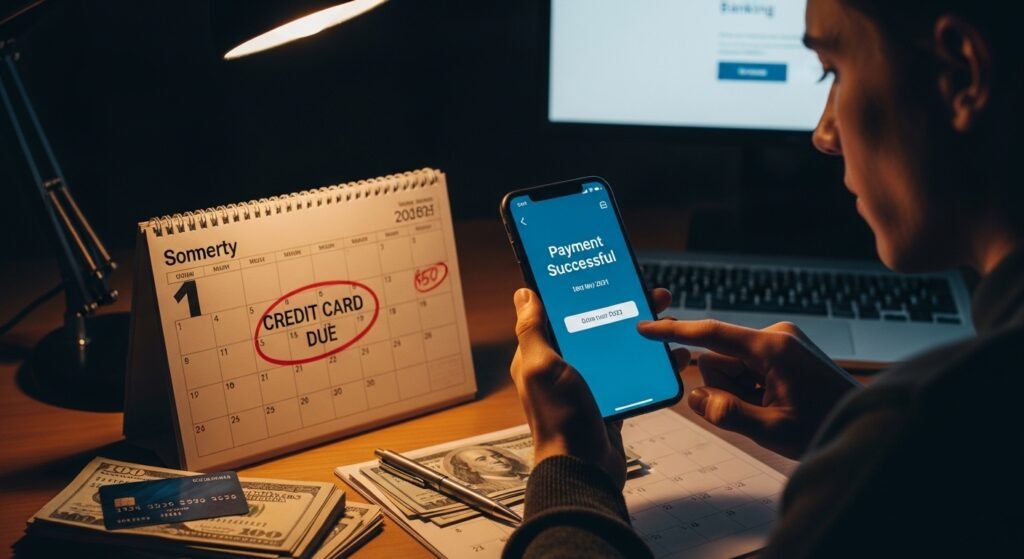
There are cases where payment is made near the due date, and individuals choose to have it processed quickly so that they are not late. This is a fast solution provided by credit card firms. The quicker service normally attracts a premium. It is done away with by planning payments a few days in advance.
Card Replacement Fee

There is also a replacement charge in case of a lost credit card, particularly when the delivery is ordered within a short period. Although the fee is not necessarily huge, it can be avoided. Having the card stored and not lost, and reporting it as soon as it is lost, is beneficial in avoiding unnecessary expenditure.
Inactivity Fee
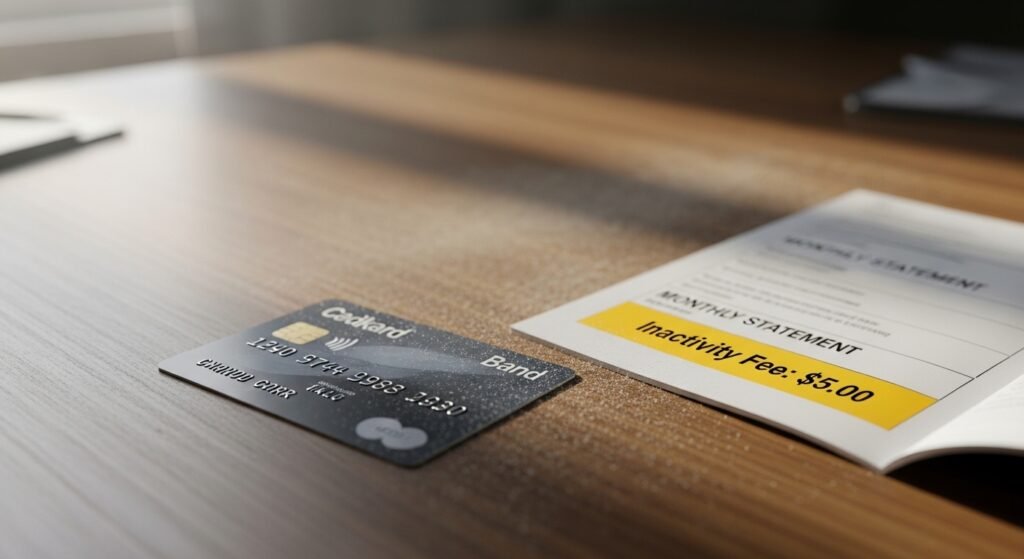
There are certain credit cards that charge a minimal fee when the account is not used in a long time. In some cases, issuers charge such accounts that are not used. Making occasional small purchases keeps the account active. That mere habit can keep off the fee.
