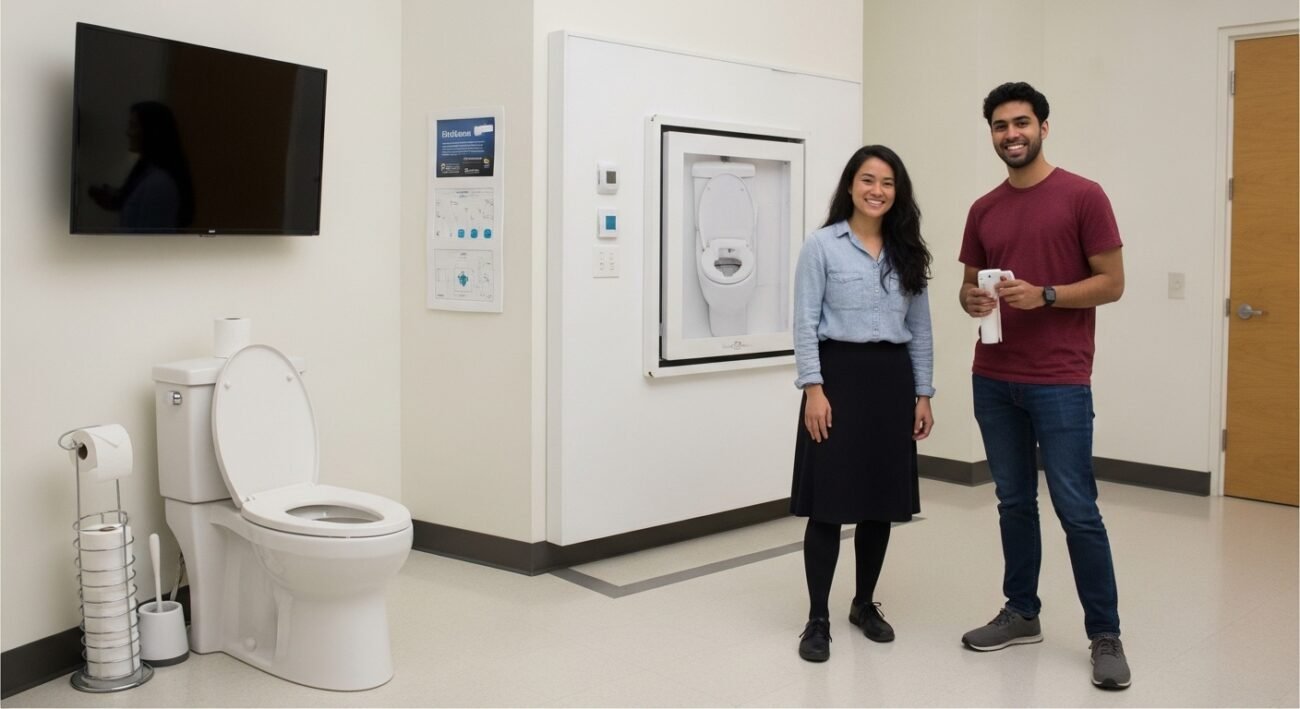
Stanford University is using a “Smart Toilet” project to teach students about the future of medicine and the power of “invisible” health data. The system turns ordinary bathroom habits into a health monitoring service — showing students that essential medical information comes from daily life, not just doctor’s appointments.
The Passive Monitoring Concept
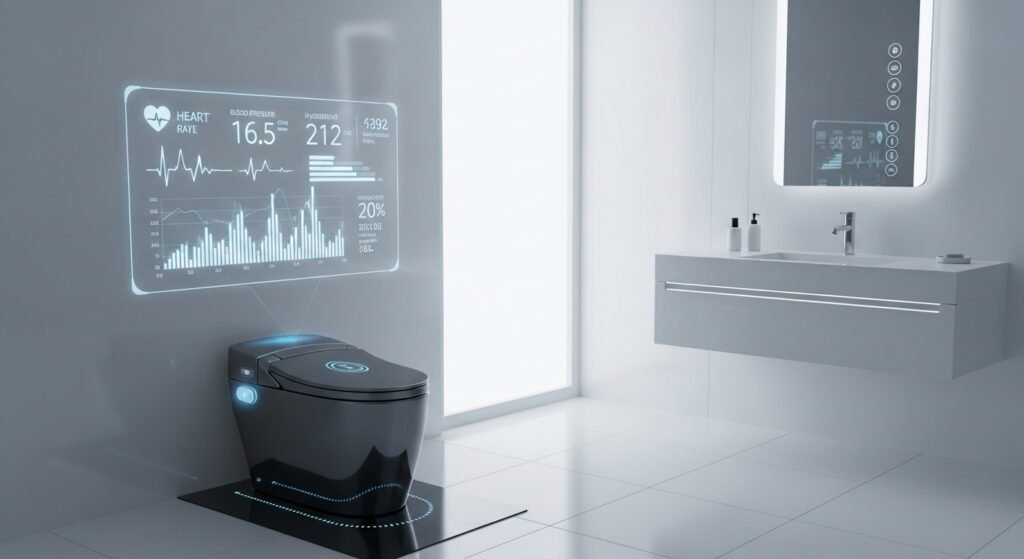
The Smart Toilet collects data without requiring any effort from users. It teaches students that “passive” collection beats “active” tracking — people forget or misreport in food-logging apps, but the toilet stays objective.
The “Precision Health” Vision
Stanford professor Sanjiv Gambhir developed the project to catch diseases before symptoms appear. Monitoring waste over time can reveal early signs of cancer and kidney failure before patients feel anything wrong.
The Pressure Sensor Baseline

High-speed cameras and pressure sensors assess urine stream patterns. Students learn how this physical data can detect prostate issues and urinary tract infections — completely non-invasively.
Stool Analysis for Gut Health
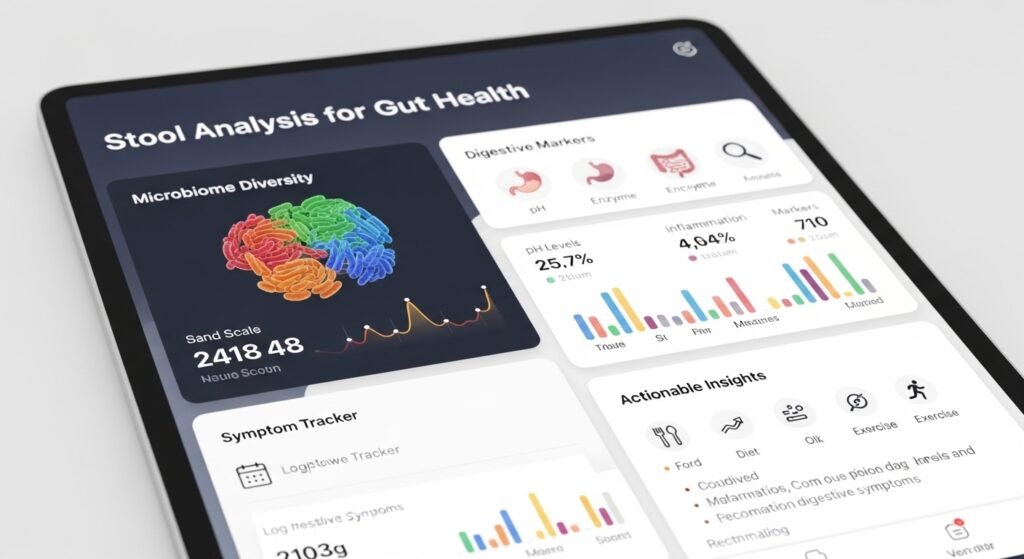
AI categorizes waste using the Bristol Stool Scale. Students see how computer vision can track the microbiome and fiber intake, producing a daily report on digestive health and diet effectiveness.
Molecular Scanning
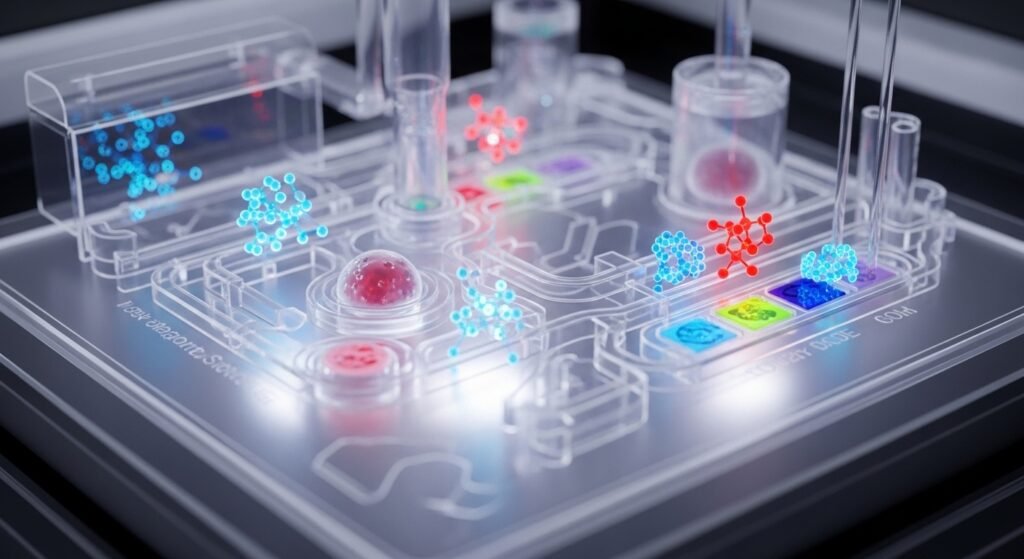
Urinalysis strips test for glucose levels and white blood cell counts. It’s “lab-on-a-chip” technology in action — automatically monitoring diabetic patients or flagging hidden infections.
Predicting Viral Outbreaks

Tracking virus particles in campus waste shows outbreaks before people start coughing. Students learn how bathroom data could serve as an early warning system for the next pandemic.
Real-Time Hydration Alerts
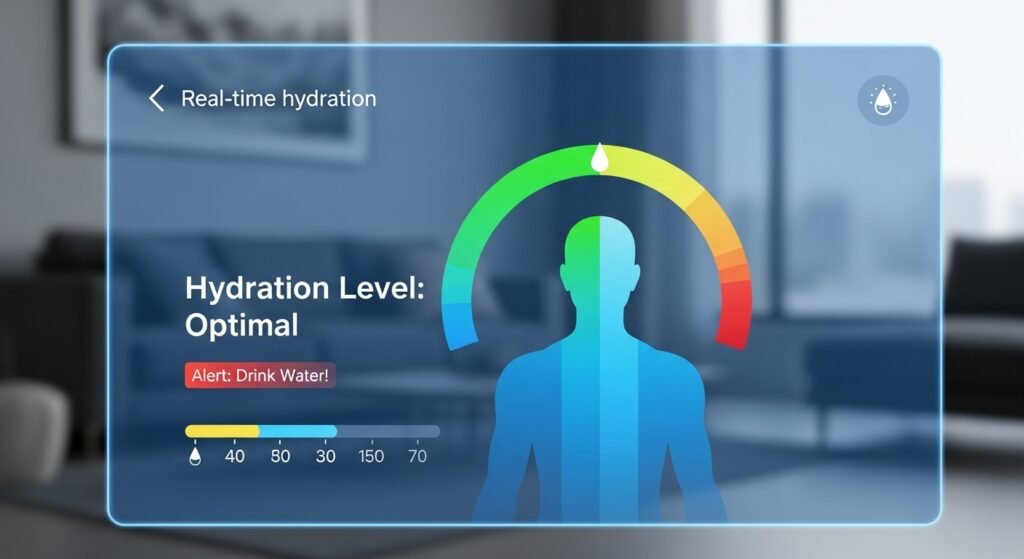
Urine concentration analysis detects dehydration instantly. It’s a simple demonstration of how bio-feedback technology can change daily behavior in real time.
Standardizing the “Flush”
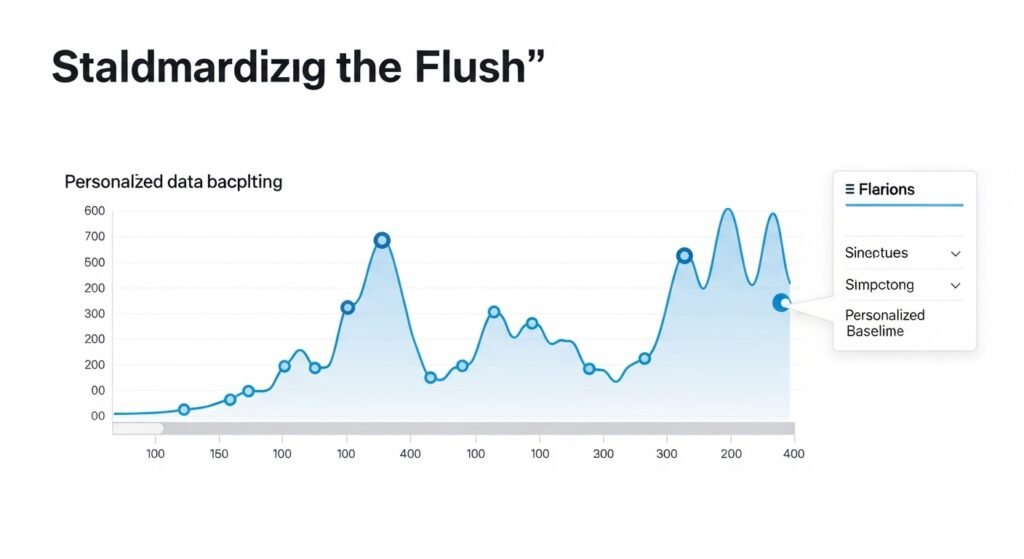
Students confront a real research challenge: the benchmark problem. Since everyone’s habits differ, the AI must learn each person’s “normal” over weeks — so a spicy meal doesn’t trigger a false alarm.
The Future of the “Home Lab”
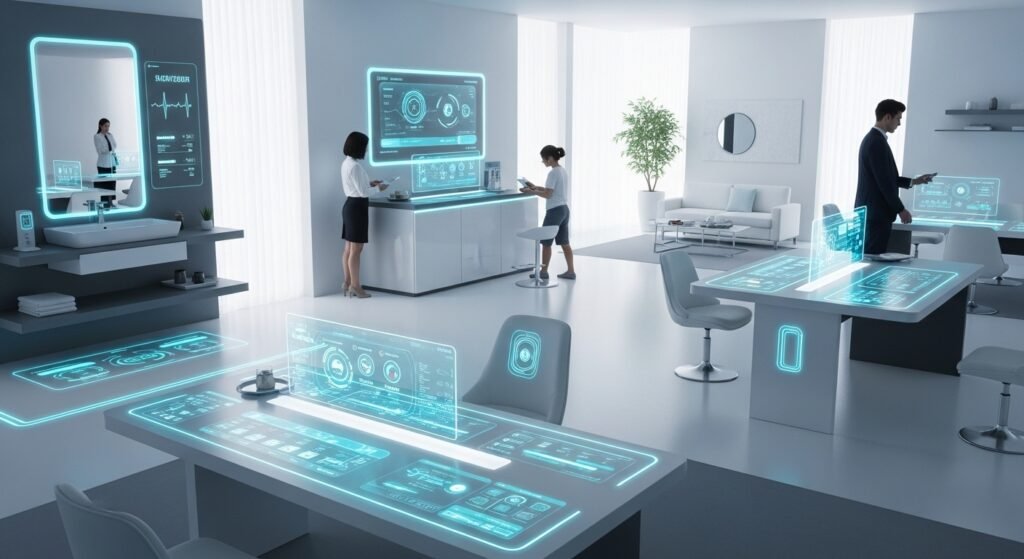
The lesson shows that hospitals will eventually extend into the home. The Smart Toilet is just the first step toward a world where our furniture monitors our health and keeps us out of the ER.
