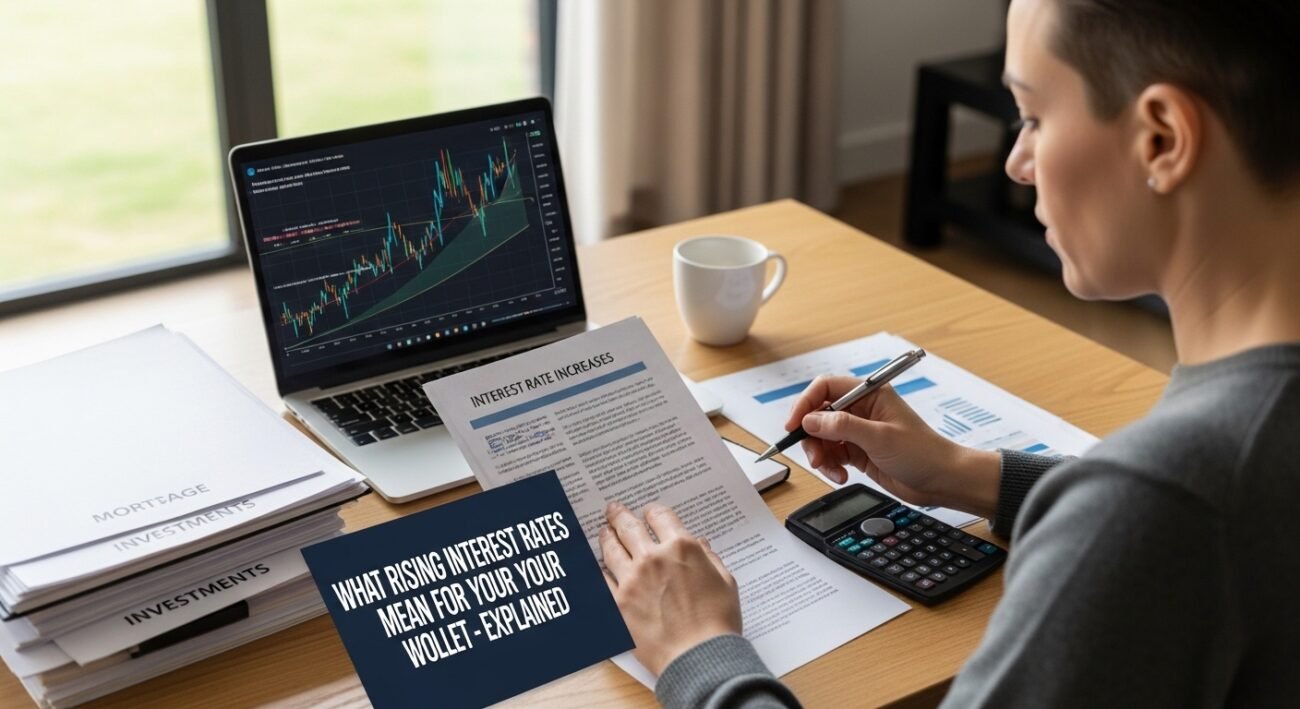
The central bank employs interest rate hikes as a tool to reduce an economy’s excessive growth by making borrowing costs more burdensome for businesses. The measure helps to decrease inflation but it creates an instant effect which reaches your entire financial situation. The understanding of these financial changes enables you to choose correct investment strategies which will save you money and help your savings account increase.
Borrowing Becomes More Expensive

The first effect of the situation is that borrowing costs have now increased. All types of loans including personal and business loans and credit lines require banks to charge higher rates because their expenses to lend money have increased. The cost of your future loan will exceed what you should have paid based on last year’s pricing.
Mortgage Rates Climb

Homebuyers face major obstacles because of increasing interest rates. A 1 percent or 2 percent mortgage rate increase will cause homebuyers to face higher monthly payments of several hundred dollars while accumulating tens of thousands of dollars in interest costs throughout the duration of their mortgage. The market experiences a housing market collapse when increased interest rates make homeownership less affordable for potential buyers.
Credit Card Debt Gets Pricier

The majority of credit cards operate with interest rates that change according to market conditions. Your credit card’s Annual Percentage Rate (APR) will typically rise whenever the national interest rate increases. Your interest payments will increase because you carry debt from one billing cycle to the next which makes it more difficult for you to settle your outstanding balance.
Savings Account Yields Increase
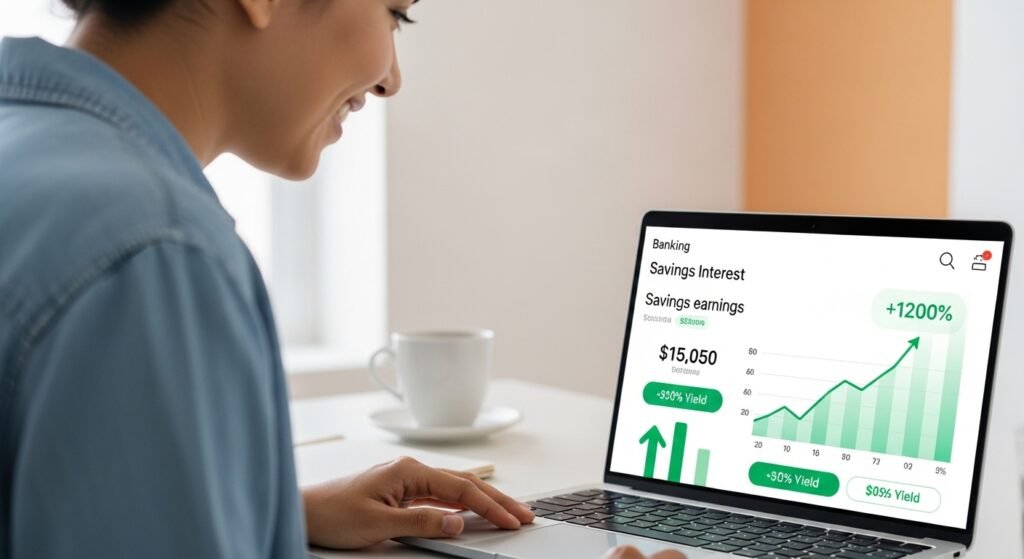
The rising interest rates provide a positive outcome for individuals who want to save money. Banks start providing increased interest rates on both Savings Accounts and Money Market Accounts. Your emergency fund will begin to produce extra money every month after years of generating no income.
CDs and Bonds Become Attractive
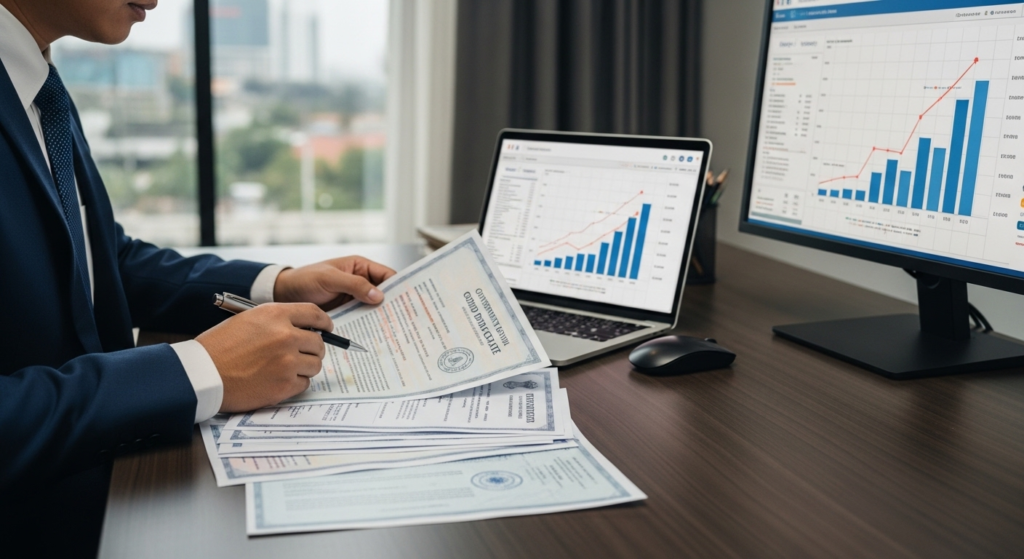
The return on investment from Certificates of Deposit (CDs) and government bonds increases when interest rates rise. The high-interest CD provides guaranteed safe returns which exceed previous years’ returns to those who have cash that they will not use for the next one to two years.
Auto Loans Feel the Pinch

The only financing option that people find available when they want to purchase a car becomes the rare “0% financing” deal. The higher interest rates will force you to pay more for your vehicle. The higher costs of new vehicles push consumers to select either used vehicles or cheaper models which helps them maintain their monthly spending limits.
Variable-Rate Loans Can Shift
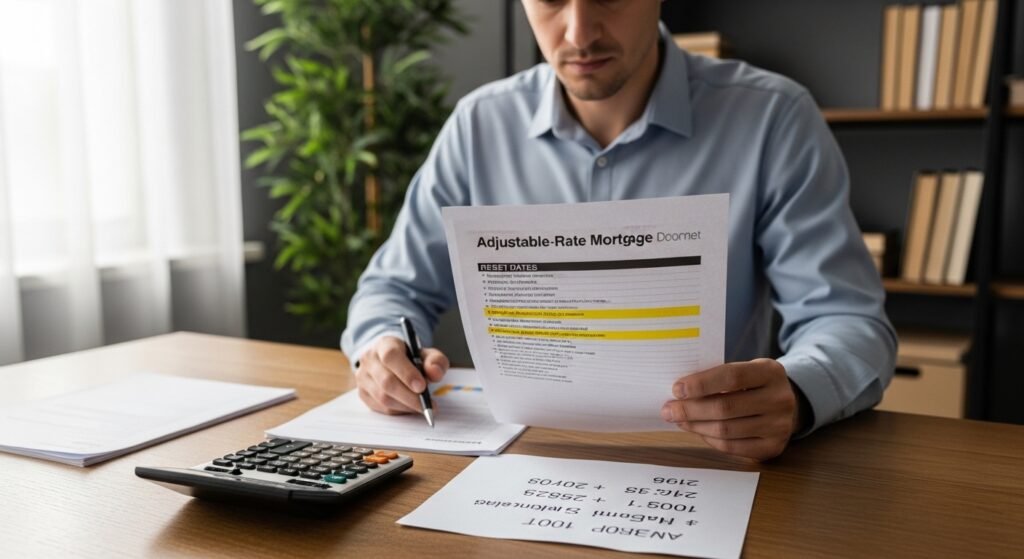
The payments for your existing loan will increase when you have a loan with a variable or adjustable rate, such as an Adjustable-Rate Mortgage (ARM). Your loan agreement contains the critical information about your rate “reset” dates which will cause significant increases in your housing expenses.
Lower Inflation Benefits Your Purchasing Power

The central bank uses interest rate increases to reduce the speed at which prices progress upward. The expenses of your loans will increase because the bank wants you to pay more for your grocery expenses and gas costs and clothing purchases. The passage of time helps your salary reach its maximum value because it maintains consumer power over time.
The Stock Market May Be More Volatile

The stock market faces difficulties because higher interest rates create challenges for technology and “growth” companies that depend on low-cost funding. Investors move money from the stock market into bond investments which now provide solid returns, leading to market fluctuations.
