
Fraud doesn’t always look suspicious these days. It often looks convenient, urgent, even helpful. From fake job offers to phishing messages posing as bank warnings, scammers are getting better at blending in. Cybersecurity experts say the biggest mistake is assuming you’ll easily recognize a scam. In reality, fraud works by exploiting human emotions — fear, greed, curiosity — not by using obvious tricks. Learning to spot the red flags isn’t just useful; it’s essential. The good news: a few simple habits can keep you safe in an increasingly digital world.
Too-Good-to-Be-True Deals

If something sounds too good to be true, it usually is. Scammers lure victims with unbelievable prices, easy money, or guaranteed returns. These offers are designed to cloud your judgment and push you into rushed decisions.
Manufactured Urgency
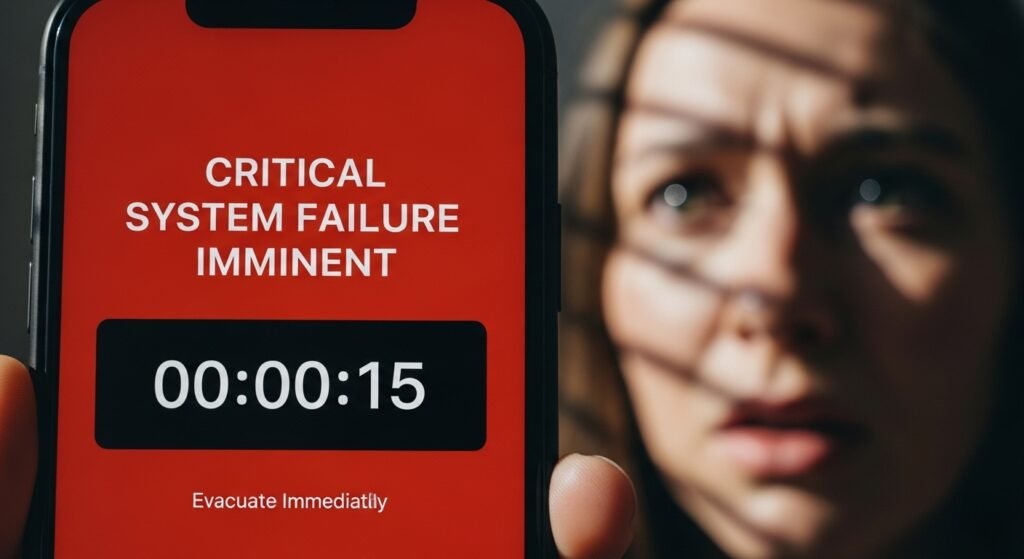
Fraudsters create a false sense of urgency — act now or lose out. The pressure is meant to stop you from thinking clearly or verifying anything. Legitimate companies rarely force you to decide on the spot.
Suspicious Links

Clicking a suspicious link is one of the easiest ways to fall into a trap. Always check the URL: a small misspelling can lead to a phishing site built to steal your information.
Unverified Contacts

Messages from strangers claiming to be authorities are common. Before replying or sharing anything, verify the sender through official channels.
Personal Info Requests
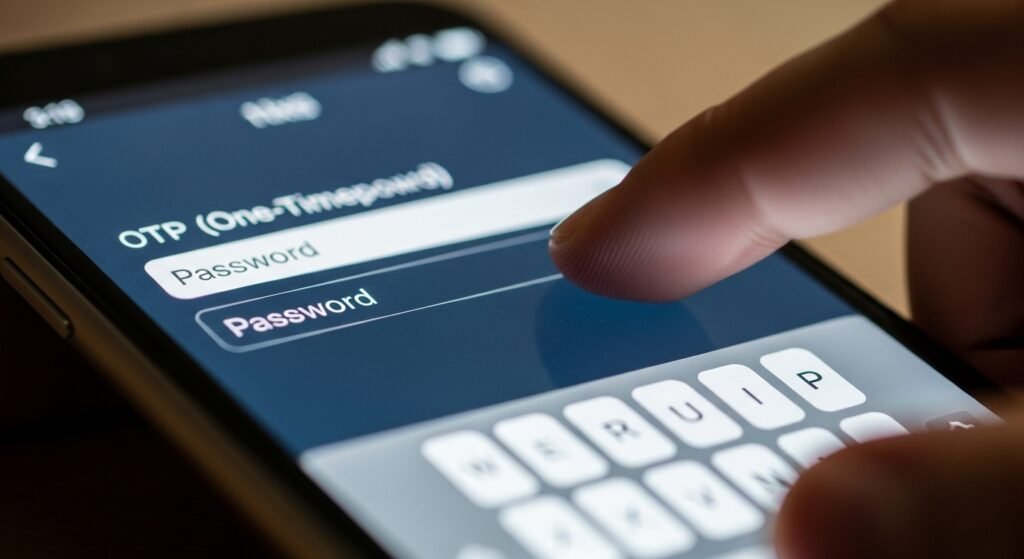
No legitimate institution asks for passwords, one-time codes, or PINs over calls or messages. Anyone who does is waving a giant red flag.
Poor Language
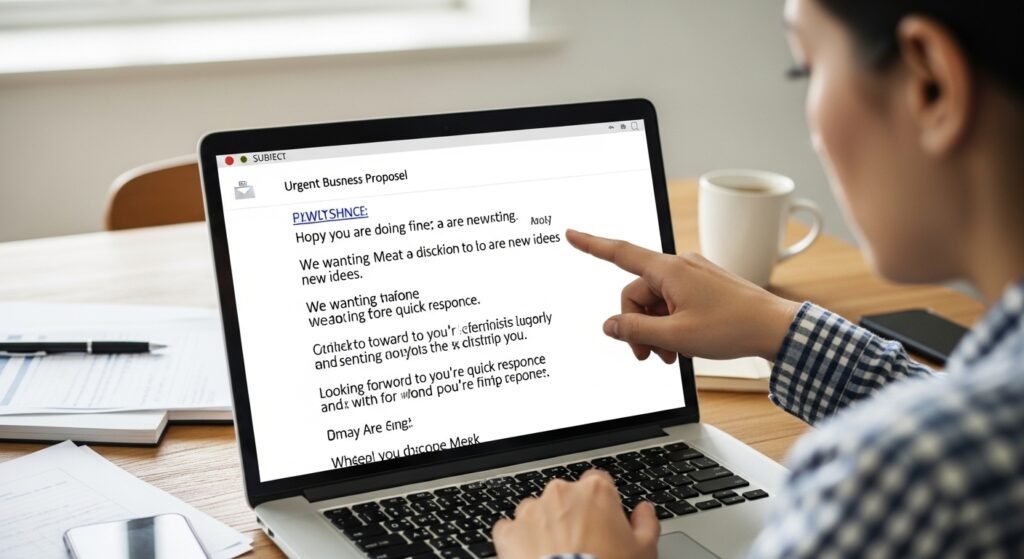
Many scams still contain spelling errors or awkward phrasing. It isn’t a foolproof signal, but bad grammar often means the message didn’t come from a professional source.
Fake Authority
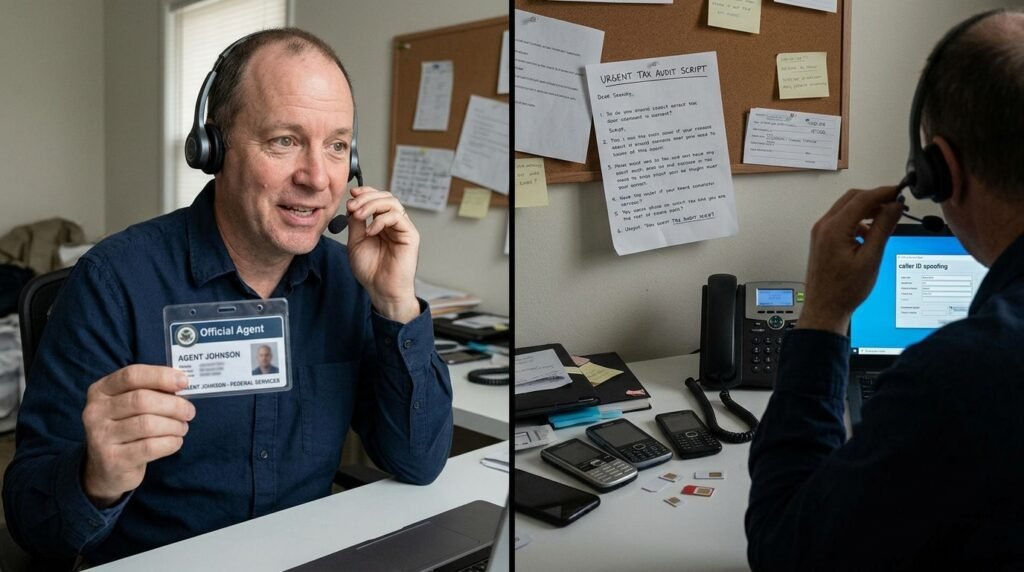
Scammers impersonate banks, government offices, and well-known companies, borrowing their credibility to earn your trust. When in doubt, call the organization directly using a number you find yourself.
Payment Tricks

Demands to pay with gift cards, cryptocurrency, or direct transfers should set off alarms. Legitimate businesses use secure, traceable payment methods.
Emotional Hooks

Some scams run on emotion — fear of losing money, or sympathy for someone in trouble. Experts advise staying calm and thinking logically instead of reacting.
Verify Before You Act

Double-check before you act. Cross-check information, search for reviews, or ask someone you trust. A few minutes of caution can save you from a major loss.
