
Traditional credit card use is declining, especially among younger people who prefer digital payment methods with real-time expense visibility. Most now choose instant-visibility payment systems over the credit cards their parents saw as an adulthood essential.
1. Skepticism about Hidden Debt
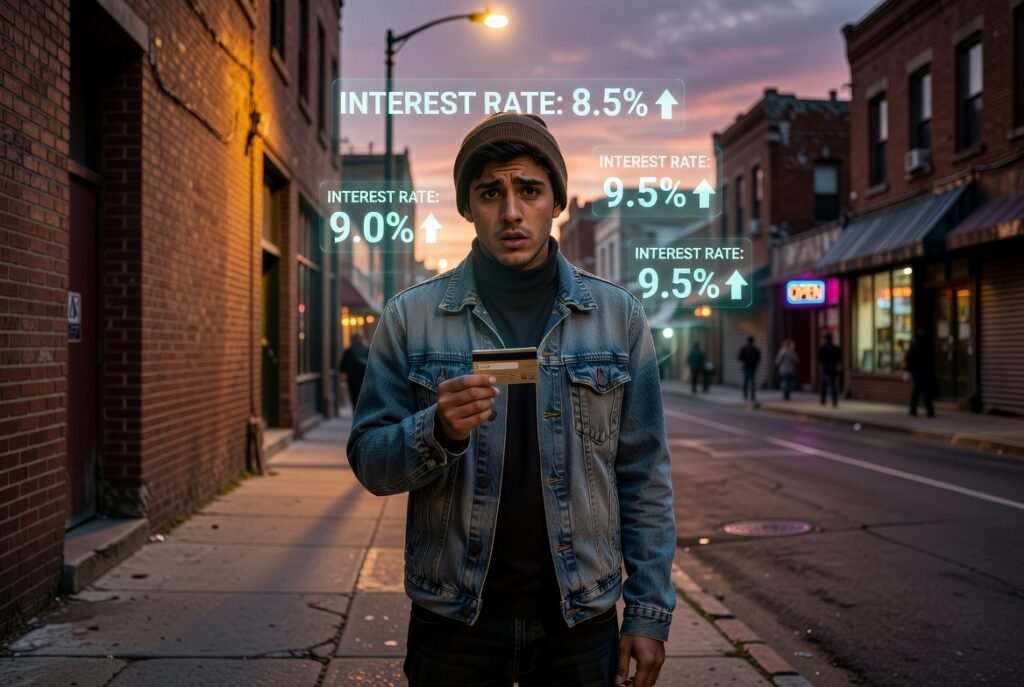
Credit cards let people spend without feeling the cash leave their hands, which creates real mental distress. Many want to escape the cycle where high interest keeps them from ever paying down the original balance.
2. The Need for Immediate Financial Visibility

Modern consumers want to watch their balance drop the moment they pay. Raised on instant notifications, they expect the same immediacy from their money and choose tools that show their financial position at every moment of the day.
3. The Growth of “Buy Now, Pay Later” (BNPL)

Fixed installment plans are replacing revolving credit. Many find four equal interest-free payments easier to manage than deciphering credit card statements. The structure offers flexibility without the trap of open-ended debt.
4. Distrust of Major Bank Institutions

Younger consumers increasingly view credit card companies as predatory, profiting from customer mistakes. Digital-first fintech apps are winning their trust as traditional banks lose it.
5. The Mindful Spending Trend

The new trend is intentionality. Credit cards encourage impulse buys by delaying the pain of payment. Spending your own money through debit makes it easier to pause and skip what you do not need.
6. Controlling the Credit-Building Process

People still need credit scores for mortgages and other milestones, but they are building them differently. Rent-reporting services and secured loans now offer a path to good credit without high-limit cards.
7. The “Anti-Consumerism” Movement

Minimalism and experiences now outweigh material ownership for many. Instead of financing furniture and electronics on high-limit cards, people take pride in living within their means.
8. Direct Digital Wallet Payments

Phone-based digital wallets are replacing the physical card swipe. These apps pull directly from bank accounts via instant transfer systems, leaving credit cards as a backup rather than the default.
9. Rejection of High Credit Card APRs

With APRs holding at 20 to 30 percent, most people see poor value in borrowing. Saving up before a major purchase increasingly beats financing it at punishing rates.
10. Financial Independence

People want to make their own financial decisions without banks controlling their lives. Spending your own funds brings a sense of independence that credit lines cannot match.
