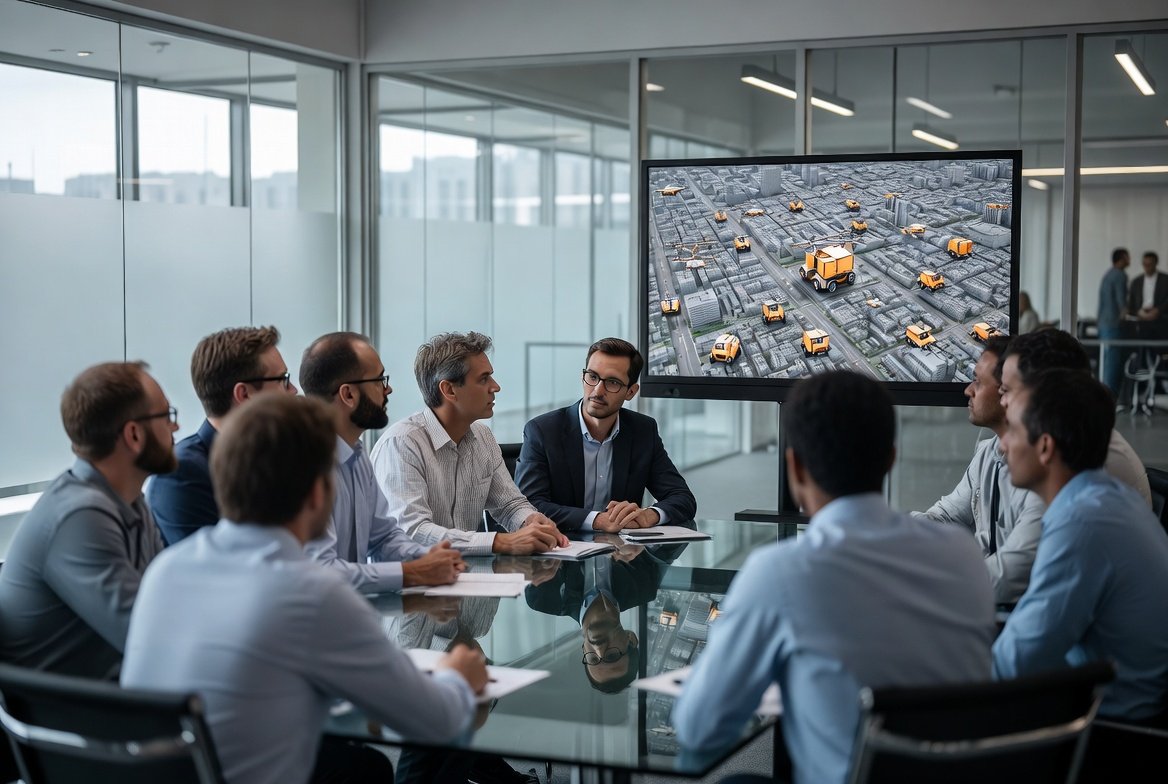
Autonomous delivery robots and drones once seemed destined to conquer the last mile, but startup experts have grown deeply skeptical. The vision of small robots ferrying coffee and groceries through cities collides with harsh real-world obstacles that software updates alone cannot fix.
1. The Unstructured Sidewalk Creates Chaos
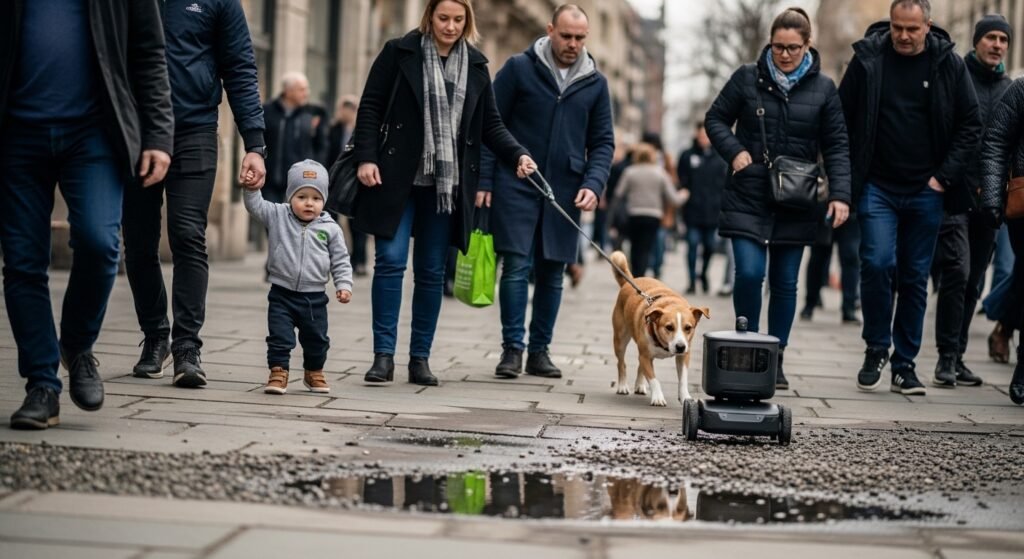
Sidewalks are nothing like highways. Robots must navigate spilled liquids, loose gravel, darting pets, and toddlers. The pedestrian zone demands common-sense reasoning that current AI simply does not possess.
2. The Battery Life Bottleneck
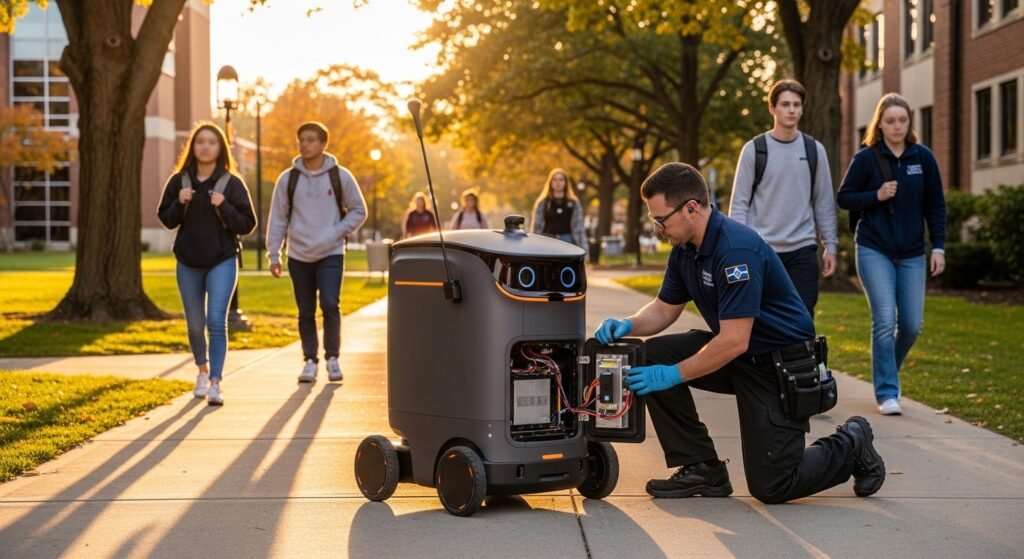
Delivery bots burn most of their battery moving their own heavy hardware, leaving little capacity for cargo. Range anxiety confines many startups to small, flat college campuses rather than real urban centers.
3. Vandalism and Theft Risks
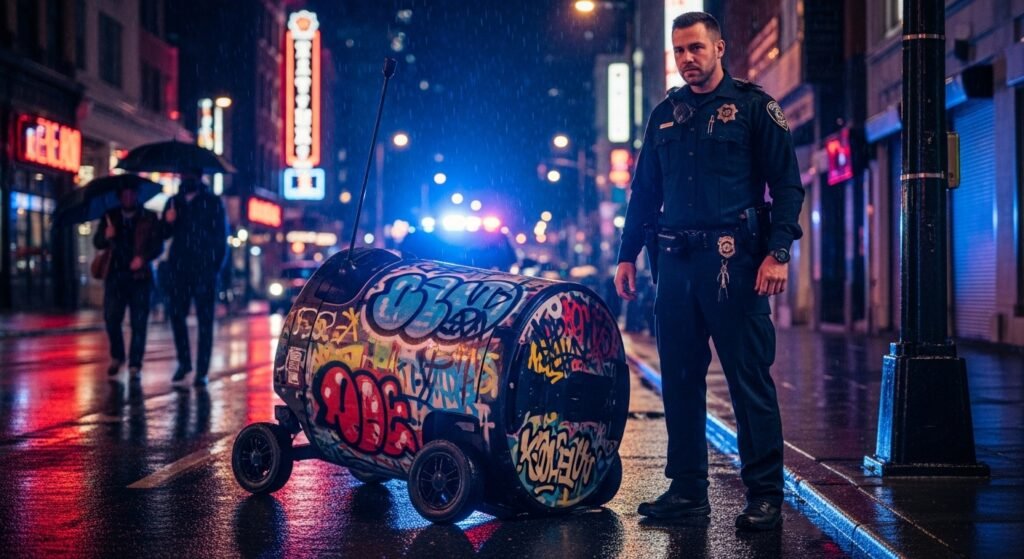
Packed with valuable electronics and goods, robots invite theft and vandalism. Tipped over, spray-painted, or broken into, they rack up fleet maintenance and security costs that dwarf the revenue from five-dollar deliveries.
4. The “Urban Clog” Problem
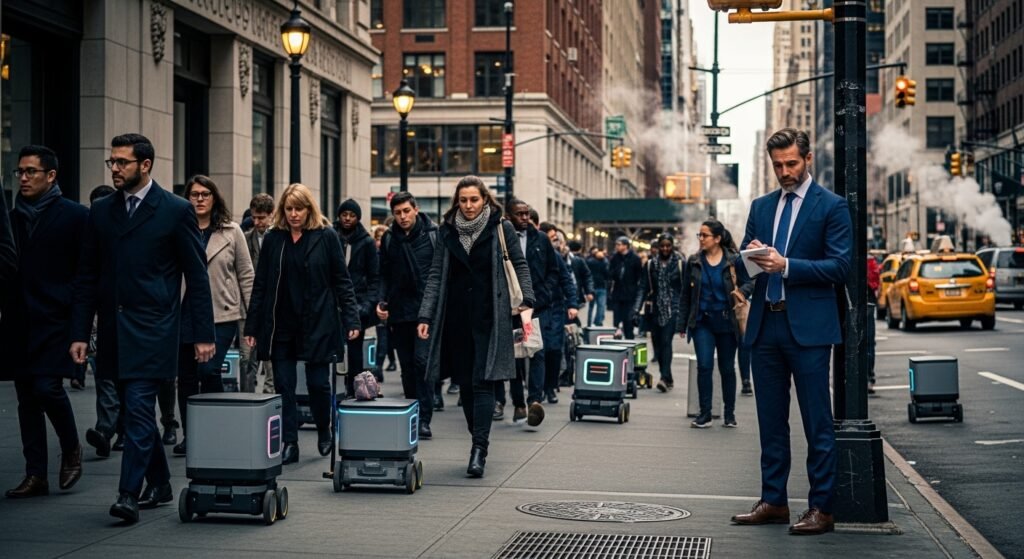
Cities are already crowded. Deploying hundreds of robots on busy sidewalks in places like New York and London creates public backlash, and regulators are moving to cap how many machines can operate on a path at once, undermining the scale these startups need.
5. Extreme Weather Failures
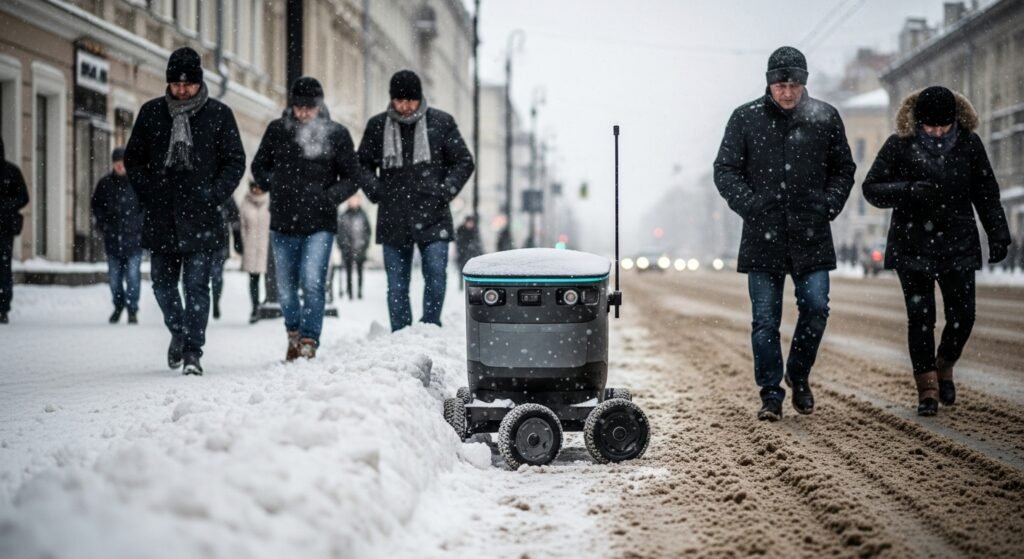
Delivery bots work in fair weather. Heavy snow, deep puddles, and heatwaves blind their sensors and leave them stranded. A service that fails at the first raindrop cannot earn customer trust.
6. The Low Profit Margin Trap
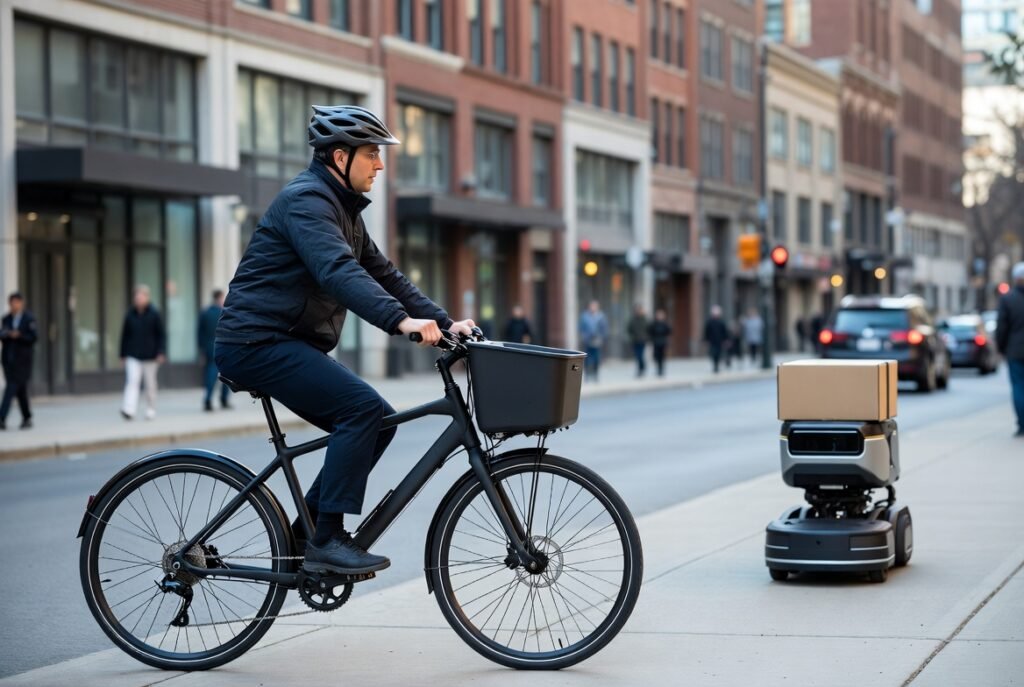
Deliveries earn pennies per transaction, while robot development, operations, and remote human oversight cost a fortune. In many cases, paying bicycle couriers remains cheaper and faster.
7. Regulatory Red Tape
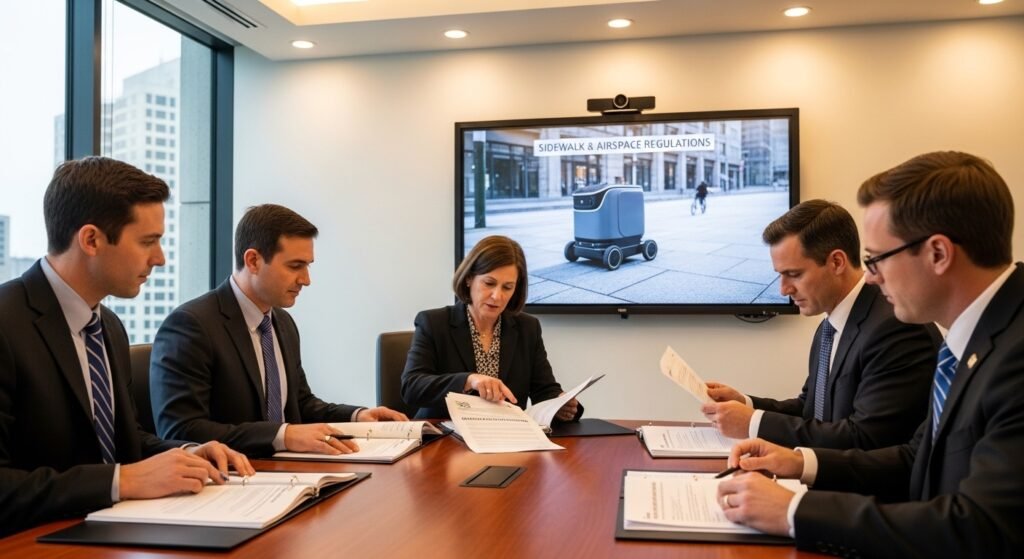
Airspace and sidewalk rights are heavily regulated. Drones face strict line-of-sight rules and robots face weight limits, with requirements varying by city. Complying everywhere makes rapid nationwide expansion nearly impossible.
8. The Difficulty of Apartment Access
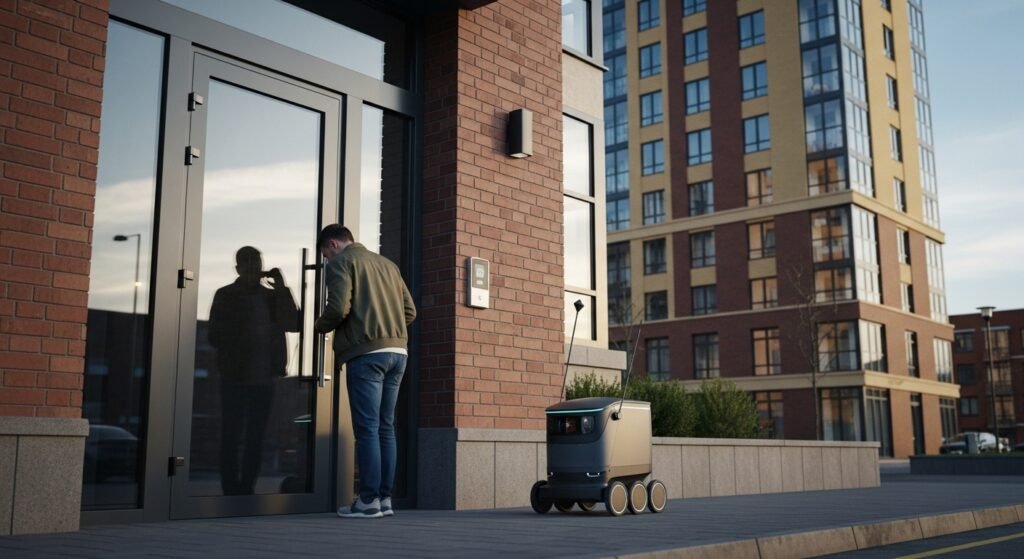
Robots reach front doors but cannot press buzzers, enter lobbies, or ride elevators to the 12th floor. Since apartment buildings make up much of the target market, customers still have to come outside, defeating the purpose.
9. Insurance and Liability Nightmares
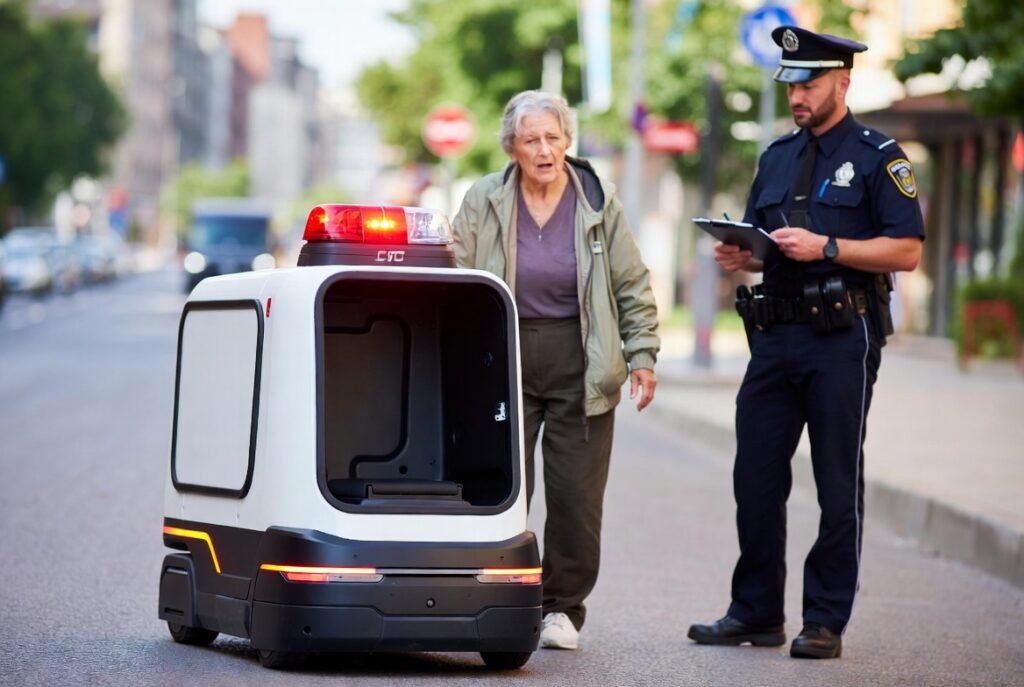
A robot that injures a pedestrian or cyclist triggers serious legal exposure. Insuring autonomous vehicles in public spaces can cost more than any labor savings the robots provide.
10. Sensory Overload in Dense Areas
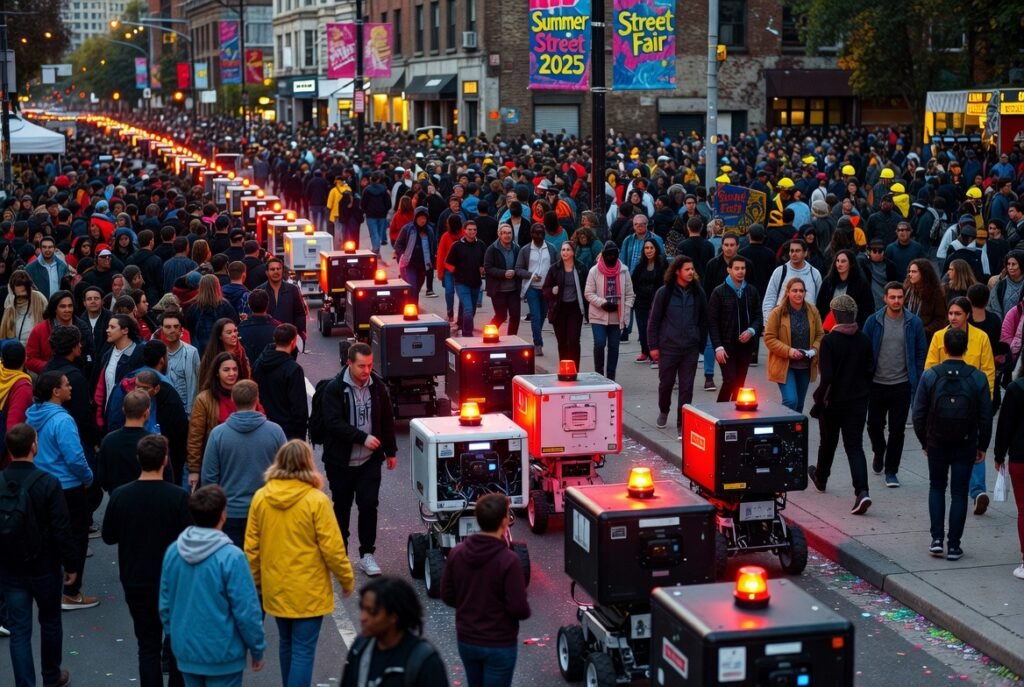
In crowded spaces, robot sensors get flooded with input and default to safe mode, freezing until the area clears. The result is robot traffic jams, with machines unable to thread through a crowd of people.
