
Building wealth depends more on your ability to save than on your total income. Even high earners watch their net worth shrink through stealth traps they never notice — slow leaks that persist because they feel affordable. Plugging these leaks is one of the biggest growth opportunities wealthy people overlook.
The “Lifestyle Creep” Upgrade

When income rises, spending usually follows: better cars, bigger houses, nicer clothes. This “lifestyle inflation” means a professional whose salary doubles can end up saving exactly as much as before — because the mortgage doubled too.
Ignoring Low-Interest “Leakage”

Wealthy people ignore small recurring expenses: premium streaming bundles, club memberships, high-end app subscriptions. A $200 monthly outlay looks trivial — but invested over two decades, it would grow to nearly $100,000. Micro-leaks compound into major wealth losses.
Speculative “Fomo” Investing

High earners chase easy wealth in cryptocurrencies, tech startups, and meme stocks they barely understand. The 2022 NFT crash showed how professionals lost millions pursuing digital trends driven by excitement rather than analysis.
The Total Cost of Ownership

Luxury buyers judge by sticker price and ignore what comes after. A $100,000 European sports car demands specialized insurance, premium fuel, and $2,000 brake jobs — maintenance costs that can equal the car’s purchase price within a few years.
Overpaying for Convenience

Time is money — but convenience spending quietly drains thousands a year: daily food delivery, concierge services for five-minute tasks. Wealthy people pay for time-saving that often saves nothing at all.
Idle Cash and Inflation
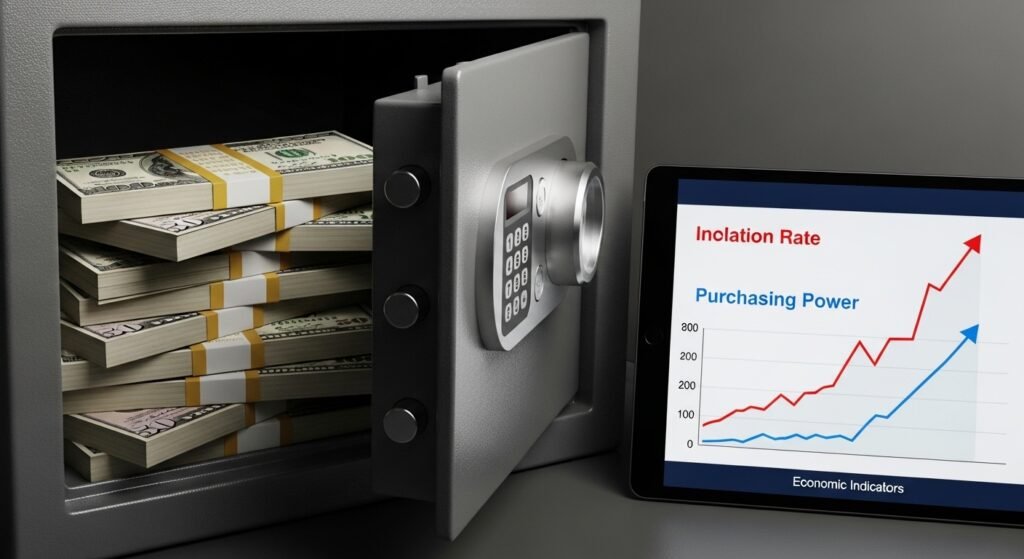
Keeping excessive funds in a basic savings account feels safe, but inflation erodes it relentlessly. At 3% inflation, $1 million in cash loses $30,000 of purchasing power in a single year.
Neglecting Tax Optimization

High earners overpay taxes by skipping tax-loss harvesting and tax-deferred contributions. Going without a tax plan can cost more than a bad year in the stock market.
Emotional Generosity

Handing large sums to relatives or friends without a clear structure is an economic trap. Real-world cases show recipients often become permanently dependent on the support — draining the giver’s wealth indefinitely.
The Professional Athlete Syndrome

Buying jewelry, boats, and high-fashion clothing means buying assets that depreciate the moment they are used. Fame-earning athletes routinely lose everything by parking earnings in things that only lose value.
Underestimating Medical “Black Swans”

High earners skip comprehensive insurance, trusting cash reserves to cover emergencies. But a major health crisis or extended specialized care can cost hundreds of thousands of dollars — wiping out years of savings in one blow.
