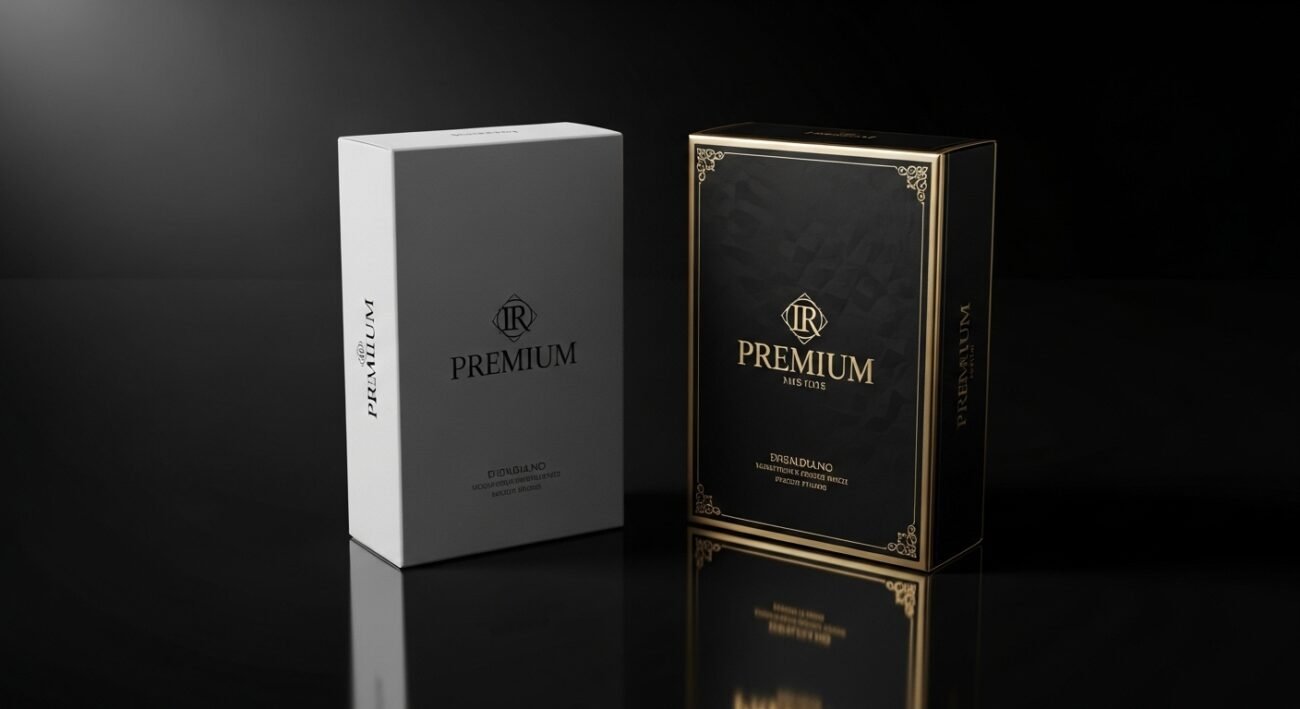
Walk into any store and you will see it: shelves full of products that do nearly the same thing, wearing wildly different price tags. The difference is rarely the product itself — it is the branding. A logo, a story, a feeling: that is what companies sell, and it works astonishingly well. But it raises an uncomfortable question. When you pay double for the brand-name version of something, what exactly are you buying? Real quality, or just the story around it? Branding is not inherently dishonest — a strong brand can signal consistency and trust. Yet somewhere between honest reputation and manufactured desire, many companies have learned to sell the sizzle while quietly shrinking the steak. Here is how the illusion works, and how to see through it.
The Power of How We See
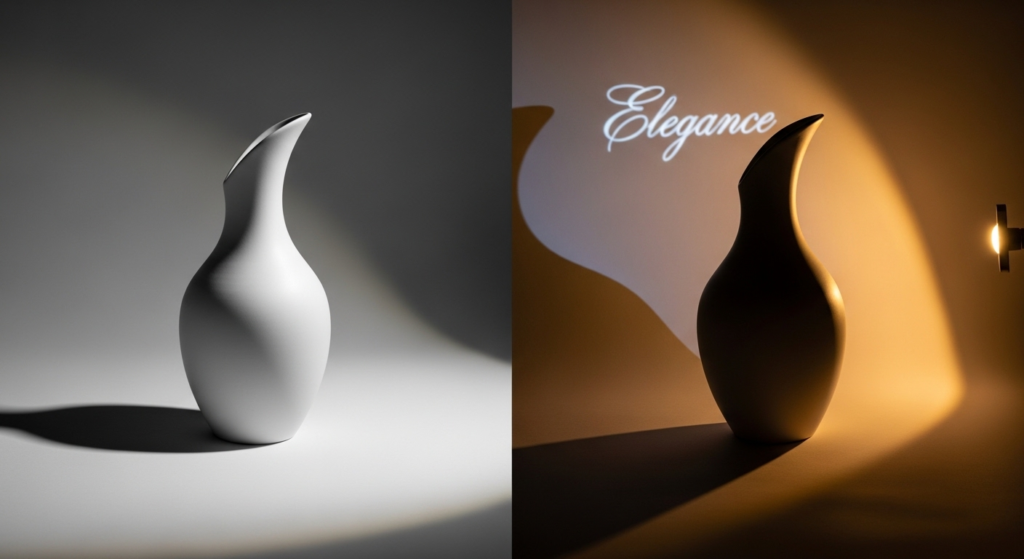
A brand’s real influence lives in perception, not in the physical product. Two shirts from the same factory can feel like entirely different purchases depending on the label inside the collar. Through consistent symbols, colors, and presentation, companies tie value to an idea rather than an object. That is why unboxing videos get millions of views and why packaging design is a serious profession. What buyers see — and feel — can shift dramatically without anything about the product changing at all.
Price vs. Real Value
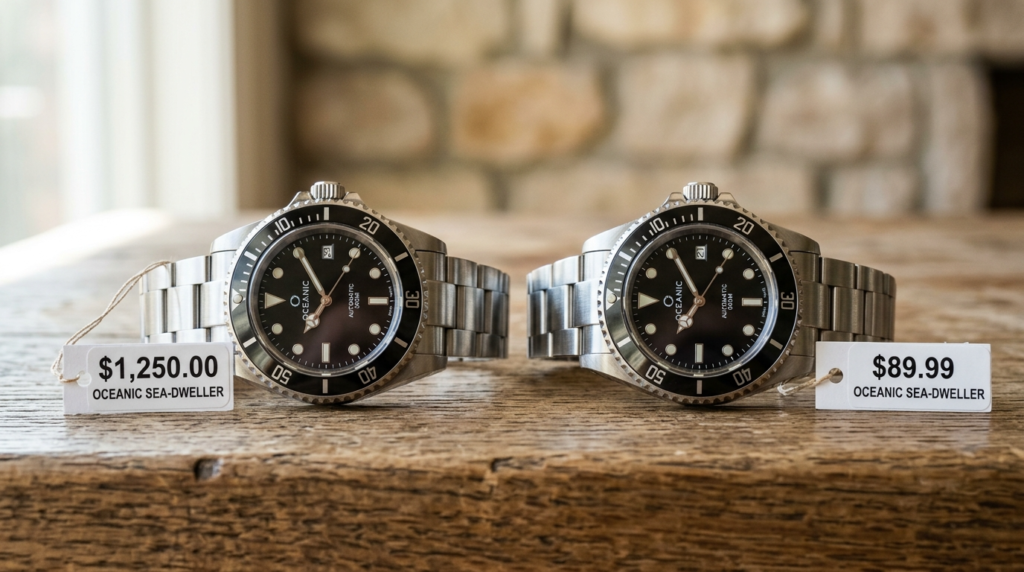
Many branded goods cost significantly more than comparable generic versions, and shoppers are right to be skeptical. Sometimes the premium buys better materials, stricter quality control, or a warranty worth having. Often, though, the extra cost is justified less by performance and more by perception built over years of advertising. The honest question to ask is simple: what does the higher price actually buy? If the answer is a feeling, you are paying for marketing.
Emotional Marketing

Modern branding runs on emotion more than information. Instead of listing features, companies sell visions of a life: the adventurous traveler, the devoted parent, the creative rebel. Ads show sunsets and friendships, not specifications. This works because human beings make most buying decisions with their feelings and justify them with logic afterward. There is nothing wrong with loving how a brand makes you feel — until the feeling is all there is.
The Social Status Factor

People often choose brands to signal who they are — or who they want to be seen as. A visible logo can speak of success, taste, or belonging, even when the product inside performs no better than a cheaper alternative. Luxury houses have built empires on this insight. The product becomes a membership badge. Recognizing this does not mean you should never buy premium brands — it just means you should know when you are paying for the badge rather than the quality.
Influencers and Their Impact
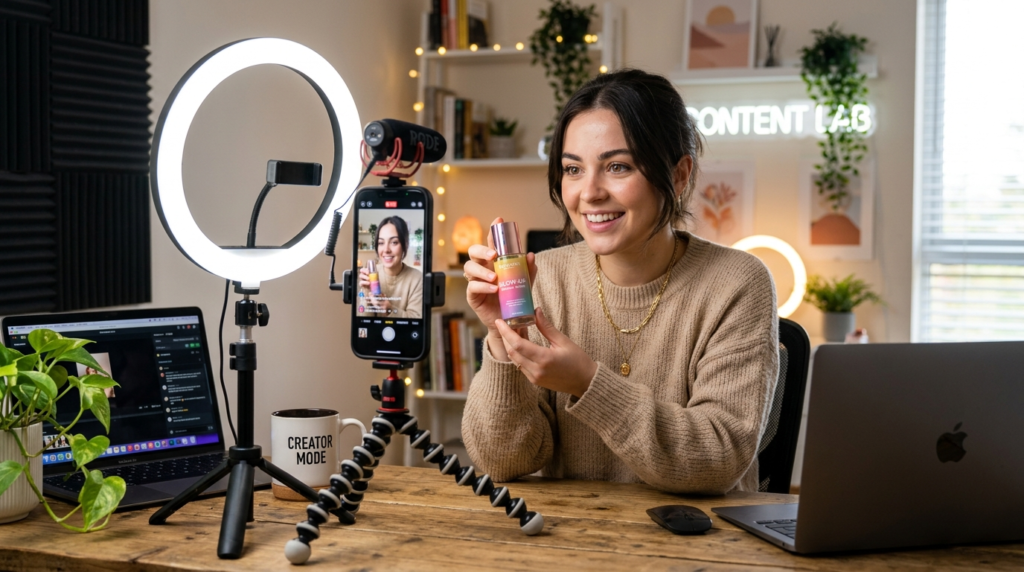
Influencer marketing has given branding a powerful new engine. On social platforms, trusted personalities introduce products to vast audiences with an intimacy that traditional ads cannot match. A recommendation from a favorite creator feels like advice from a friend. But followers rarely see the contract behind the enthusiasm. When every glowing review is a paid partnership, the line between genuine endorsement and advertising blurs — and shoppers are left guessing which opinions are real.
Packaging Over Product
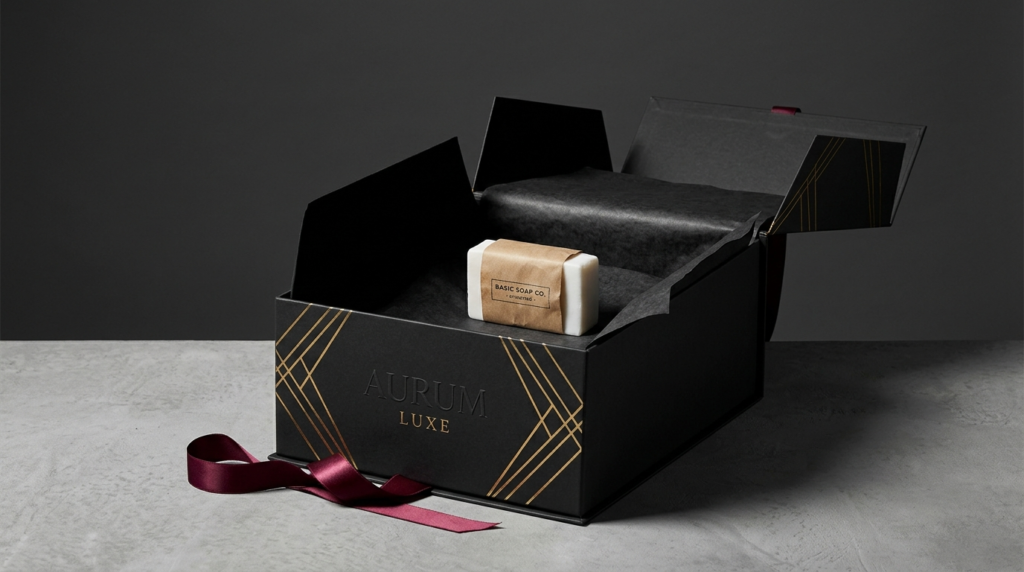
In some industries, companies spend more on presentation, storytelling, and promotion than on improving what they actually sell. The result is a polished exterior that sometimes fails to reflect the quality inside: beautiful bottles with mediocre contents, sleek apps with shaky foundations. Marketing budgets have ballooned while research and development quietly shrinks. When the box impresses you more than what is in it, the priorities are showing.
The Illusion of Choice
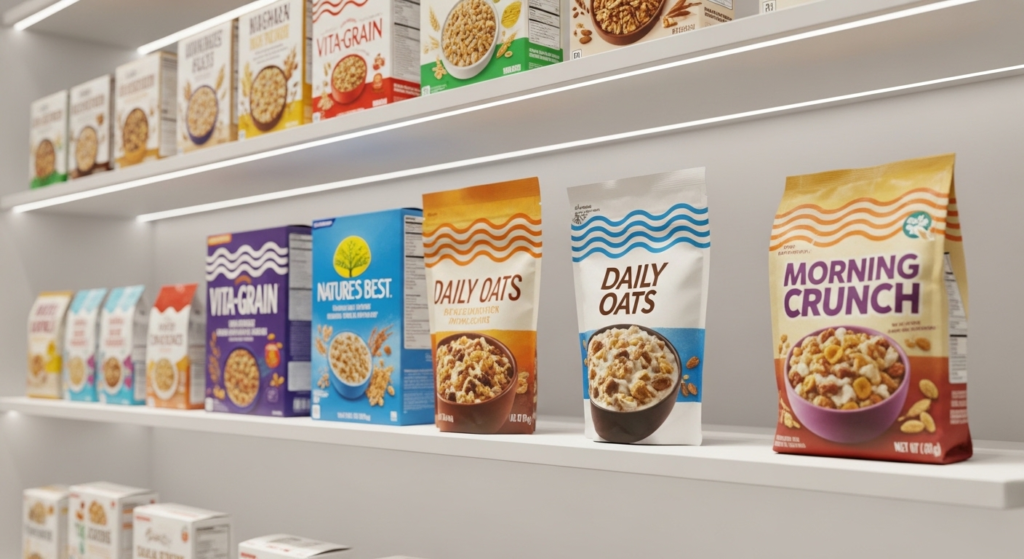
Here is one of branding’s best-kept secrets: many competing brands are owned by the same company. A single conglomerate can control a dozen labels in one category, each with its own personality, price point, and target audience. Shoppers believe they are comparing rivals when they are really choosing between siblings. The competition on the shelf is theater — the profits all flow to the same place.
Branding That Makes a Difference

None of this means all branding is empty. The brands people truly love usually earn it through steady delivery: the product works, the service is reliable, the company keeps its word. Trust built this way is the opposite of hype — it is reputation, compounded over years of kept promises. The difference between a great brand and a hollow one is simple: one is built on what the company does, the other on what it says.
The Growth of Doubtful Shoppers
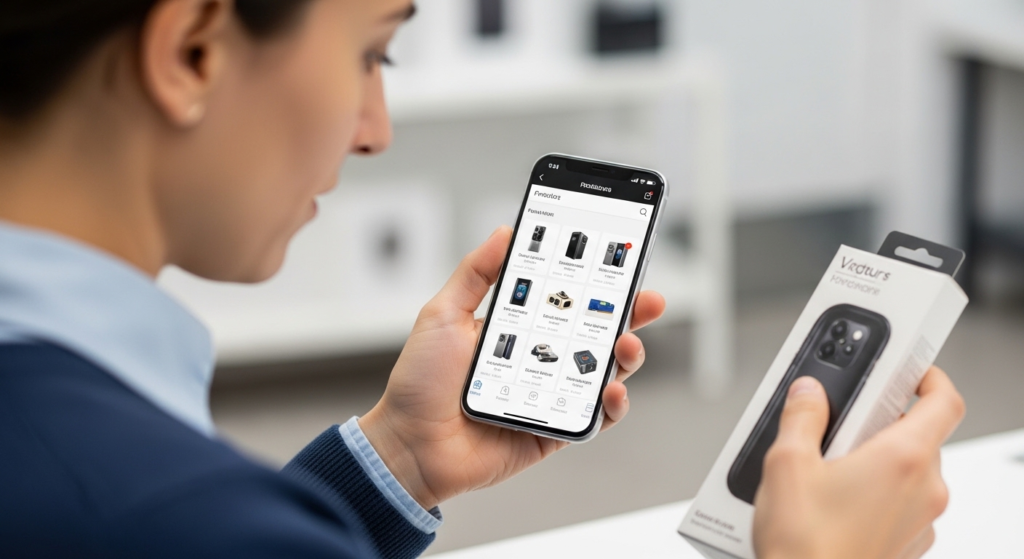
Shoppers are harder to fool than they used to be. Online reviews, side-by-side comparisons, ingredient lists, and teardown videos have given ordinary buyers research tools that once belonged to professionals. A company’s claims are now measured against its actions in public, in real time. Brands that overpromise get called out fast — and the receipts are permanent. Skepticism, once a niche trait, has become the default posture of the informed consumer.
Hype vs. Honest Business
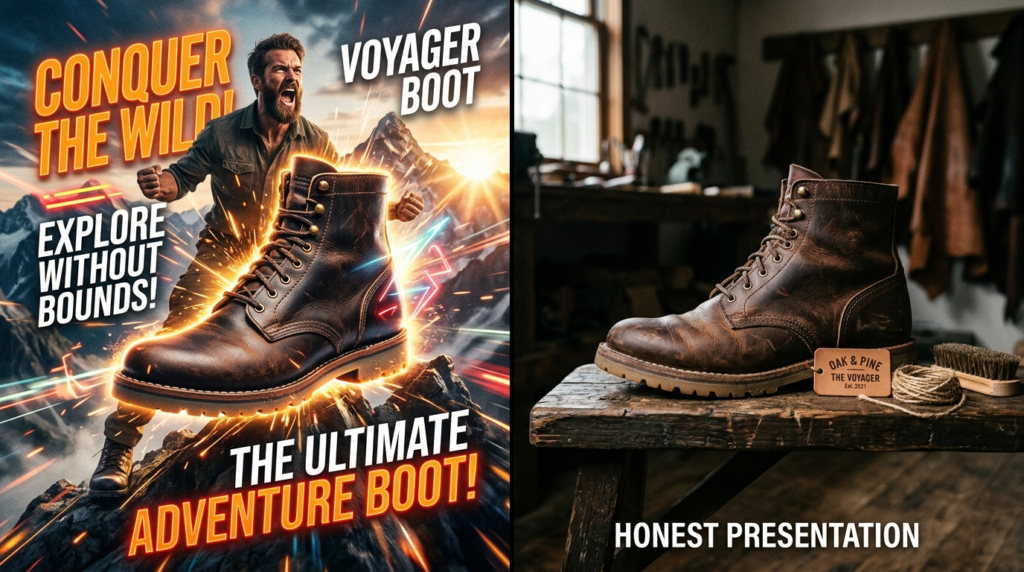
So where does that leave branding? The honest version still matters: it helps good companies stand out, communicates values, and makes markets more legible. But the hype version — the one that substitutes narrative for substance — is losing its power as shoppers get savvier. The brands that will thrive are the ones whose stories check out: where the marketing and the product tell the same truth. In the end, the best branding is not an illusion at all. It is evidence.
