
The creator economy has exploded in the United States over the past few years. What began as people sharing hobbies online — videos, photos, podcasts, newsletters — has grown into a full-fledged industry where independent creators earn real livings doing what they love. Platforms like YouTube, Instagram, TikTok, and Patreon gave ordinary people the tools to build audiences and talk directly to fans, cutting out the traditional gatekeepers of media. The result is a new kind of gold rush: one where the pickaxes are smartphones and the gold is attention.
A Digital Opportunity

The creator economy opened a door that used to be locked. Anyone with a skill or passion — photography, gaming, cooking, teaching, comedy — can now find an audience for it. The barriers that once kept regular people out of media (expensive equipment, industry connections, distribution deals) have collapsed. Talent still matters, but access no longer depends on permission from above.
Platforms That Power Creators
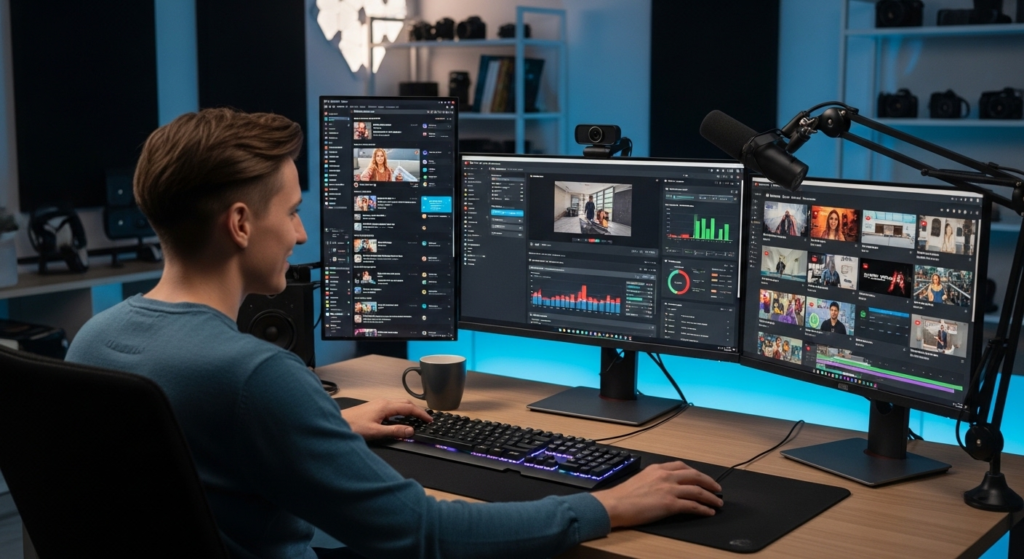
YouTube, TikTok, Instagram, and Twitch form the infrastructure of the creator economy. They provide the stage, the audience, and the business model: ad revenue sharing, subscriptions, tips, and built-in shops. Each platform has its own culture and economics, and smart creators learn to play to each one’s strengths. The platforms take their cut, but they also do something remarkable — they let a teenager in Ohio reach millions without spending a dollar on distribution.
From Hobby to Career
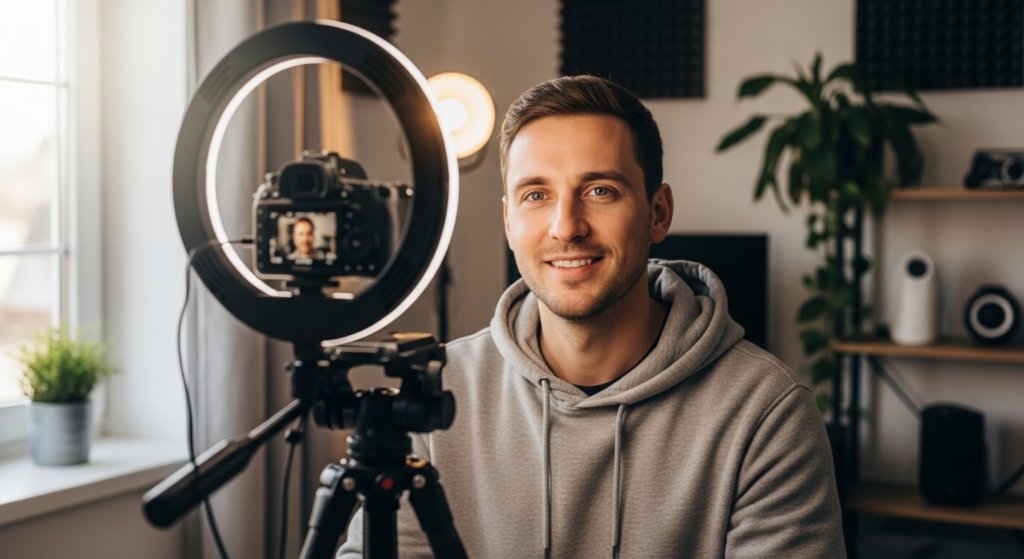
What started as fun has become serious business. Many creators now treat content as a full-time career, and the successful ones operate like small companies — hiring editors, managers, and marketing help. The line between influencer and entrepreneur has blurred beyond recognition. For a growing number of Americans, the dream job is not at a corporation anymore; it is a channel, a newsletter, or a brand of their own.
The Rise of Personal Brands
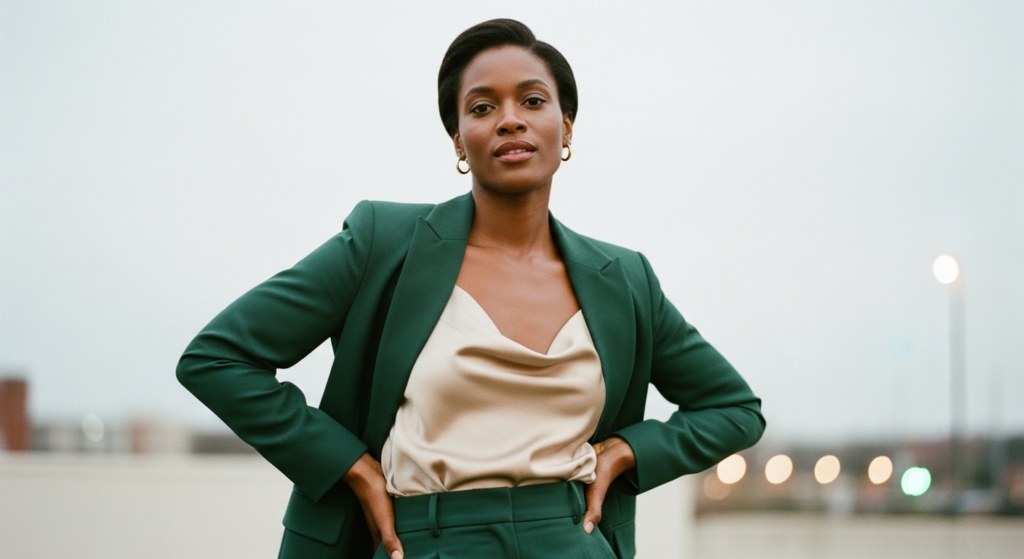
In the creator economy, the person is the brand. Audiences follow people, not companies — they are drawn to personality, authenticity, and stories they can relate to. That is why the most successful creators invest as much in trust as in content: replying to comments, sharing behind-the-scenes moments, letting followers feel like insiders. In a world of infinite content, connection is the scarce resource.
Brands Enter the Space

Companies have noticed. Instead of relying solely on traditional advertising, brands now partner with creators to reach audiences in ways that feel genuine. A recommendation from a trusted creator carries weight that a banner ad never will. This has created a thriving sponsorship market — though it also raises questions about disclosure and authenticity when every enthusiastic review might be a paid partnership.
Multiple Income Streams
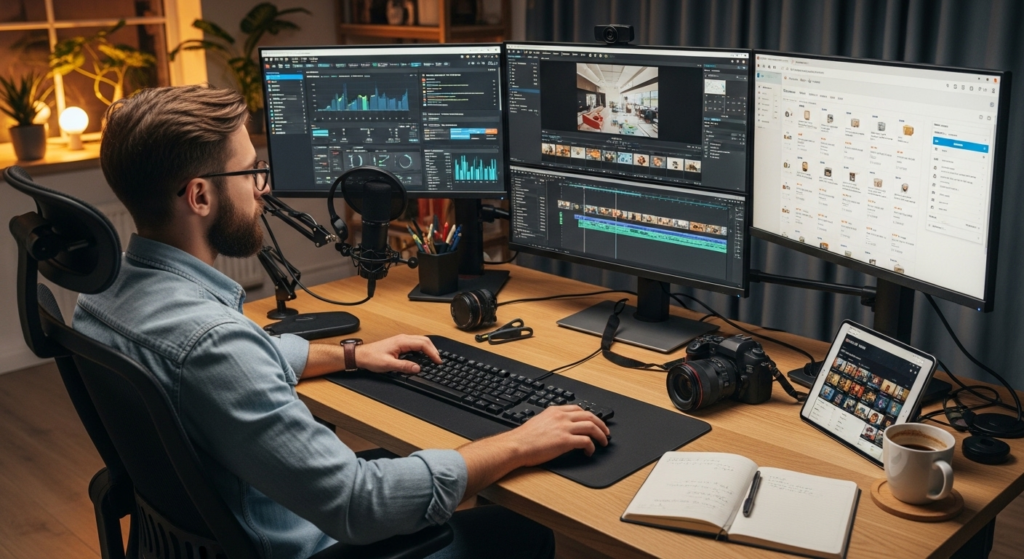
Successful creators rarely depend on a single paycheck. The smart ones stack revenue: ad income, brand sponsorships, merchandise, online courses, paid memberships, affiliate links. Diversification is not just good business — it is survival, because any single platform can change its algorithm or payout terms overnight. The creators who last are the ones who treat their audience as portable and their income as a portfolio.
Technology Fuels Growth
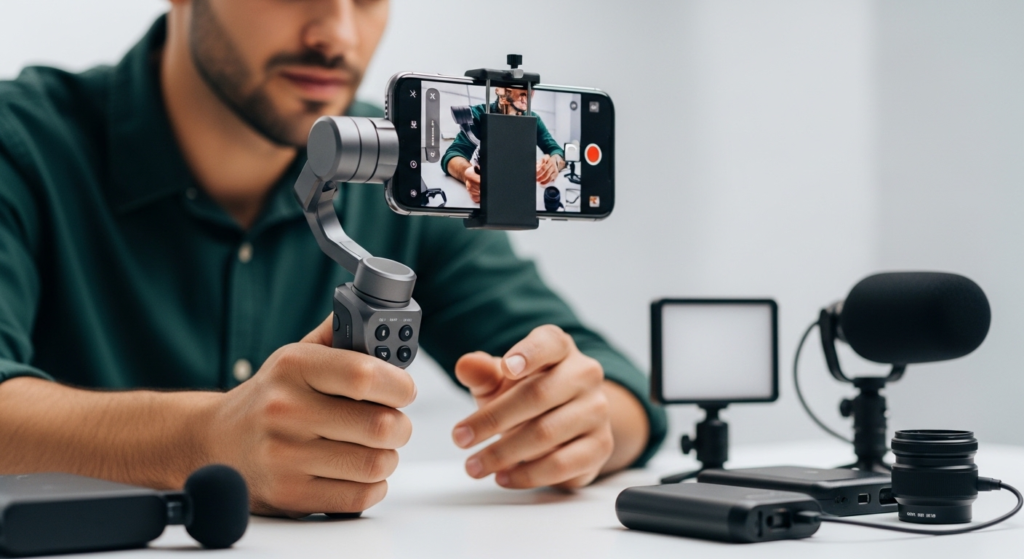
The tools of creation have never been cheaper or more powerful. A modern smartphone shoots video that once required a studio; editing apps put professional polish in every pocket; social platforms distribute it worldwide for free. Someone with a phone and an internet connection can now reach a global audience from their bedroom. The playing field is not perfectly level, but it is flatter than it has ever been.
The Role of Communities
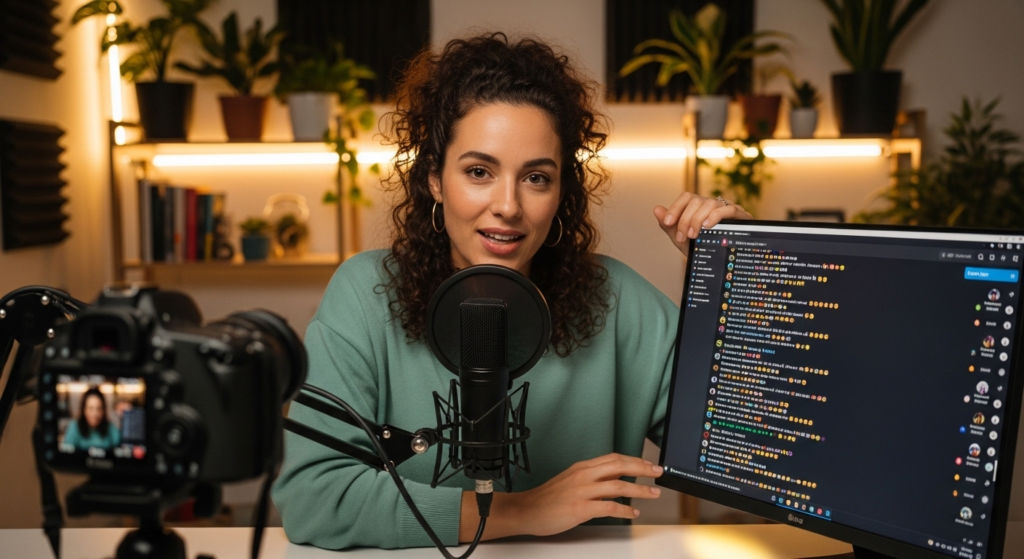
Behind every successful creator is a community that sustains them. Loyal followers subscribe, donate, share, and defend — turning passive viewers into active supporters. The strongest creator businesses are not really selling content; they are cultivating belonging. That community is also the ultimate moat: algorithms change, but a devoted audience follows its favorite creator anywhere.
Challenges Behind the Glamour

The highlight reels hide a harder reality. Platform rules shift without warning, competition is brutal, and the pressure to produce constantly leads to burnout. Many creators describe the treadmill: the algorithm rewards frequency, so rest feels like falling behind. Income is unpredictable, benefits do not exist, and relevance can vanish in months. The gold rush made some people rich — but prospecting was never easy.
A Cultural Shift

Beyond the business story, the creator economy signals something deeper: a changing American idea of work itself. For generations, success meant a steady job at a respected company. Now millions see independence — creative control, flexible hours, being your own boss — as the real prize. Whether that dream delivers for most people is still an open question. But the shift in aspiration is real, and it is reshaping what a good job means.
