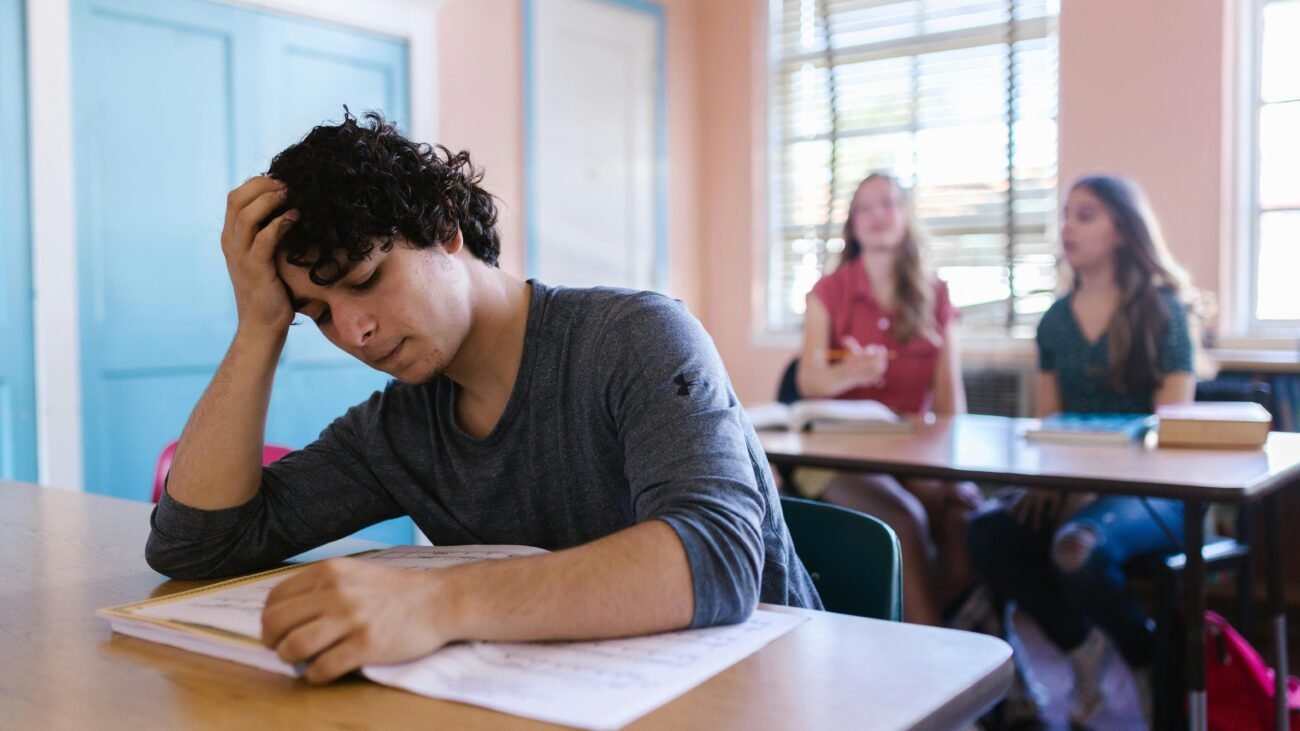
Schools are good at teaching equations, timelines, and facts. But there’s something just as important they rarely teach: believing in yourself. Plenty of students graduate knowing their textbooks well, yet freeze in conversations, hesitate over decisions, and fear making mistakes. When every assignment demands perfect results and every rule is rigid, self-belief quietly erodes. Students walk away knowing the test answers but doubting what they’re truly capable of — and that doubt follows them into job interviews, careers, and setbacks for years after they leave the classroom.
Fear of Mistakes
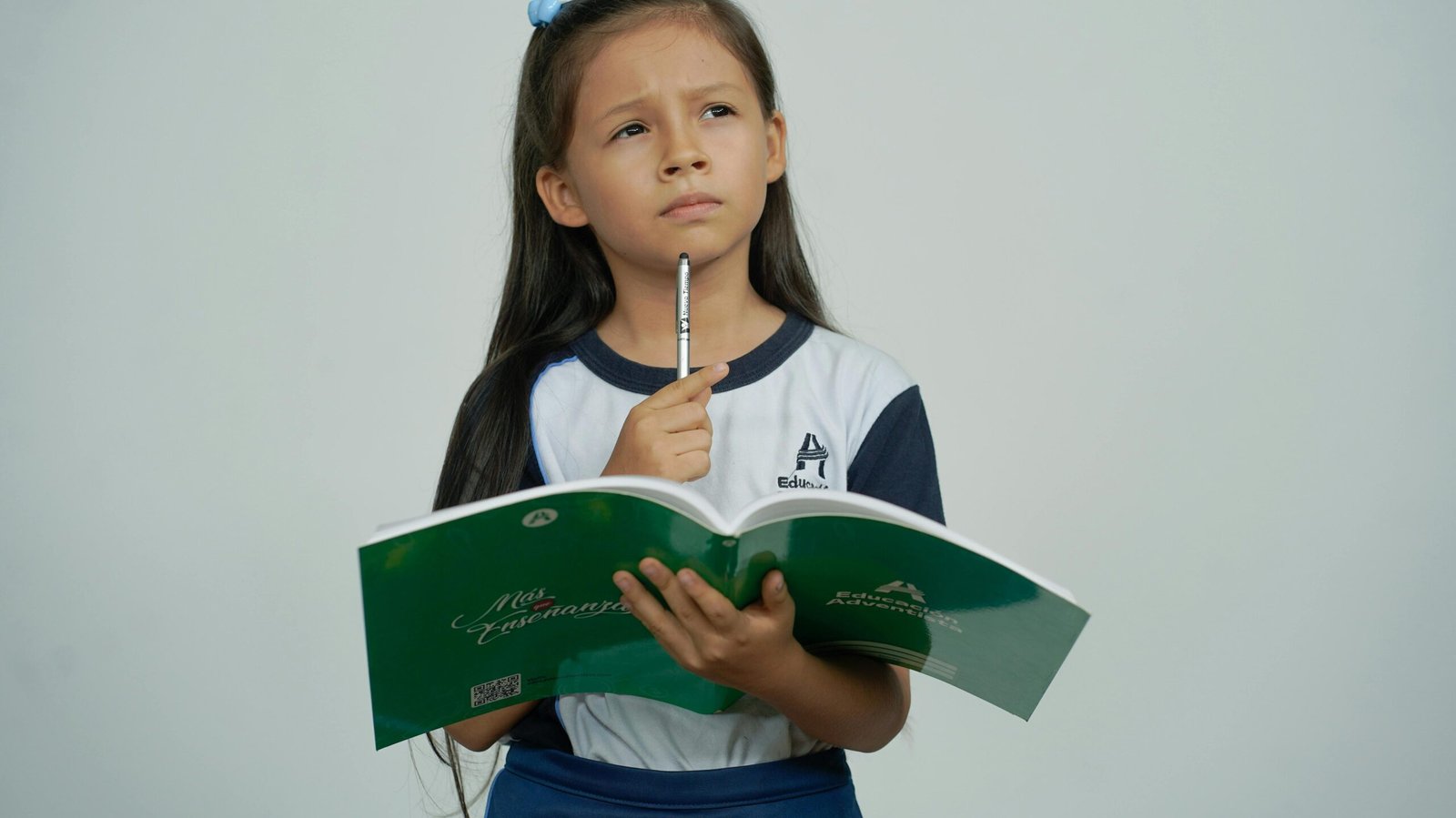
Inside school walls, mistakes are treated as failures rather than what they actually are: the raw material of learning. When getting something wrong means a lower grade or public embarrassment, students stop taking intellectual chances. They choose the safe answer over the interesting one, stay silent instead of guessing, and gradually learn that avoiding errors matters more than understanding ideas. A classroom where mistakes are punished is a classroom where curiosity goes to hide.
Focus on Grades

Success gets reduced to a letter on a report card. Grades measure how well a student performs on tests, but they say nothing about creativity, leadership, persistence, or original thinking — the qualities that actually determine how far someone goes. When the grade becomes the goal, students optimize for the test instead of the learning: memorizing instead of understanding, playing it safe instead of exploring. The transcript looks fine; the confidence underneath it stays thin.
Limited Speaking Opportunities

Many students sit through entire courses without ever speaking up in a meaningful way. They listen, take notes, and stay invisible — and with each silent semester, voicing an opinion feels harder. This matters because the ability to speak clearly, argue a point, and present ideas is one of the most valuable career skills there is. Schools that never require students to find their voice graduate adults who have plenty to say but no practice saying it.
Comparison Culture

One student finishes the test in twenty minutes while another is still on question three — and both draw conclusions about their worth from that gap. Public rankings, curved grades, and honor rolls turn learning into a contest where someone always lands near the bottom. Speed gets confused with intelligence, and students who think deeply but slowly internalize the message that they’re behind. Comparison doesn’t motivate most students; it convinces them the race was lost before it started.
Creativity Gets Less Space

When every lesson follows a rigid plan aimed at a standardized test, curiosity has nowhere to go. There’s no room to chase an interesting question, try an unconventional approach, or build something just to see if it works. Students learn that the right answer is the one in the answer key — not the one they discovered themselves. Over time, the habit of creative thinking weakens from disuse, and students stop trusting their own ideas.
Success Looks Narrow
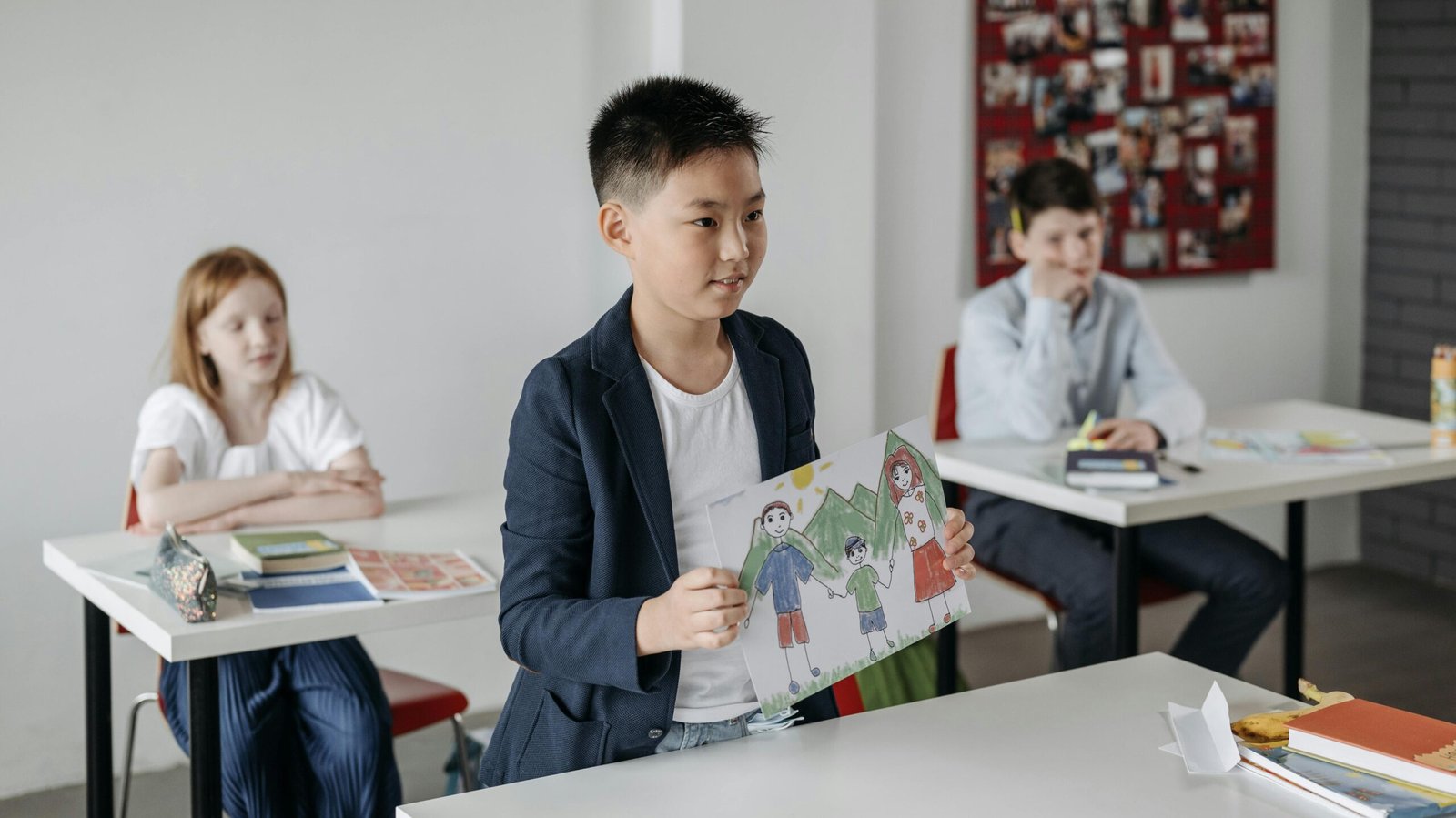
School defines success in a strikingly narrow way: top marks, class rank, admission to prestigious programs. Students whose strengths lie elsewhere — in building things, understanding people, solving practical problems, creating art — can spend years feeling like second-class citizens in the one institution meant to develop them. When the definition of achievement excludes who you are, it’s hard to feel confident about what you can become.
Risk-Taking Is Rare
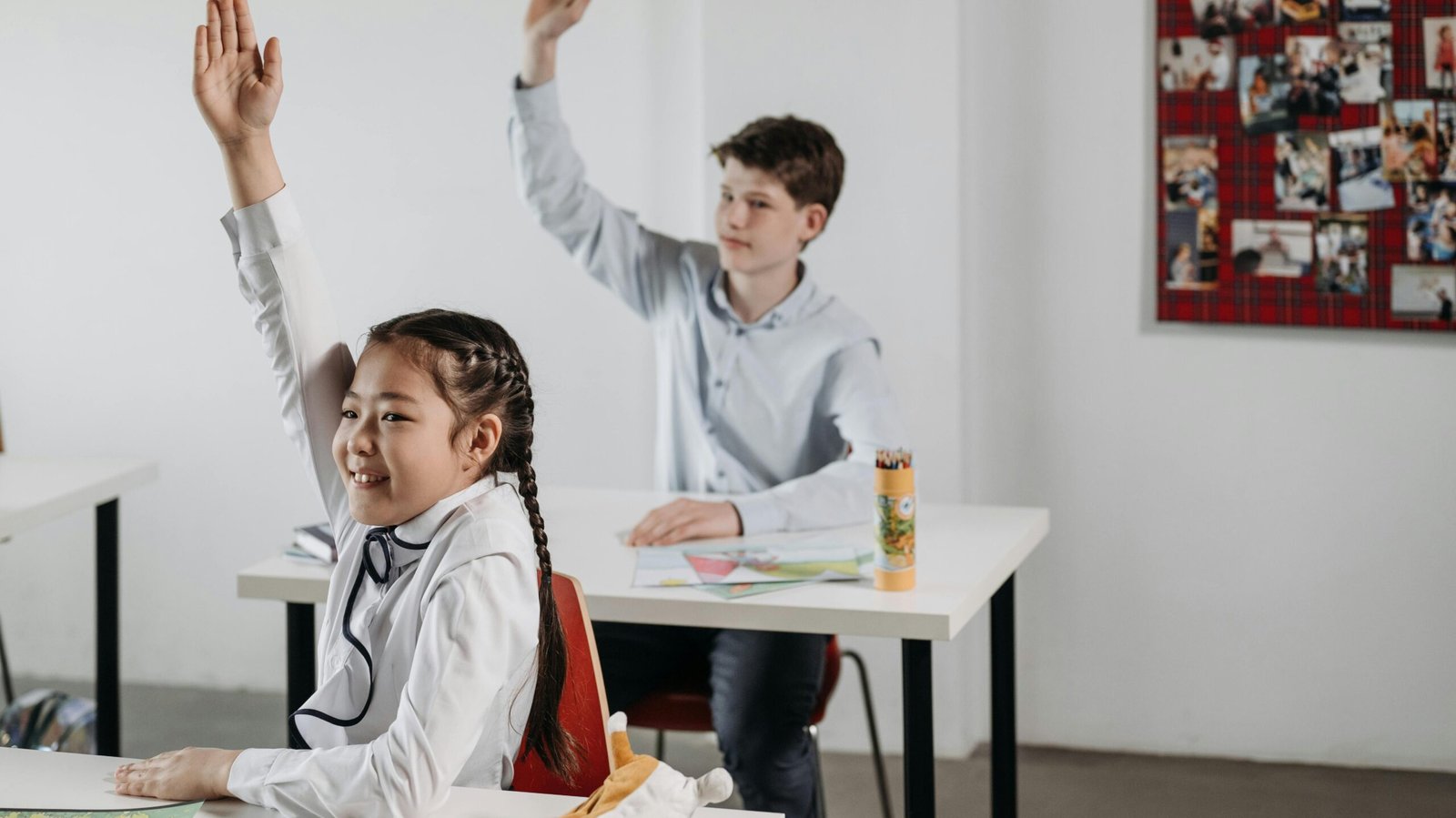
Trying something new means risking failure, and classrooms overwhelmingly reward the cautious correct answer over the daring original idea. Students learn to raise their hand only when they’re sure, write only what the rubric wants, and never venture beyond the expected. But every meaningful achievement — in science, business, art, life — requires betting on an uncertain idea. Schools that punish intellectual risk-taking graduate students afraid to take any kind at all.
Practice Grows Confidence

Confidence isn’t a personality trait — it’s a skill built through repetition. Leading a group, making a decision, presenting to an audience: each gets easier the more you do it. But schools offer surprisingly few genuine chances to practice these things. A single class presentation per semester doesn’t build a speaker. Without regular, low-stakes opportunities to try, stumble, and try again, students’ belief in themselves grows at a crawl — if it grows at all.
Quiet Students Stay Quiet
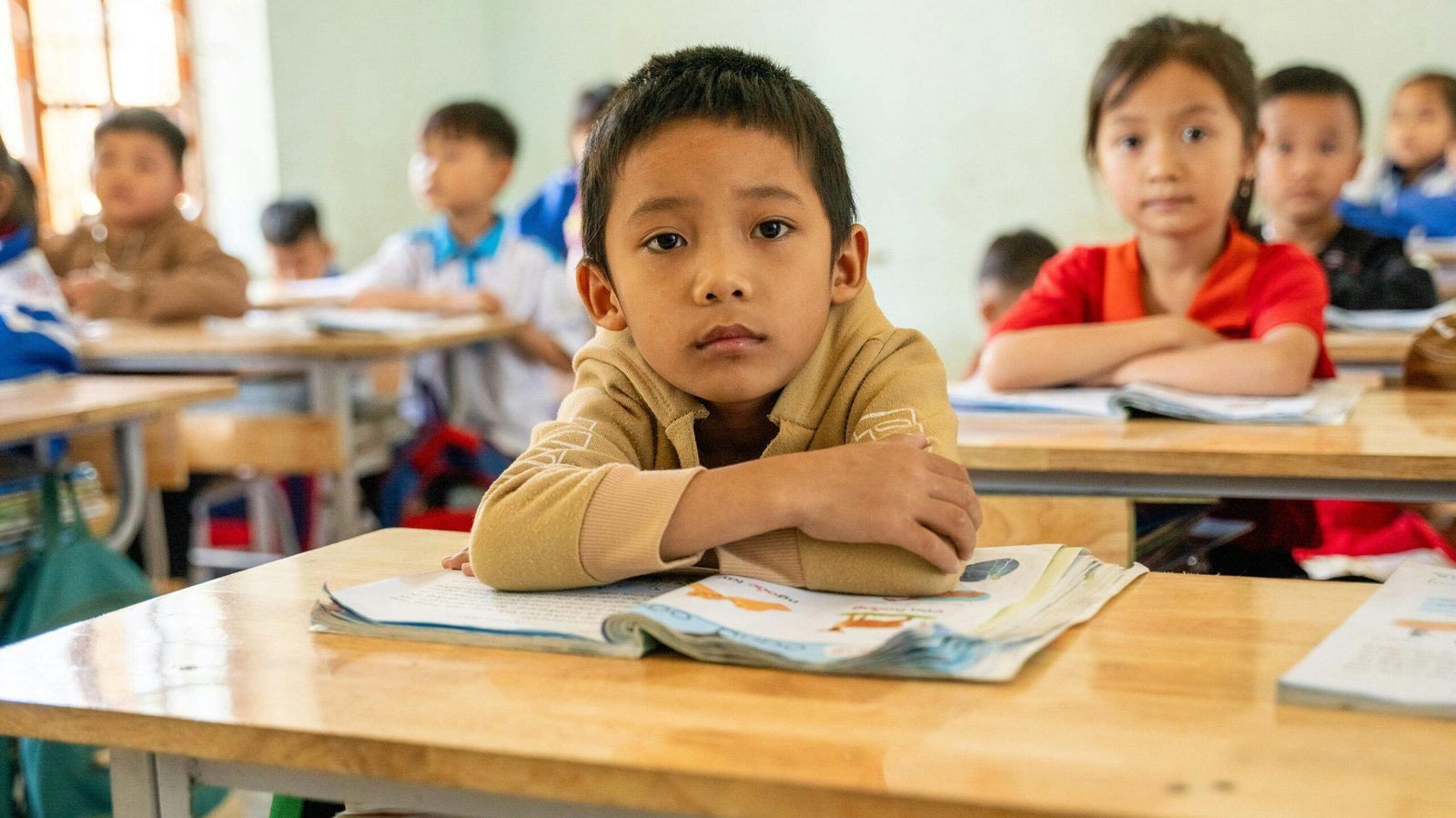
Quieter students often move through school without anyone drawing them out. Class participation structures tend to reward the fastest hand in the air, not the most thoughtful answer — so reflective students stay silent, their insights never invited into the discussion. Being overlooked year after year sends its own message: what you think doesn’t matter enough to be heard. Many capable students graduate without ever discovering their voice was worth developing.
Confidence Shapes the Future
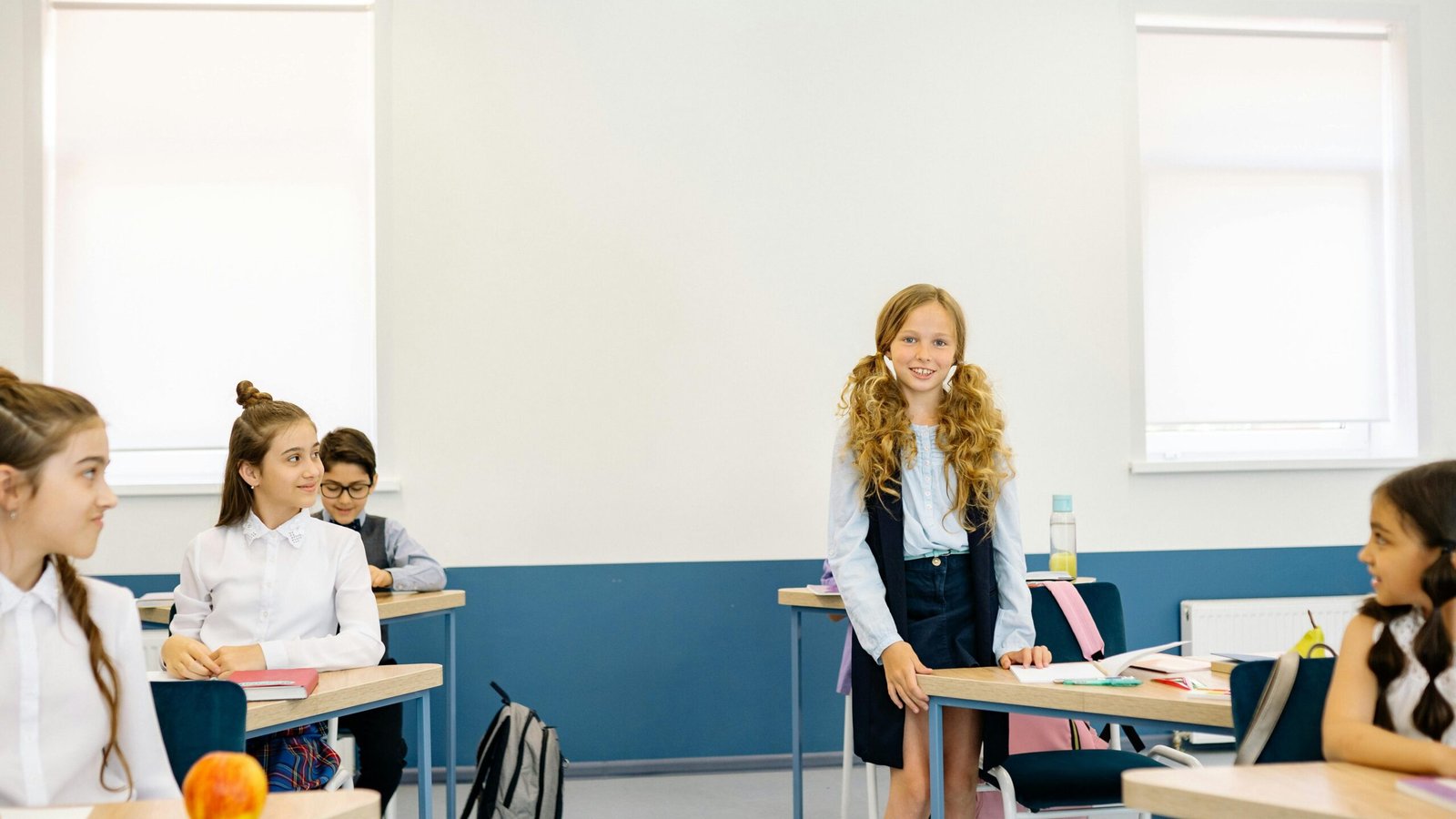
Knowledge without self-belief goes unused. The student who understands the material but won’t speak up in the meeting, the graduate with real ability who won’t apply for the ambitious role — their education is intact, but its value is locked away. Confidence compounds across a career: each risk taken and survived makes the next one easier, while each avoided risk makes the world a little smaller. Schools that ignore this aren’t just leaving a gap in their curriculum. They’re leaving their students unprepared for everything the curriculum was supposed to prepare them for.
