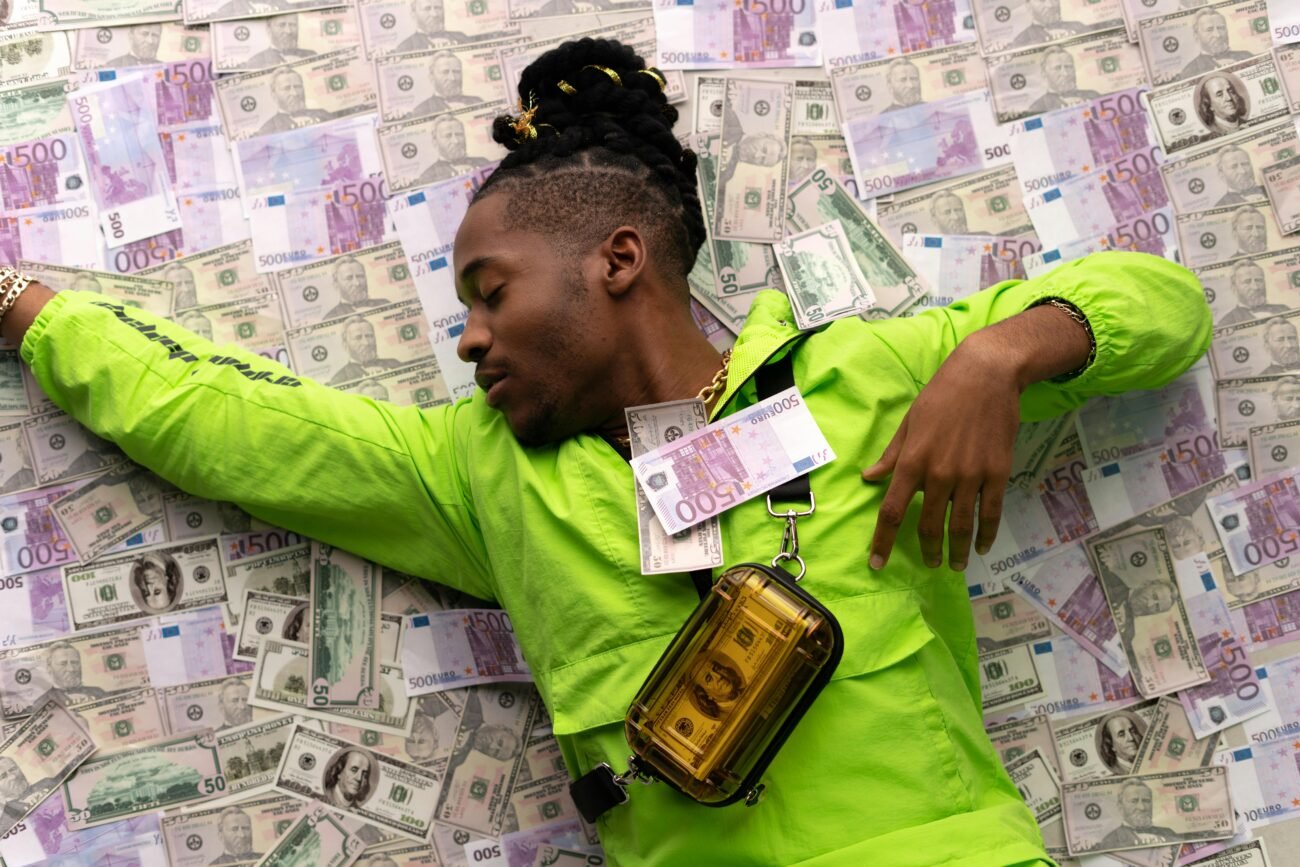
The existence of billionaires has become one of the most debated topics of our era. In a world where millions struggle to afford basic necessities, a small number of people grow richer every year. Supporters see billionaires as visionary entrepreneurs who create jobs, drive innovation, and fuel economic growth. Critics see them as symbols of extreme inequality — proof that wealth is concentrating in fewer hands while the gap between rich and poor keeps widening. The question is no longer just about wealth. It is about fairness, power, and responsibility.
Wealth Beyond Need

A billion dollars is more money than most people could spend in a lifetime. Critics argue that such extreme accumulation raises ethical questions — whether any one person should hold that much economic power. When one person’s fortune could fund entire cities, the scale itself becomes the argument.
The Innovation Argument

Defenders of billionaires say they are the price of progress. The prospect of enormous rewards, they argue, motivates entrepreneurs to take risks that produce new technologies and entire industries. Without the dream of a massive payoff, fewer people would gamble everything on an unproven idea.
The Inequality Problem

A major criticism is that billionaires deepen economic inequality. While their fortunes soar, wages for ordinary workers rise far more slowly. Critics argue that this concentration of wealth distorts the economy in favor of those who already have the most.
Power Without Election

Extreme wealth often translates into political influence. Billionaires can fund campaigns and lobby governments, gaining outsized sway over democratic systems. Critics worry that this gives the ultra-rich a voice far louder than any voter’s.
Job Creators or Wealth Extractors

Companies founded by billionaires are celebrated for creating jobs. But critics counter that the profits are distributed unfairly — workers generate the value while owners capture most of the reward. The question is whether these enterprises spread wealth broadly or concentrate it narrowly.
Philanthropy Debate

Many billionaires donate large sums to charity and social causes. Critics, however, argue that philanthropy lets the ultra-rich decide which problems deserve attention — a form of private power over public priorities. Giving is generous, they say, but it is not the same as justice.
The Taxation Question

Taxation is another flashpoint. Critics contend that through loopholes and sophisticated financial planning, billionaires pay a disproportionately small share of their wealth in taxes. Supporters of reform argue the tax system should ensure the wealthiest contribute fairly.
A Natural Outcome of Capitalism

Some economists argue that billionaires are simply a normal feature of capitalism. Market systems reward innovation and scale with enormous payouts, and extreme winners are the predictable result. On this view, billionaires are not a flaw in the system — they are the system working as designed.
Moral Responsibility

The debate also raises questions of moral responsibility. Many feel that people with extraordinary wealth have a greater obligation to help address society’s problems — from poverty to climate change. With great fortune, the argument goes, comes great responsibility.
A Question of Limits

Ultimately, the debate comes down to whether societies should place limits on wealth accumulation. Some favor stronger redistribution; others warn that heavy restrictions could discourage investment and entrepreneurship. There is no consensus — only a question every generation must answer for itself.
