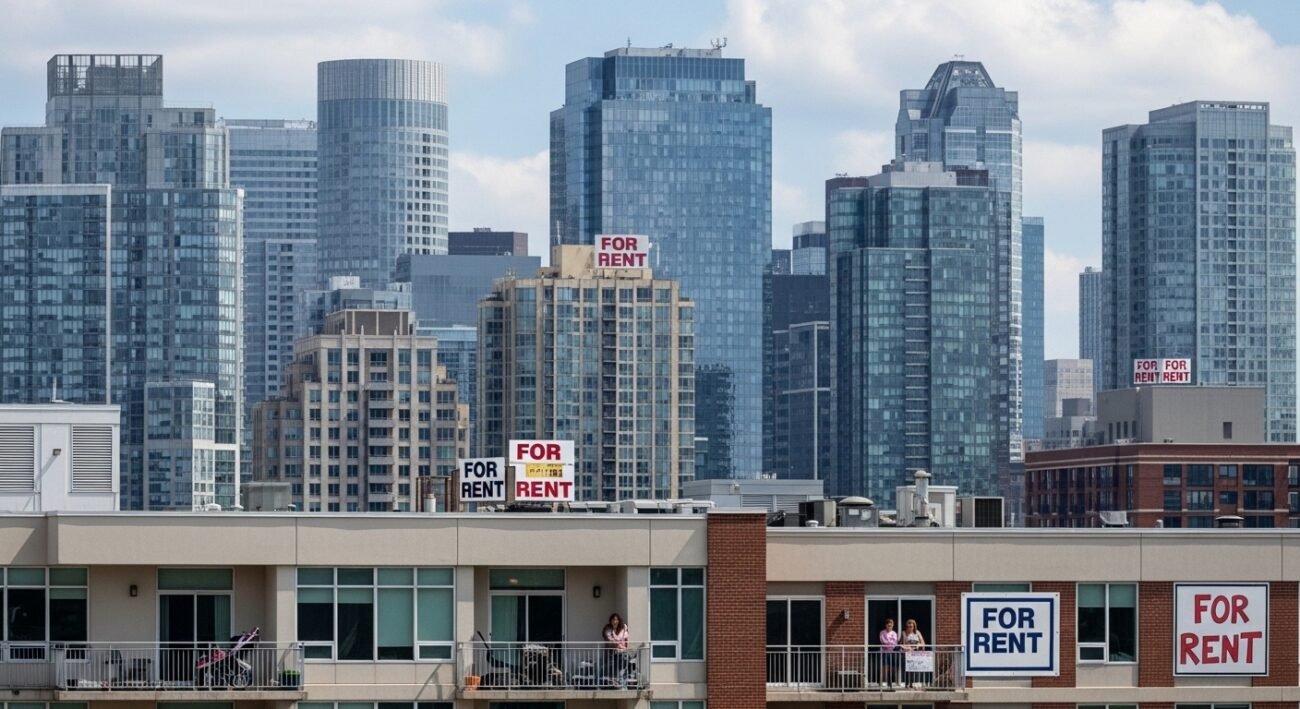
The U.S. rental market reached its first major structural change during early 2026 after persistent growth during previous years which drove many families to financial crisis. The system has transitioned from using 10% emergency rate increases to an environment which presents both excess supply and evolving tenant authority.
The “Supply Wave” Finally Breaks
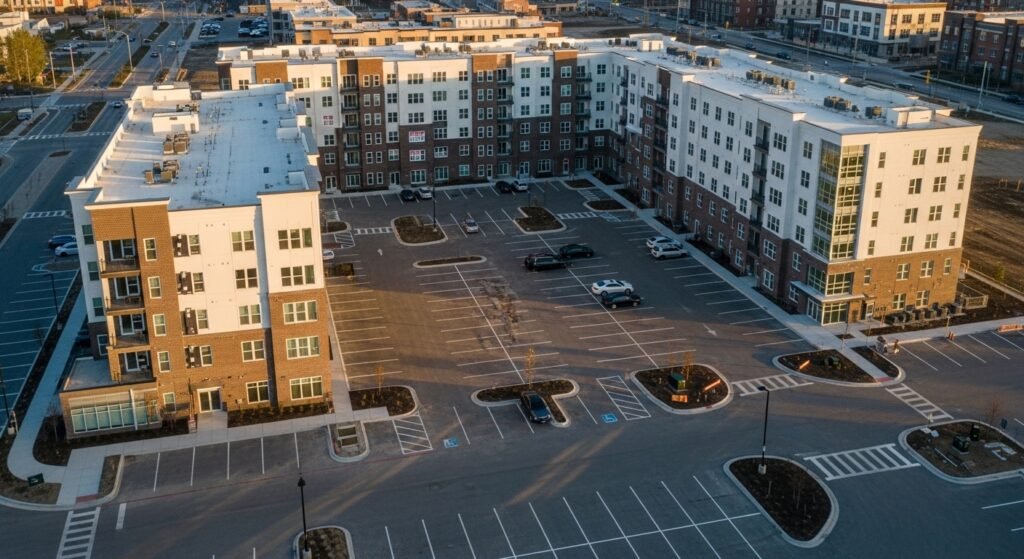
The period from 2023 to 2025 saw an unprecedented number of apartment buildings being constructed and the projects have reached the market as all their components become available. Landlords in most major cities must stop increasing rents because their properties currently have more vacant units than the number of available tenants.
The Return of the “Rental Concession”

Base rent reductions become essential to landlords who need to maintain their property value. Landlords provide substantial base rent reductions through their concessions which include two months of no rent payment and free parking and $1,000 gift cards. The financial benefits of this deal enable renters to reduce their monthly expenses by 15% or higher.
Negative Rent Growth in “Boom” Cities
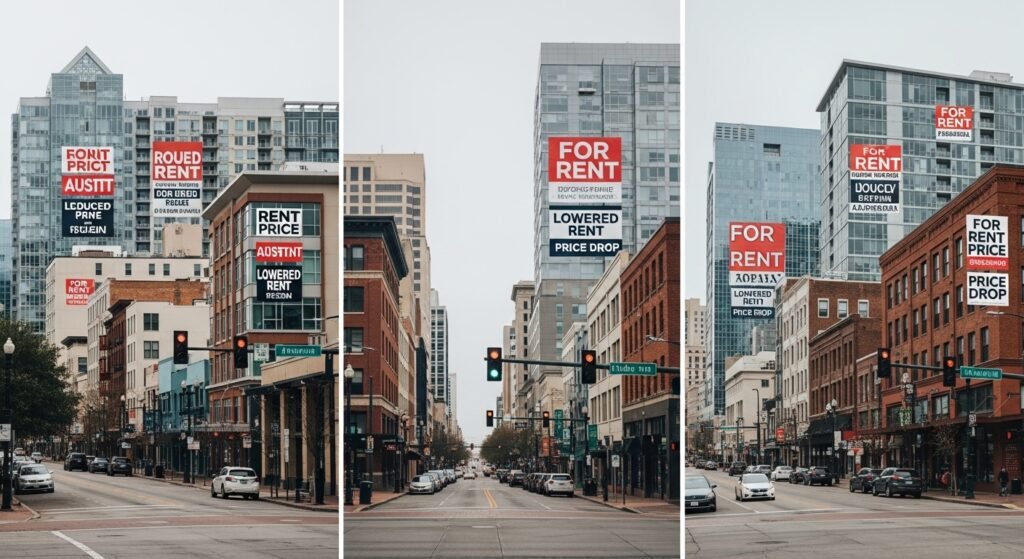
Cities that experienced the largest rent increases throughout the pandemic, which included Austin, Phoenix, and Nashville, now face a situation of negative rent growth. The current situation shows that rents have decreased from their previous levels, according to reports which indicate that “hype” around these regions has finally passed.
The “Locked-In” Homeowner Effect

The existing mortgage rates, which exceed 2020 levels, prevent many prospective homebuyers from buying their own homes. The rising supply of rental properties has not reduced rent prices because there remains a steady demand for rentals. The current state of the market has established a “stagnant middle” which maintains high rents without any further price increases.
The Power Shift to the Tenant

The tenant sector has regained its negotiation powers which existed five years before. Landlords display an increased inclination to accept counter-offers during the negotiation process which will occur in 2026. High credit score owners with good payment history can use their financial strength to obtain better lease terms with enhanced appliance upgrades.
Remote Work’s Permanent Map

The Great Migration has reached a state of stability. We know which cities operate as permanent remote-work centers and which ones function as short-lived temporary bases. The result has been a reduction of price disparities which existed between expensive coastal cities and “affordable” inland cities.
Managed “Build-to-Rent” Communities
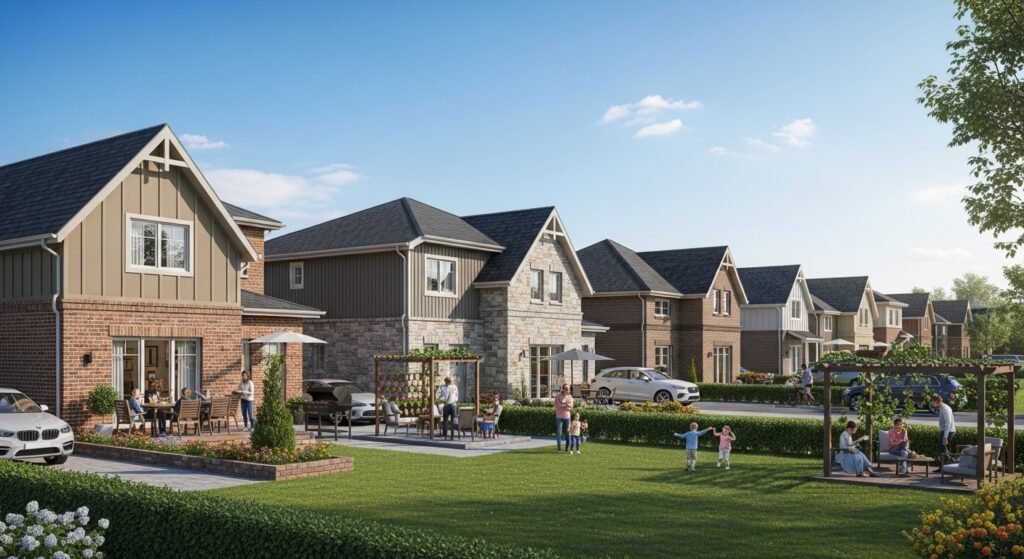
The “Build-to-Rent” (BTR) community creates entire neighborhoods of single-family homes which 2026 will establish as a new standard for residential development focused on long-term renting. Families who lack mortgage funds yet seek a backyard space will find this solution to solve their problem but it will decrease prices for traditional apartments.
The Impact of Short-Term Rental Crackdowns

Strict laws now exist in many cities to stop platforms such as Airbnb from operating their services. Thousands of units that previously functioned as “vacation rentals” must now enter long-term rental agreements. The sudden arrival of “hidden” inventory has reduced prices throughout tourist areas such as Miami and New Orleans.
AI-Driven Pricing Transparency

The new apps and AI tools enable renters to access information about what other tenants in their building are paying. Tenants now have access to their current rental data which enables them to prove their rental situation. The “secret hike” practice which allowed landlords to charge different people higher rates for identical units has been eliminated by this transparency.
The “Amenity War”
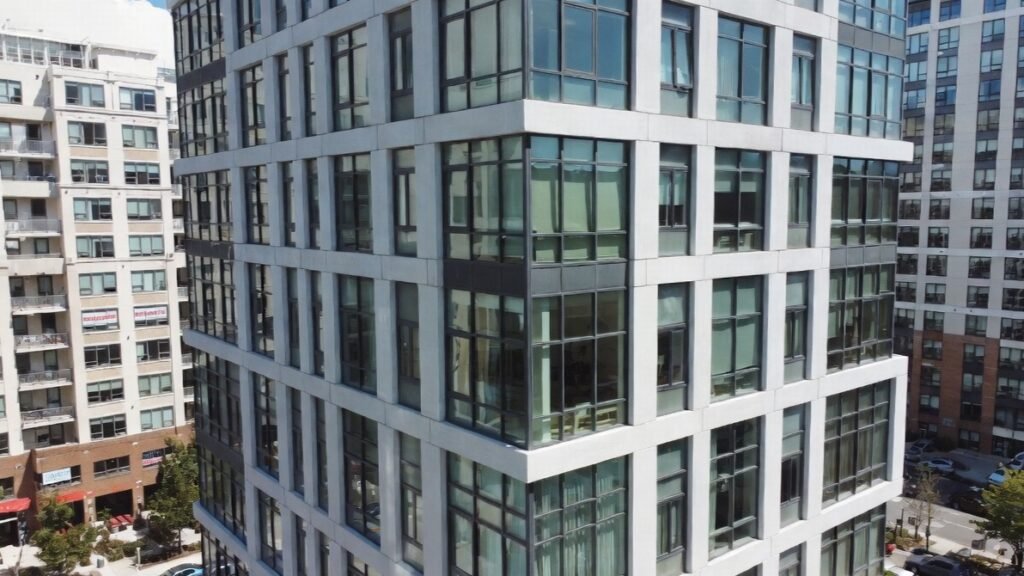
Buildings now offer more than gyms to justify their current pricing. The “turning point” of 2026 will introduce high-end amenities which include dedicated Zoom rooms and EV charging at every spot and AI-managed package lockers. Buildings that lack these elements must reduce their rental prices to stay competitive in the market.
