
Across America, more people are trading office chairs for laptops — leaving 9-to-5 routines for digital paths that promise freedom and control, albeit with less predictable paychecks. The web has enabled entirely new ways of earning: startups launched from spare bedrooms, freelancing across time zones, videos converted into revenue. Making a living online, once seen as risky, has become a legitimate choice for those worn down by fixed hours and slow promotions. Success isn’t guaranteed, but the trend reveals a deep shift in what counts as “real work.”
The Remote Work Mindset

The pandemic accelerated a reassessment of office life. Once workers proved they could be productive from home, the office started feeling optional rather than essential. Many employees now rank flexibility alongside pay when evaluating jobs — and employers offering remote or hybrid arrangements have a clear hiring advantage.
Freelance Careers

Freelancing turns skills into independence. Writers, designers, developers, and marketers trade commutes and meetings for client work they choose themselves. Freelance platforms make it easier to find clients, though building a steady pipeline still takes time, reputation, and consistent delivery.
Digital Business Growth
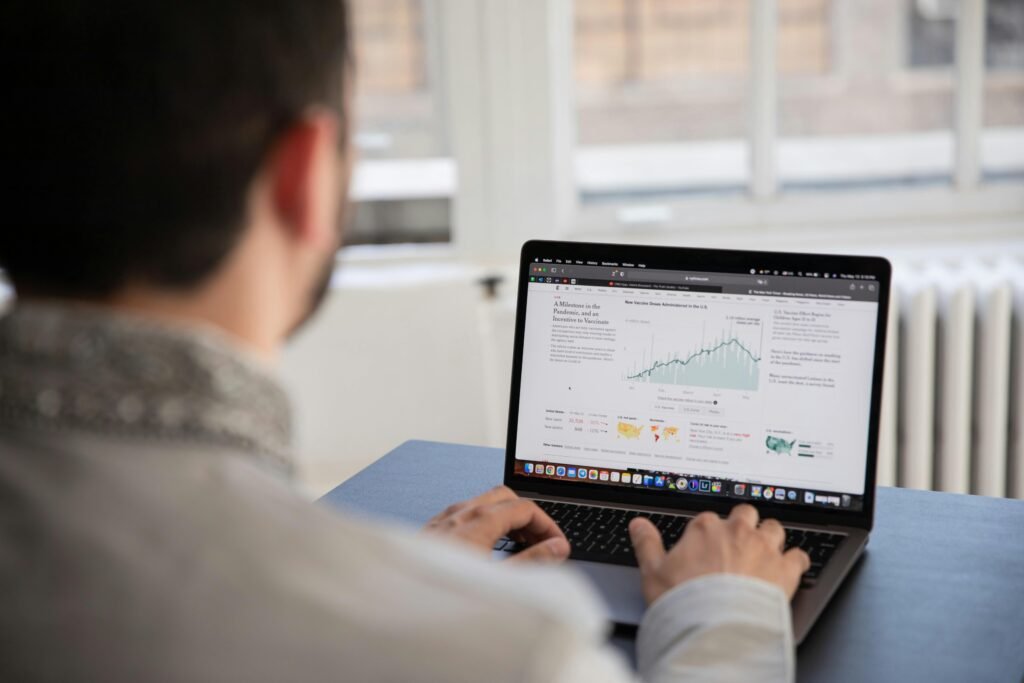
Starting an online business means selling products, tools, or services through the web to a global audience. E-commerce platforms, digital marketplaces, and app stores have lowered the technical barriers — a solo founder can now reach customers worldwide from a laptop.
Creator Economy

YouTube, TikTok, and newsletters have given creators a way to earn from their ideas. Revenue comes from ads, brand sponsorships, and fan subscriptions. The creators who last treat it like a business: consistent output, audience understanding, and diversified income.
Skill-Based Platforms

Experts are monetizing knowledge directly. Teachers tutor students globally on tutoring platforms; consultants advise clients over video calls; coaches run group programs. Showing up consistently and delivering results turns expertise into a steady income stream.
Flexible Lifestyle

Flexibility is the headline benefit: choosing when and where to work. For parents, caregivers, and anyone outside expensive metro areas, that freedom can be life-changing. The trade-off is structure — successful independents build their own routines to replace the ones offices provided.
Lower Startup Costs

Online businesses start far cheaper than physical ones. No lease, no inventory, no staff required on day one — a domain name, basic software subscriptions, and a laptop can be enough to launch. That low bar to entry is why so many people are trying, though it also means more competition.
Learning Online

The skills for online work are themselves learned online: video courses, free tutorials, and community forums. Someone can go from curious to competent in months — web design, copywriting, video editing, and data skills are all teachable without a classroom.
Risk and Reality

Trading steady employment for online income carries real risk. Income fluctuates, benefits like health insurance and retirement matching disappear, and most ventures need months of runway before gaining traction. The honest path: build the online income alongside the day job, and leap only when the numbers — including an emergency fund — support it.
