
Losing your job is one of the hardest things a professional can go through. A new wave of startups is building tools that help displaced workers bounce back faster, pick up new skills, and land better opportunities.
1. AI-Powered Resume Optimization

Startups now build tools that help laid-off workers update their resumes in minutes. These platforms use AI to scan job descriptions and flag the keywords that get candidates past the automated screening systems big companies use.
2. Specialized “Talent Networks”
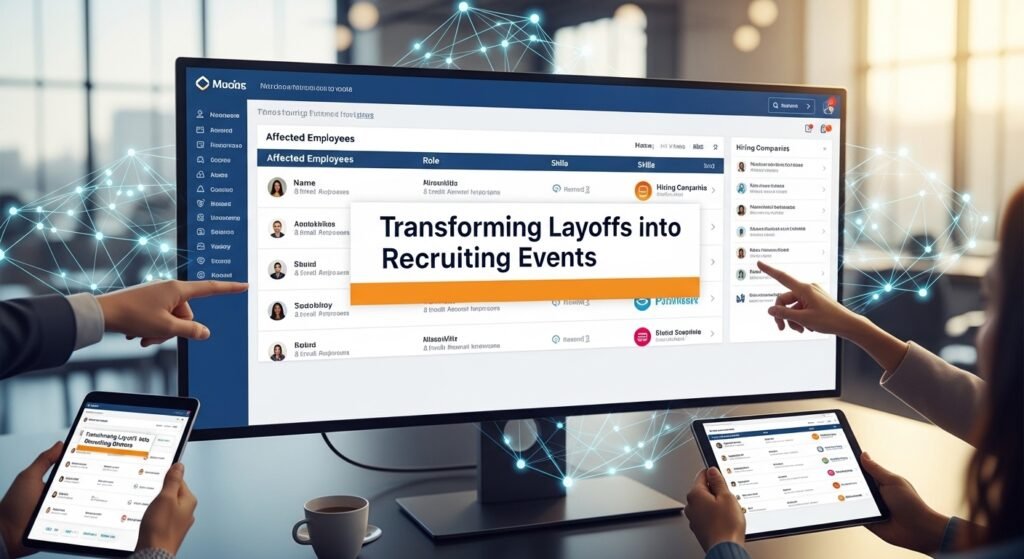
New platforms act as matchmakers when big companies announce layoffs. With the employee’s permission, they share curated lists of affected workers with hiring managers at growing companies, turning a mass layoff into an organized recruiting event.
3. Micro-Internship Platforms

Startups offer short-term paid projects, lasting days to weeks, so workers can keep their skills sharp and income flowing. These micro-internships also let people test-drive different industries before committing to a full-time role.
4. Income Share Agreements (ISAs)

Education startups let laid-off workers train in high-demand skills like data science and cybersecurity at no upfront cost. Graduates pay back a share of their earnings only after landing a job above a set salary threshold.
5. Automated Unemployment Filing

Filing for unemployment and sorting out COBRA health coverage is a bureaucratic nightmare. Fintech startups now automate the paperwork, making sure workers claim every benefit they are owed without the headache.
6. Upskilling Through Simulation

Instead of passive video courses, new platforms let displaced workers run realistic job simulations for the roles they want. It is a hands-on way to prove skills to employers, no matter what the last job title was.
7. Fractional Work Marketplaces

Startups are backing the fractional model, where professionals split their time across several companies. Multiple income streams mean less dependence on any single employer.
8. Relocation and Remote Work Tools

For workers in areas with few local jobs, startups provide access to remote-first companies, plus resources for setting up a home office or finding a coworking space the new employer helps fund.
9. Transparency and Review Platforms

These startups assign health scores to employers, flagging companies with shaky finances. By tracking hiring and attrition patterns, they show job seekers which firms are stable and which might be heading for layoffs of their own. Getting laid off no longer has to mean starting from scratch: with smarter tools for every step of the transition, displaced workers can recover faster and land on their feet.
