
The world’s smartest students do not just study harder — they study smarter. Research has identified the scientifically proven techniques that separate top performers from everyone else. Here are the 10 secrets experts say actually work.
Active Recall Over Passive Review

Top students do not re-read notes or highlight textbooks. They close the book and force themselves to recall the material from memory. This retrieval practice strengthens neural connections far more effectively than passive review.
The Power of Spaced Repetition

Cramming fails; spacing works. Successful students study in short sessions spread across days, reviewing material just as they are about to forget it. This spacing effect moves information from short-term to permanent memory.
Teaching Others to Master Content

The best way to learn something is to teach it. Top students explain concepts to study partners — or even imaginary students. If you cannot explain it simply, you do not understand it well enough yet.
Deep Work and Zero Distractions

Smart students work in focused 50-90 minute blocks with phones in another room. Two hours of deep work accomplishes what five hours of distracted studying cannot.
The Feynman Technique for Simplicity
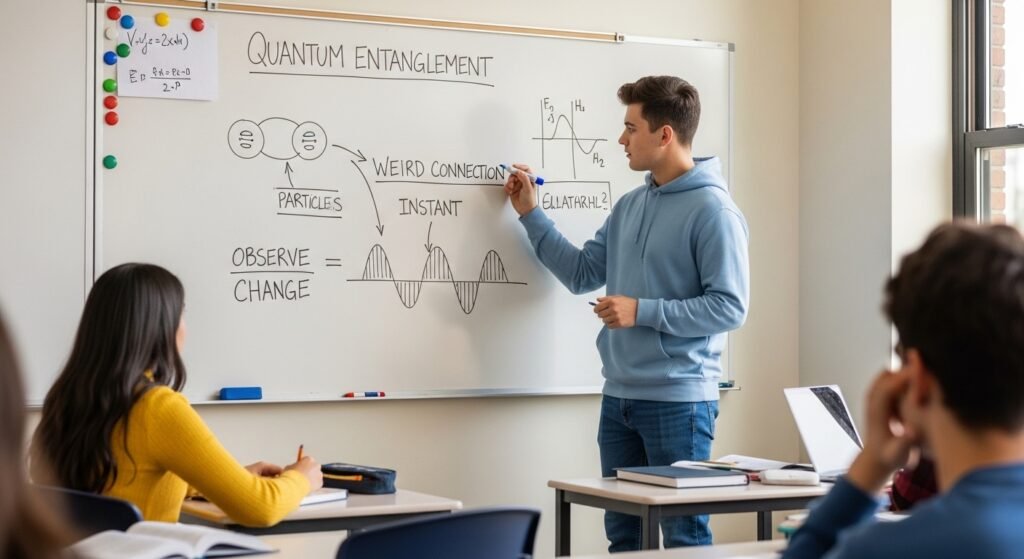
Named after physicist Richard Feynman: learn a concept, then explain it as if teaching a child. If your explanation is too complex, you have not truly mastered it. Simplify until it is crystal clear.
Using Interleaving to Build Versatility
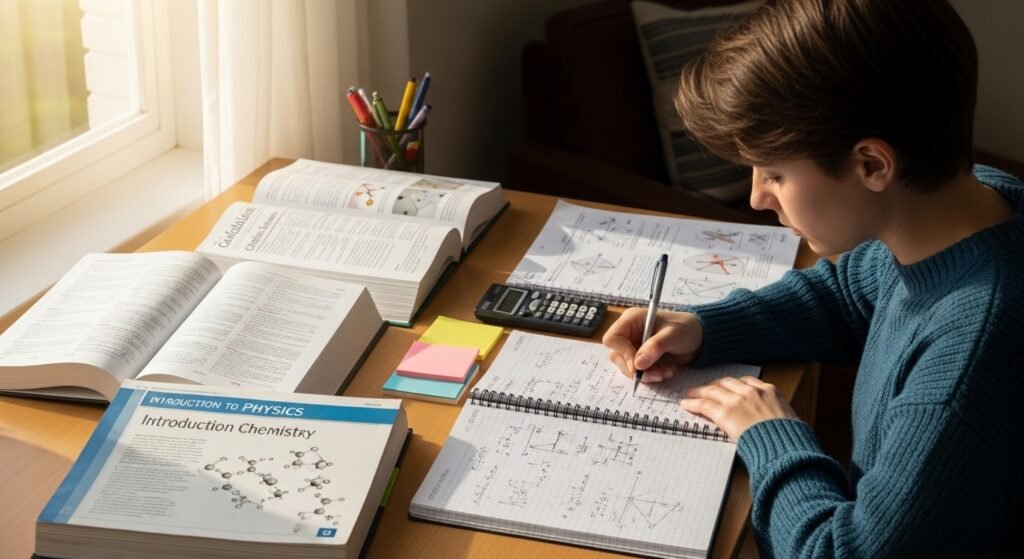
Instead of drilling one topic for three hours, top students mix subjects within a session. Solving different problem types in rotation trains the brain for real exam conditions.
Strategic Breaks with the Pomodoro Method

The brain cannot focus indefinitely. Successful students work 25 minutes, then take a 5-minute break. These strategic pauses keep the mind fresh and prevent burnout.
Effective Note-Taking Systems

Top students do not transcribe lectures word-for-word. They use systems like the Cornell Method — cues, notes, summaries — turning their notes into active study tools rather than passive records.
Optimizing the Study Environment

Smart students treat their study space like a professional workspace: organized materials, comfortable seating, good lighting. Consistent environmental cues help the brain slip into study mode faster.
Connecting New Info to Old Knowledge

Top students never learn facts in isolation. They deliberately connect new information to what they already know, building mental pathways that encode knowledge far deeper than memorization alone.
