
Total credit card debt held by Americans has climbed to an all-time high. A balance is not always a crisis, but record debt paired with high interest rates is a perfect storm for many households. The real danger goes beyond the statement balance: it quietly limits your ability to build financial independence.
1. The Trap of Compound Interest
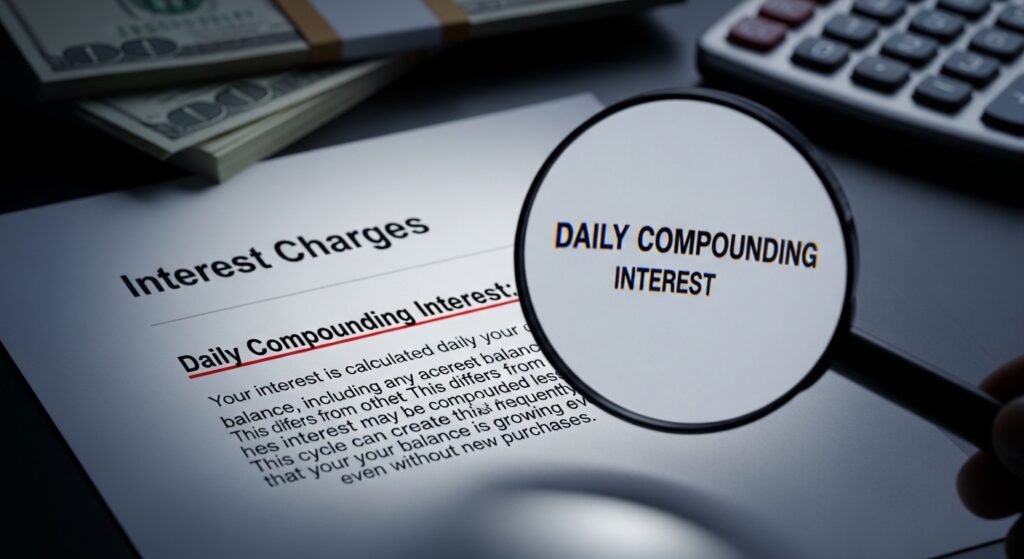
Unlike car loans or mortgages, credit card interest compounds daily. You pay interest on your interest, so at record debt levels the balance can keep climbing even without new purchases.
2. Interest Rates are at Historic Highs

The average credit card rate now tops 20 percent. At that cost of borrowing, even a small balance snowballs because most of each payment goes to interest instead of principal.
3. The Minimum Payment Mirage
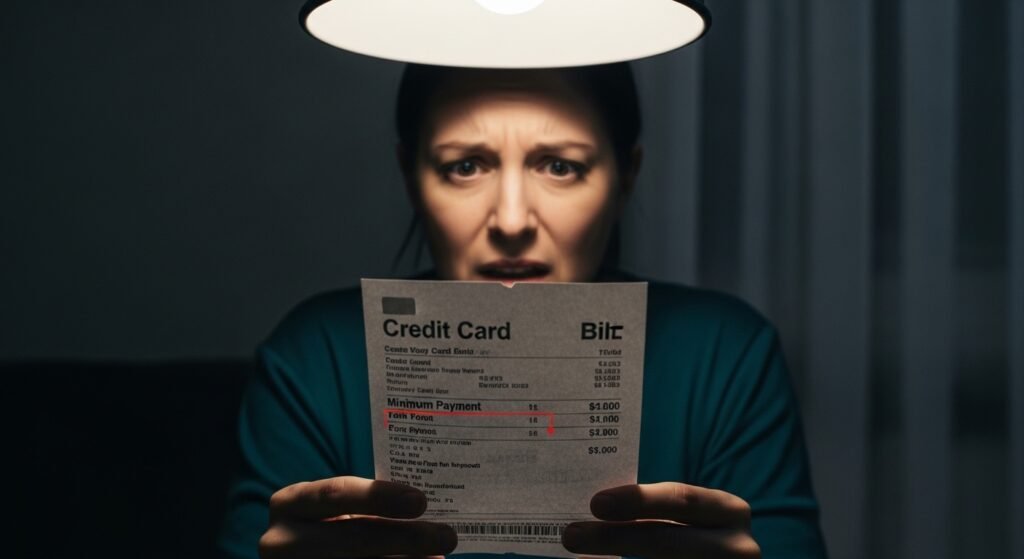
Paying only the minimum can stretch a balance across decades. Minimums are designed to keep you in debt as long as possible, and on a record-high balance they barely cover the interest.
4. It Siphons Your Monthly Cash Flow

Every dollar sent to old debt is a dollar unavailable for today. High balances act like a hidden tax on income, shrinking what is left for groceries, rent, and emergency savings.
5. Impact on Your Credit Score

Credit utilization, how much of your limit you use, is a major scoring factor. Maxed-out cards can crush a score, making mortgages and car loans more expensive or out of reach.
6. The Risk of Floating Expenses

Many people bridge paycheck gaps with credit for basics. The danger is dependence: once the limit is hit, the household loses its last line of purchasing power.
7. Inflation’s Double-Edged Sword
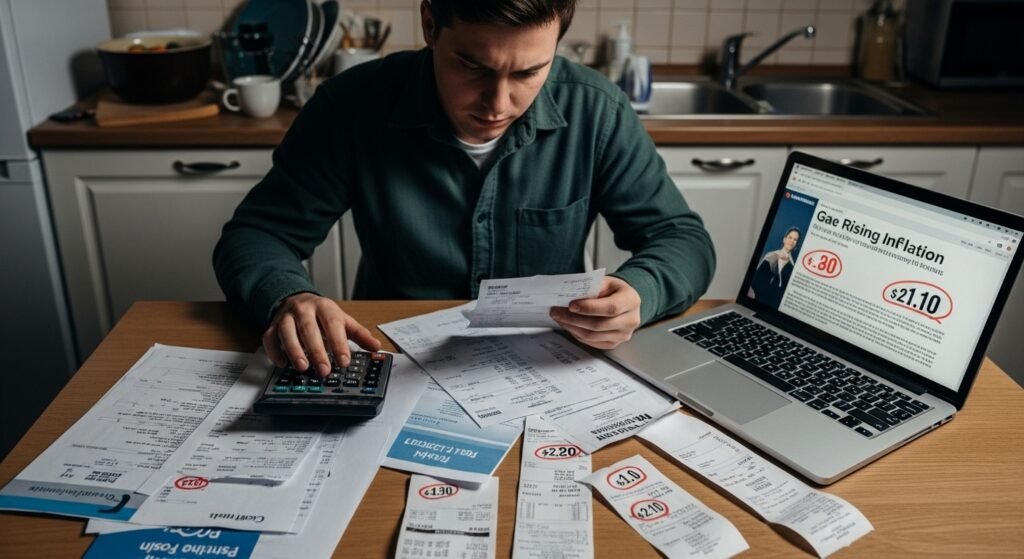
Rising living costs push more spending onto cards just to maintain the same lifestyle. Paying yesterday’s inflated prices with today’s borrowed dollars compounds the damage.
8. Reduced Financial Resilience

High debt wipes out the safety net. A job loss or medical bill with no available credit left can turn a setback into a financial crisis.
9. The Psychological Burden

Record debt brings chronic stress, anxiety, and even physical symptoms. The mental load drains performance at work and home, feeding a cycle of financial paralysis. The record number is a warning, not just a statistic: breaking the cycle means attacking the balance aggressively before interest and minimums lock it in place.
