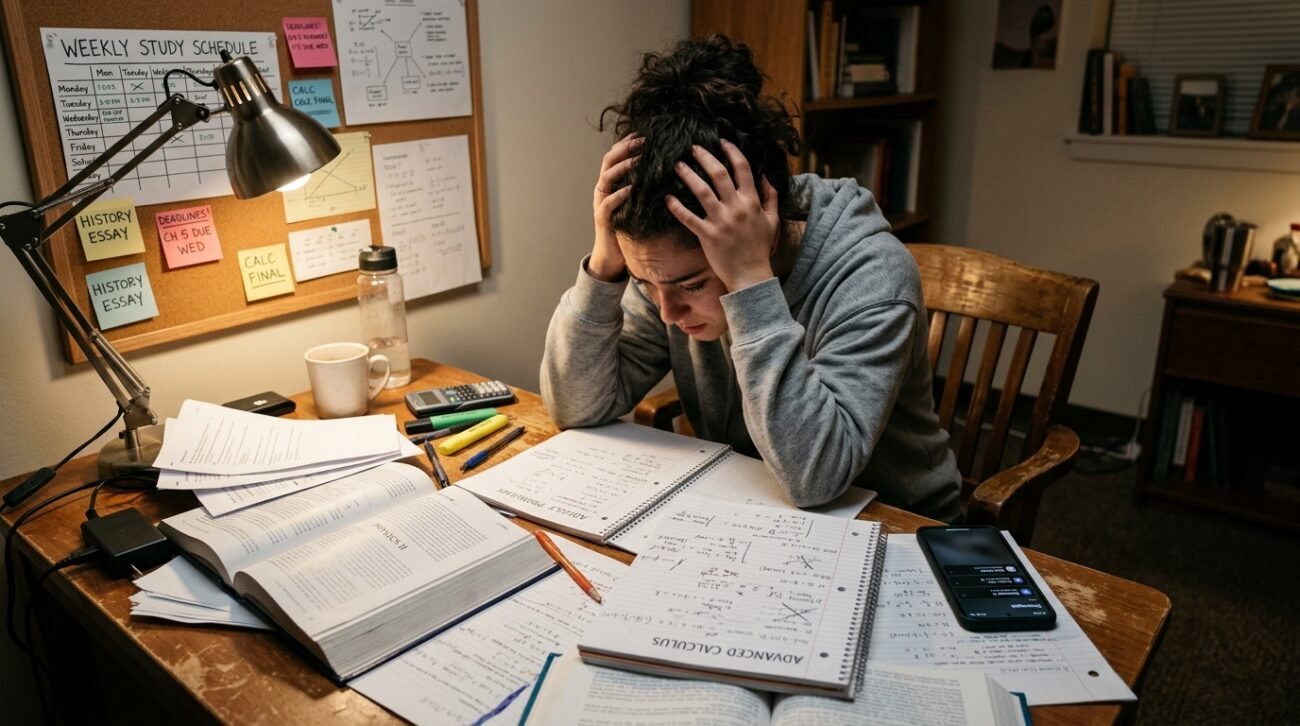
Most students don’t struggle because they study too little — they struggle because they study with outdated methods. In 2026, learning smarter matters more than learning longer. Spotting these frequent homework mistakes can cut your desk time and boost your results.
Passive Re-Reading

Re-reading notes feels productive but barely builds long-term memory. Use active recall instead: close the book and write down everything you remember.
The “Phone in Sight” Trap

Even a face-down phone in your space drains brain power. Research shows students take twice as long to solve math problems with a phone within reach — put it in another room.
Over-Reliance on AI Tools
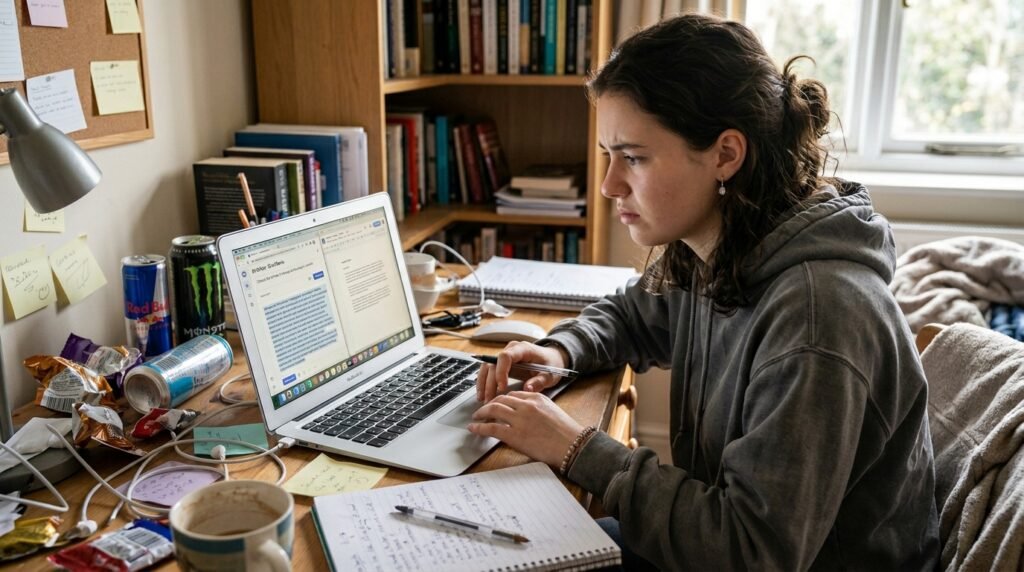
Having AI write your whole essay skips the critical thinking practice you need. It’s a fine brainstorming partner — but it won’t be there during in-person exams.
Marathon Study Sessions

Focus fades after about 40 minutes of intense work. Skip breaks and you’ll just stare at the page — the Pomodoro technique keeps your brain alert through the whole session.
The Multi-Tasking Myth

Watching a show while studying splits your focus. Your brain doesn’t multitask — it rapidly switches tasks, temporarily costing you the equivalent of 10 IQ points.
Ignoring the Instructions
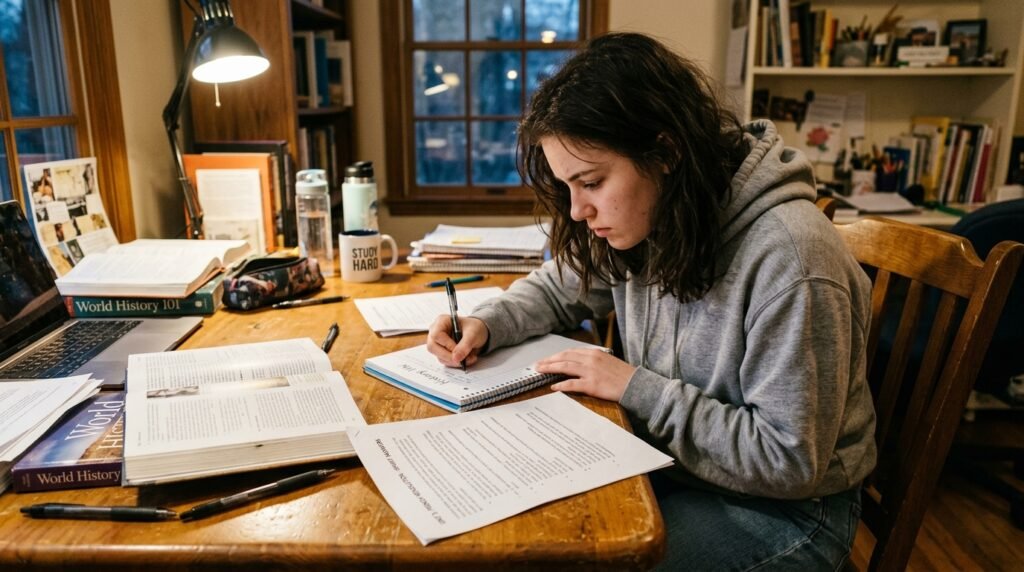
Rushing into a project without reading the rubric is costly. Three minutes reading the “fine print” can save three hours redoing work that missed the teacher’s requirements.
Skipping the Hardest Task First
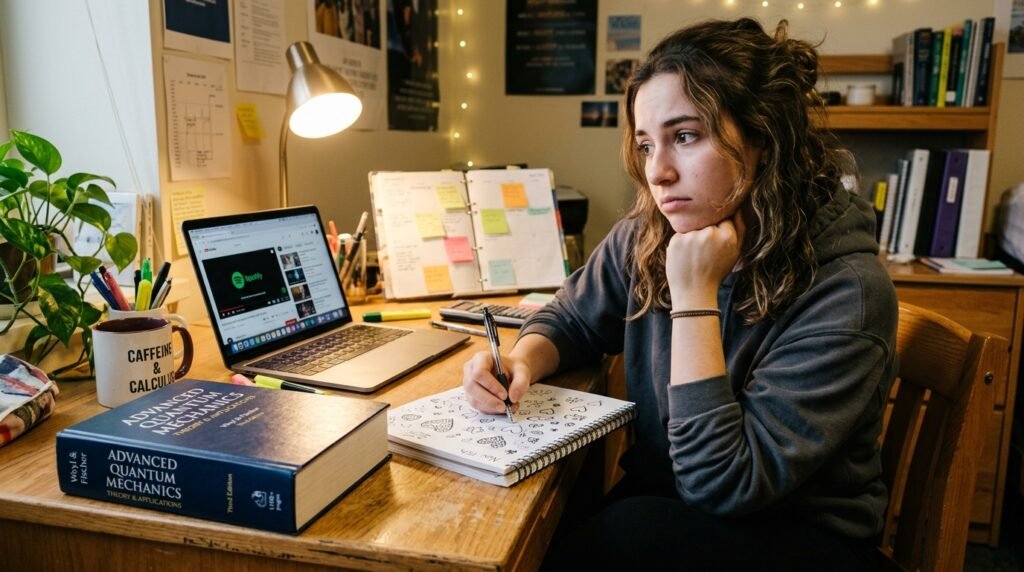
Postponing your toughest subject drains the energy you’d need for it. Tackle the hardest task right after school when your brain is still fresh.
Verbatim Note-Taking
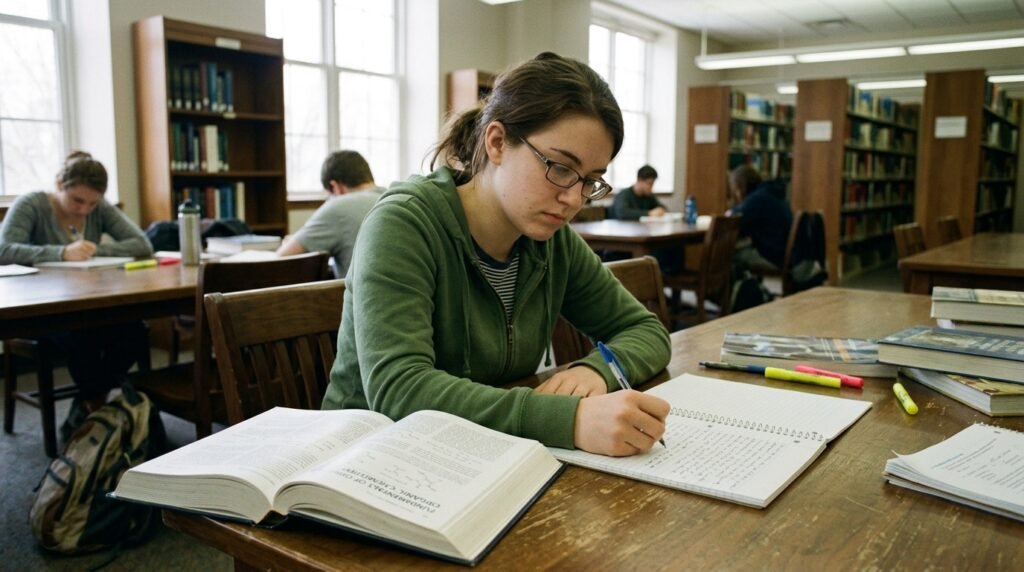
Copying a textbook word-for-word wastes time. Translating ideas into your own simple language forces you to actually understand the concept before writing it down.
Neglecting Your Workspace

Your brain links your bed with sleep, not studying. A dedicated workspace with good lighting triggers “work mode” — helping you start and finish without drifting off.
Forgetting to Proofread
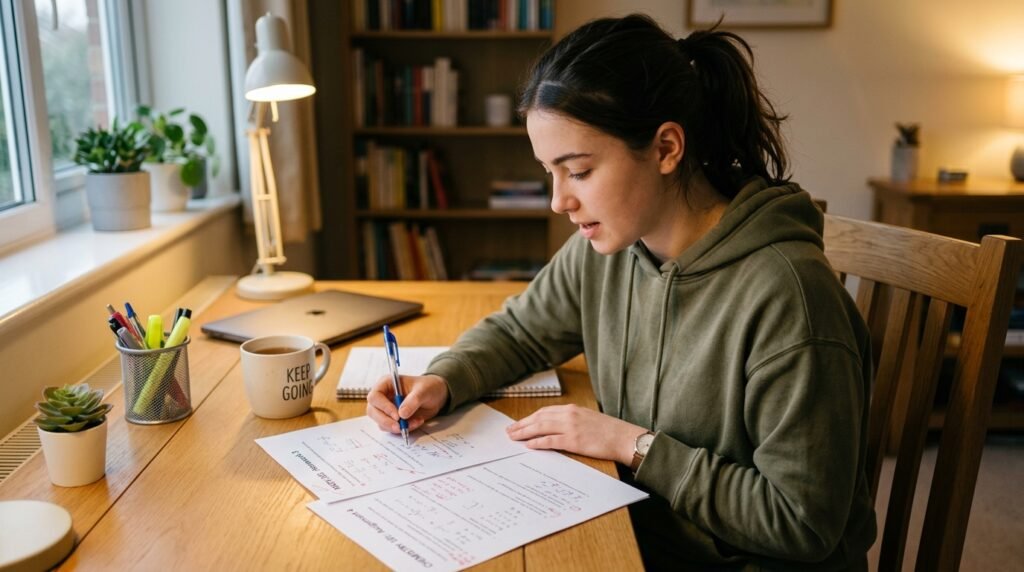
Submitting work immediately after finishing invites “silly” mistakes. Take a 10-minute break, then read your work aloud — your eyes will catch typos and awkward sentences you missed.
