
Walk down any main street in America today and you’ll notice a quiet shift. The family-owned bookstore is gone, replaced by a sleek chain store. The local cafe now competes with international brands offering cheaper coffee and faster service. Small businesses have long been the backbone of local economies — they define communities and build personal relationships. But the rise of giant corporations, with their deep pockets and powerful logistics, has changed the landscape. The question isn’t whether small businesses are failing — it’s whether the system is gradually squeezing them out.
Uneven Playing Field

Large companies operate with resources a small business can only dream of. Bulk purchasing, lower production costs, and massive advertising budgets let them dominate pricing and visibility. A small shop can hardly compete on equal terms, even with a better product.
Price Wars

Big retailers cut prices without necessarily making a profit — they’re buying market control. Small businesses, running on thin margins, can’t sustain long price wars. Customers naturally drift toward cheaper alternatives, and the small shops fade.
Prime Locations

Corporations snap up the best real estate in busy areas. Their ability to pay higher rents pushes smaller players to low-visibility locations with less foot traffic — and far fewer sales opportunities.
Digital Domination

Online marketplaces and e-commerce giants have rewired consumer behavior. Small businesses with a weak digital presence struggle to compete with the convenience, same-day delivery, and aggressive discounts customers now expect.
Supply Chain Power
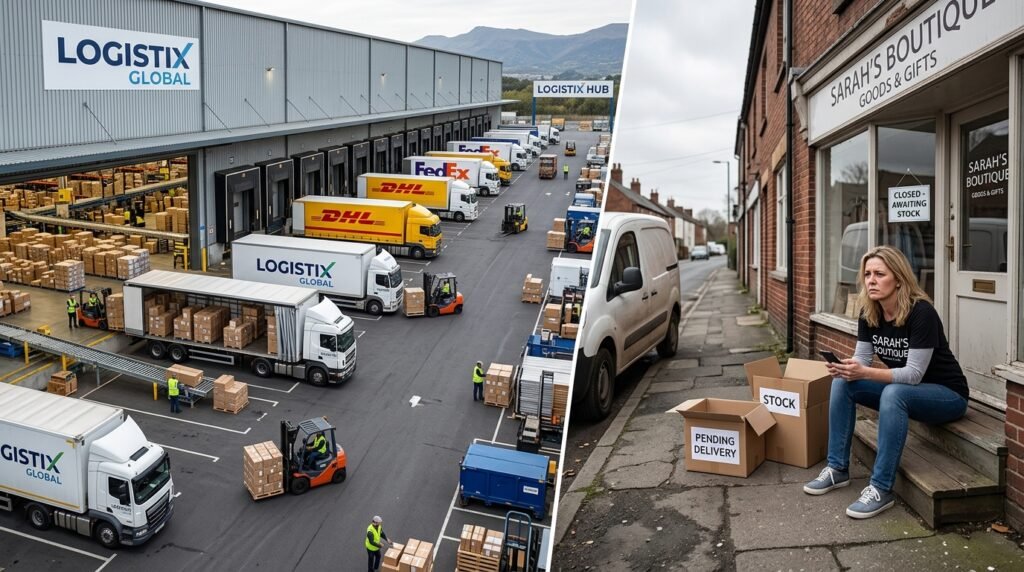
Big organizations run massive supply chains that guarantee steady inventory and lower costs. Small businesses, meanwhile, face delays, higher prices, and almost no bargaining power with suppliers.
Brand Trust

Many consumers associate big brands with reliability. Brand recognition often wins over quality or service — especially with new customers — even when local businesses are genuinely better.
Marketing Muscle

Corporate advertising is everywhere — social media, billboards, streaming. Small businesses rely on word of mouth or tiny marketing budgets, making it harder to stay visible in a saturated market.
Changing Habits

Modern consumers prioritize convenience and speed. One-click checkouts and same-day delivery have reset expectations — and small businesses built on traditional models can’t always keep pace.
Regulation Burden

Small businesses bear compliance costs more heavily. Regulations affect everyone, but corporations have legal departments to navigate them — while small owners are left to handle the maze alone.
Community Impact
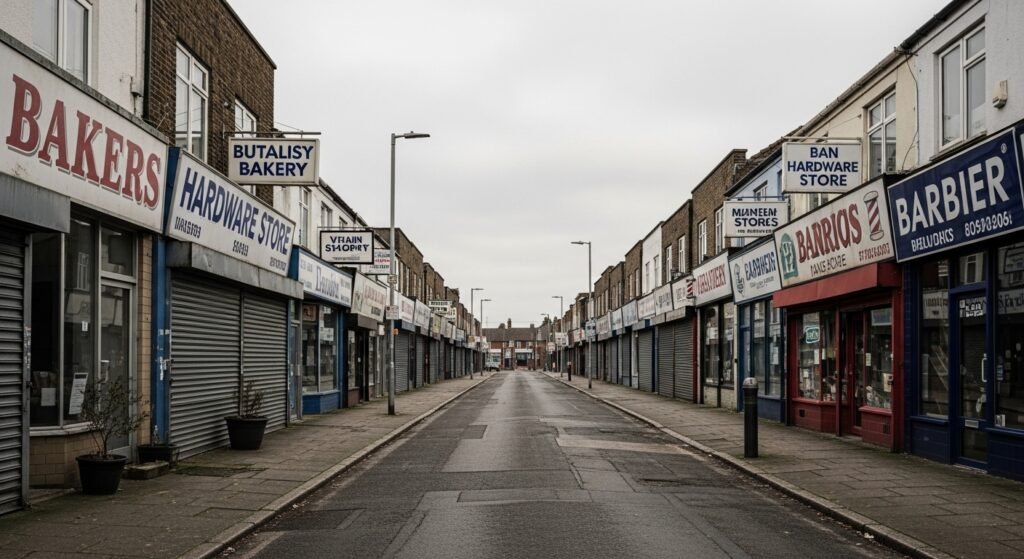
When small businesses close, the loss is cultural as well as economic. Local identity fades, jobs move elsewhere, and neighborhoods lose the personal, familiar spaces that made them feel like home.
Adapt or Fade

Some small businesses are fighting back — targeting niche markets, personalizing service, and leaning into community ties. The odds may look stacked against them, but resilience and ingenuity remain their greatest weapons in a changing market.
