
The traditional career ladder is shifting as AI takes over routine tasks like basic coding, data entry, and simple copywriting. The “foot-in-the-door” jobs are disappearing, but demand is surging for roles that need human judgment, physical skill, and real interaction. The job market is not vanishing; it is moving where machines still struggle.
1. Skilled Trades and Physical Infrastructure

AI can write a report, but it cannot fix a burst pipe or wire a hospital. Plumbing, electrical, and specialized construction are desperate for workers, offering high-paying entry roles that automation cannot touch.
2. The “Human-Centric” Healthcare Sector

Healthcare is hiring fast for roles built on empathy and physical care: nursing assistants, physical therapy aides, and home health workers. AI can assist with diagnosis, but patients need human comfort and hands-on help.
3. AI “Orchestrators” and Editors

Companies no longer need people to draft basic content from scratch; they need AI editors. These roles check AI output for accuracy, voice, and brand fit, demanding critical thinking and a read on human nuance.
4. Cybersecurity Defense Teams

As attackers use AI for smarter scams, demand grows for entry-level defenders. Analysts monitor networks and respond to threats, forming the first line of defense for digital assets.
5. Renewable Energy Technicians

The green energy shift has created thousands of jobs that barely existed a decade ago. Solar installers and wind turbine technicians are in high demand, requiring technical training rather than a four-year degree.
6. Hospitality and “Experience” Management

As basics go automated, high-end hospitality leans harder into human touch. Luxury hotels, travel agencies, and event planners need staff who deliver personalized experiences machines cannot replicate.
7. Mental Health and Wellness Support

Demand for mental health technicians and wellness coaches keeps climbing. Emotional well-being work requires empathy and presence for support groups and one-on-one coaching.
8. Data Privacy and Ethics Compliance

With AI processing more data, companies need human watchdogs on privacy law. Entry-level compliance roles now include auditing AI systems for legal conformity and bias.
9. Specialized Sales and Relationship Building

Routine purchases moved to apps long ago, but complex sales still need people. Junior associates in medical equipment and enterprise software build trust and navigate complicated deals.
10. Logistics and Supply Chain Management
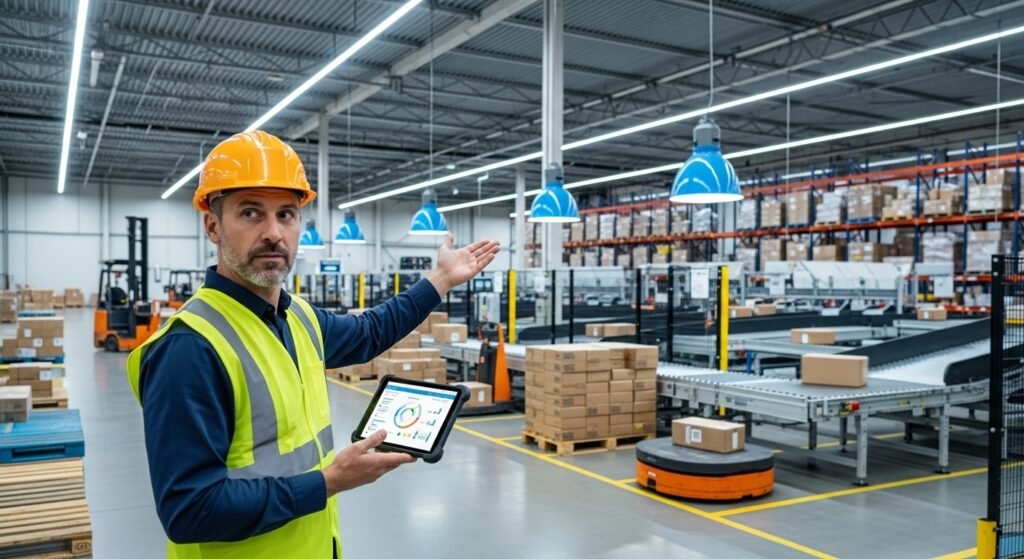
Global shipping has never been more complex. Robots move boxes, but humans manage the disruptions: delays, reroutes, and supplier negotiations. AI is not ending entry-level work; it is redrawing it. The winners will be the workers who lean into what machines cannot do: build, care, judge, and connect.
