
One reason branding holds such influence today lies in its ability to shape perception. Not merely a logo or name, it becomes the voice through which products speak to identity. Though design and messaging play roles, emotion often drives deeper recognition than function. Even simple items gain perceived worth when wrapped in consistent imagery. Because familiarity builds comfort, customers may return without analyzing alternatives. Behind vibrant campaigns, however, clarity fades – what is being offered beyond repetition? Value might reside in craftsmanship; alternatively, in repeated claims. While some brands deliver on promises, others rely on presence alone.
The Power of How We See

A brand’s influence typically lies in perception, not physical changes to an item. Through consistent symbols or elevated presentation, value becomes tied more to idea than object. What buyers see may shift without altering what they hold.
Price vs. Real Value

Priced significantly above comparable generic versions, many labeled goods draw skepticism. Value questioned by some, the premium tied to recognition instead of measurable superiority. Higher costs justified less by performance, more through perception shaped over time.
Emotional Marketing

Emotion shapes much of today’s brand identity. Rather than focusing solely on items, firms present visions, daily routines, one sense of self – inviting people into relationships that resonate beyond function.
The Social Status Factor

Often, people choose brands to show their place in society. A visible logo might speak of achievement, despite little difference in function compared to less costly alternatives.
Influencers and Their Impact

Branding now carries greater impact, thanks to influencer marketing. Through social platforms, individuals with large followings introduce goods to vast audiences .
Packaging Over Product

A few sectors see firms spend greater sums on presentation, narratives, together with promotion rather than refining what they offer. This leads to a refined appearance which sometimes fails to reflect actual quality.
The Illusion of Choice
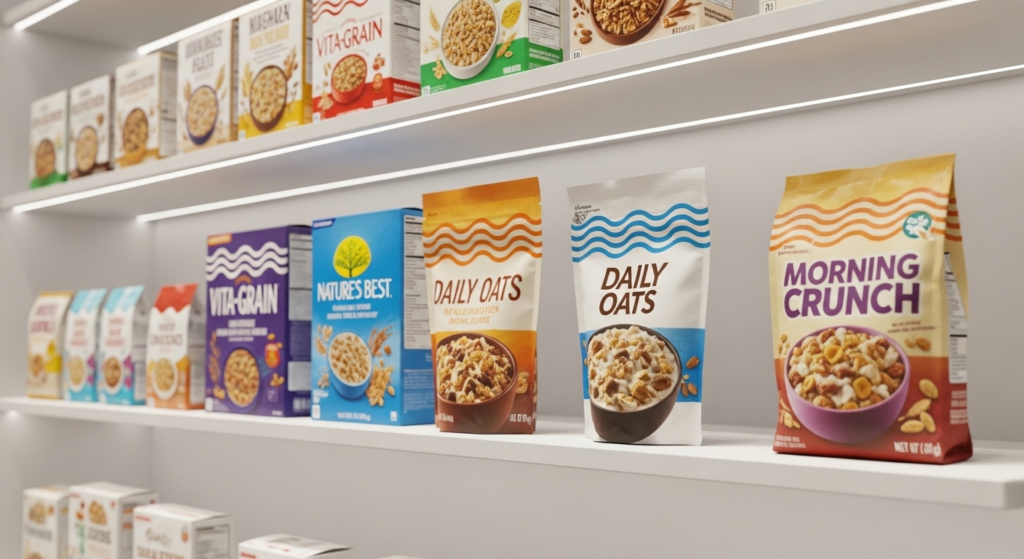
A single large company might control several brand names in one product type. Though shoppers think they compare separate businesses, ownership behind the scenes could be identical.
Branding That Makes a Difference

What stands behind brand advocacy is a pattern of steady delivery. Reliability emerges through repeated experience, not promises. Trust grows where outcomes are predictable.
The Growth of Doubtful Shoppers

Nowadays, people know much more about products. Because of feedback found online, side-by-side feature checks, trust grows only when actions match words. What a company says is measured closely against what it does, thanks to open conversations across digital platforms.
Hype vs. Honest Business

What draws most discussion in branding circles is not just its role but how much of it alters real distinction versus shaping views. Where one brand grows by introducing new solutions, another stays afloat largely due to polished narratives.
