
The digital economy has changed how business is done — how companies generate revenue and grow. The days when revenue only came from physical transactions are over. Today’s most successful companies build ecosystems, harness data, and obsess over customer experience. Subscription services, creator platforms, and marketplaces are designed to be flexible and scalable, closely tuned to consumer behavior. Their real strength is not just technology — it is the ability to adapt to human habits of convenience, personalization, and speed. As competition intensifies, the companies leading the digital frontier are the ones that understand and embrace these shifting models.
Subscription Power

Subscription models offer predictability. Whether streaming, software, or newsletters, users pay for continuous value — giving businesses stable income and long-term customer relationships. Recurring revenue beats one-time sales.
Freemium Strategy
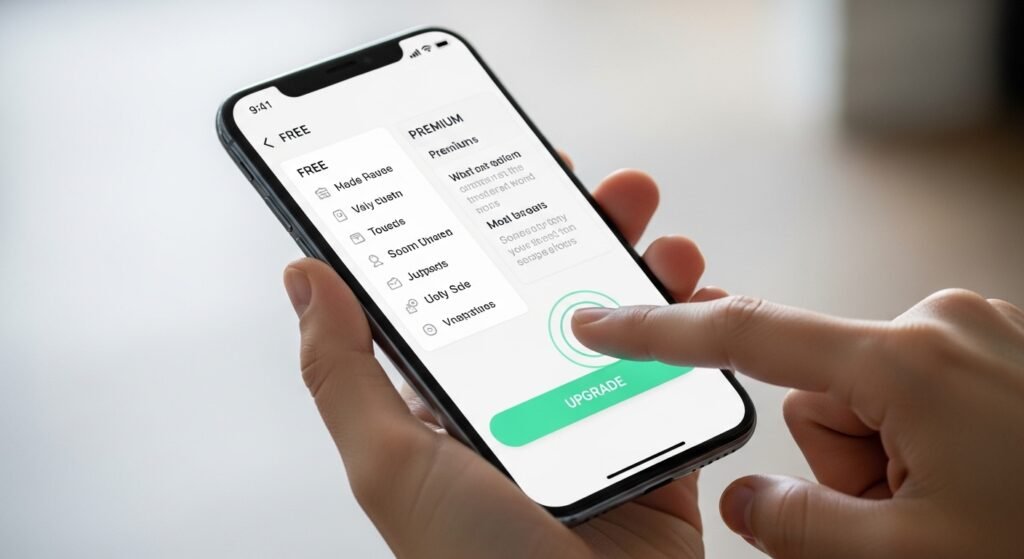
This model pairs free services with premium upgrades. It lowers entry barriers and builds trust before asking for money, making it highly effective for apps and platforms. Users come for free; the best ones convert to paid.
Marketplace Model

Digital marketplaces connect buyers and sellers without holding inventory. The platform earns through commissions and transaction fees, scaling quickly as more participants join. The marketplace owns the transaction, not the goods.
Ad-Based Revenue

Free content sites typically rely on advertising. Companies can serve targeted ads based on user data, making this model both data-intensive and lucrative. Users pay nothing; advertisers pay for their attention.
Creator Economy

Individuals have become businesses. Content creators earn a living by monetizing their work through subscriptions, sponsorships, and fan support. Platforms put power in the hands of individual creators rather than companies — and take their cut of the earnings.
On-Demand Services

This model runs on convenience. Speed and accessibility are the core value propositions — food delivery, transportation, and countless services available instantly. Customers pay a premium to skip the wait.
Software as a Service

Instead of buying software once, users subscribe to it in the cloud. This gives businesses consistency, scalability, and recurring revenue — while customers get continuous updates without reinstalling anything.
Affiliate Marketing

Businesses earn money by promoting other companies’ products. The model runs on trust, and income depends on successful referrals and conversions. Recommendations become revenue.
Data Monetization

Information has become a valuable commodity. Companies analyze how people use their platforms, then sell insights or use the data to sharpen their own operations. Data is no longer a byproduct — it is a revenue stream.
Ecosystem Approach

Instead of one product, companies build families of related services. This keeps users inside the same ecosystem, increasing retention and lifetime value. Once you’re in, everything works better together — and leaving gets harder.
