
Society has been selling some kind of formula to people over the decades: go to school, get a degree, and have a stable future. But that promise is cracking. Skilled graduates are finding it difficult to secure a job in any sector, as those who are self-trained with applied knowledge are emerging to be strong. This action has raised a contentious question – is formal education still necessary, or is it a stagnant system, which just lives by but without relevance? In a globe where a mangled technological transformation is being felt, the question of degrees versus the real world skills is no longer a far-fetched argument. It is personal, financial, and too scandalous, that human beings have to question what competence is, in the contemporary world.
Degrees Losing Value

A college degree now appears to be an expensive piece of paper and no longer a sign of prestige and privilege. Employers are increasingly focusing on what you can, and not what you have been taught because it reveals the ugly side of the truth: You are not competent by any merit of the extent to which you have been trained.
Skills Pay, Not Certificates

Coders, artists, freelancers and designers are making their living above the large mass of degree-holders. However this is not only about technical expertise. Hard skills, such as code writing or design, can be a gateway, with soft skills such as communication, flexibility, and problem-solving defining the distance.
Education as a Business
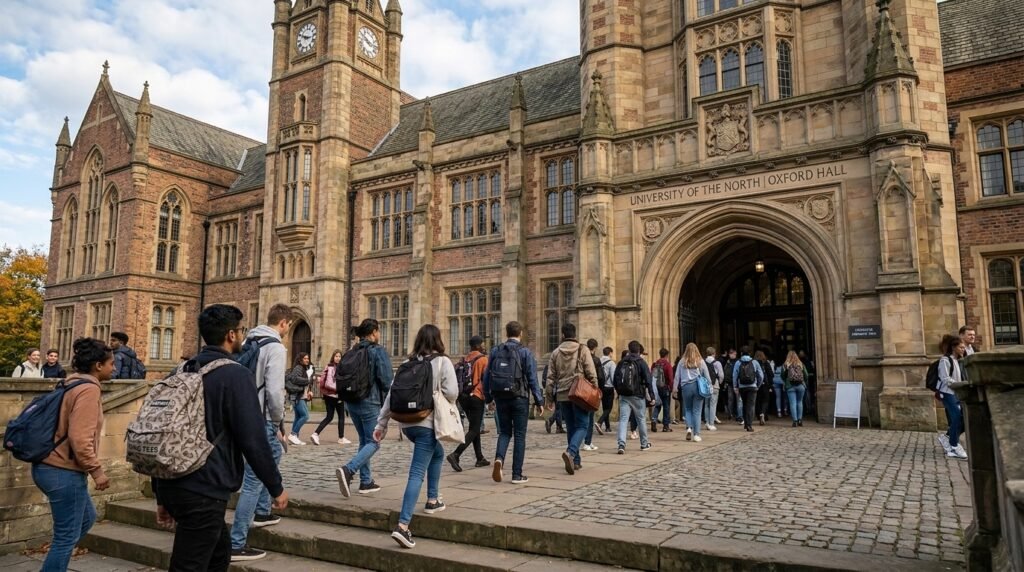
The accusation of being profit making corporations has been a cause of the universities being attacked. Higher tuition fees, student loans, and retrogressive and backward curriculum is a sign that education is not about learning but money.
Outdated Curriculum Crisis
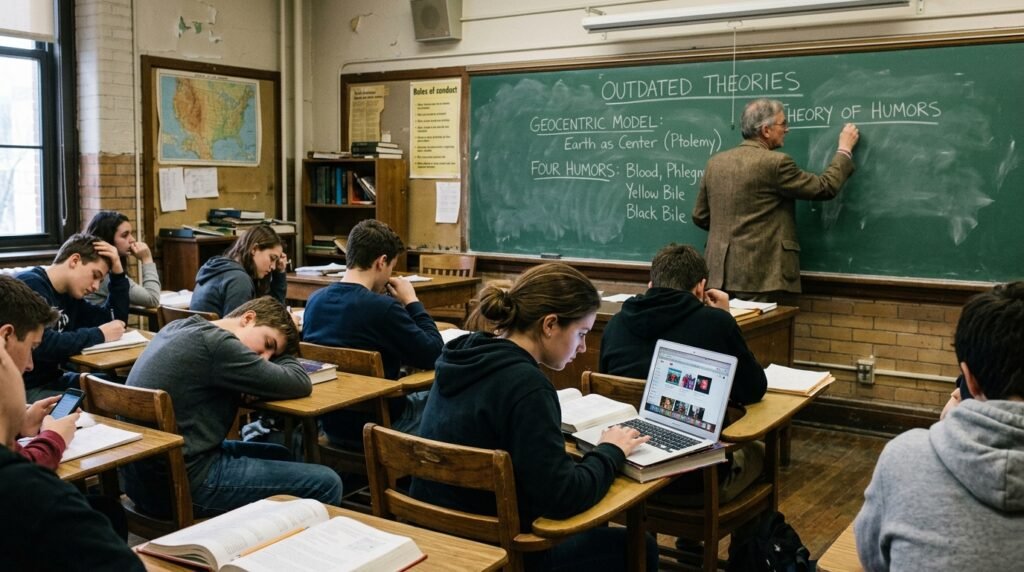
In most institutions, a lot of theories that are least applicable in the current job environment are still taught. Students walk out of school with absolutely no information that appears to be related to the real world and they are forced to go through learning that once again in the real world.
The Skill Gap Myth

Companies are using the same reason that there is a skills gap but pundits think that this is merely an excuse to avoid training employees. Several companies prefer job-ready candidates and do not give opportunities to develop them.
Self-Learning Revolution

Learning has been brought to all, who have access to internet based sites. This challenges the monopoly of traditional education and it shows that the motivation can often be even more significant than the form.
Prestige Over Competence

An elite degree has a social status, deserved or not. You are selected based on where you studied and not what you are able to do, this is an unfair system.
Creativity vs Conformity
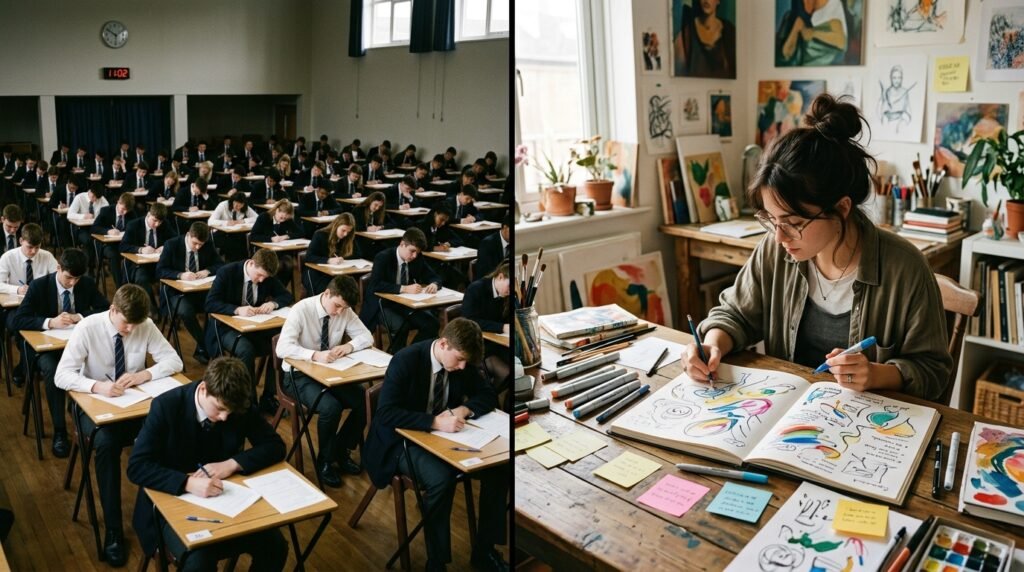
Traditional education methods are more inclined to memorising and obeying rather than being creative. On the other hand, skill-based learning is more observant to experimentation and is more pertinent to the needs of the modern industry.
Job Market Reality Check

The use of resumes is reducing as employers are conducting tests on potential employees through practical tasks. Such a shift leads to the growing distrust of academic credentials as a measure of practical readiness.
Pressure to Choose Early

The education systems force students to decide what they will do with their lives at a tender age without having a practical experience of the professions. Rather, exploration with the help of the skill allows flexibility, which the academic structures find restricting and suffocating.
