
A six-figure salary used to be a marker of arrival — enough money to feel comfortable, secure, and have some left over. Today, that idea feels outdated. In many American cities, people earning $100,000 or more say they’re just getting by. The shift isn’t only about rising prices; it’s about a deeper mismatch between expectations and reality. What once looked like prosperity now looks like something to maintain at great cost. The dream hasn’t disappeared — it has just become far more expensive to keep up, and far less satisfying to achieve.
The Cost Spiral
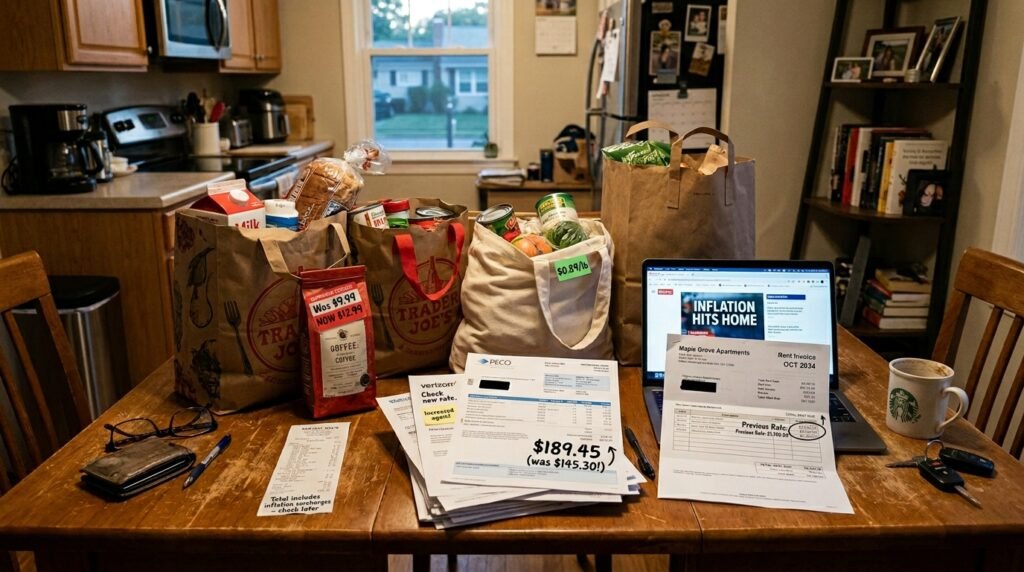
The cost of living hasn’t just risen — it has outpaced income growth. Housing, groceries, insurance, and utilities quietly devour salaries that look impressive on paper.
Tax Reality

A six-figure income looks large until federal, state, and local deductions take their cut. What’s left as take-home pay makes feeling “rich” seem almost theoretical.
Housing Shock
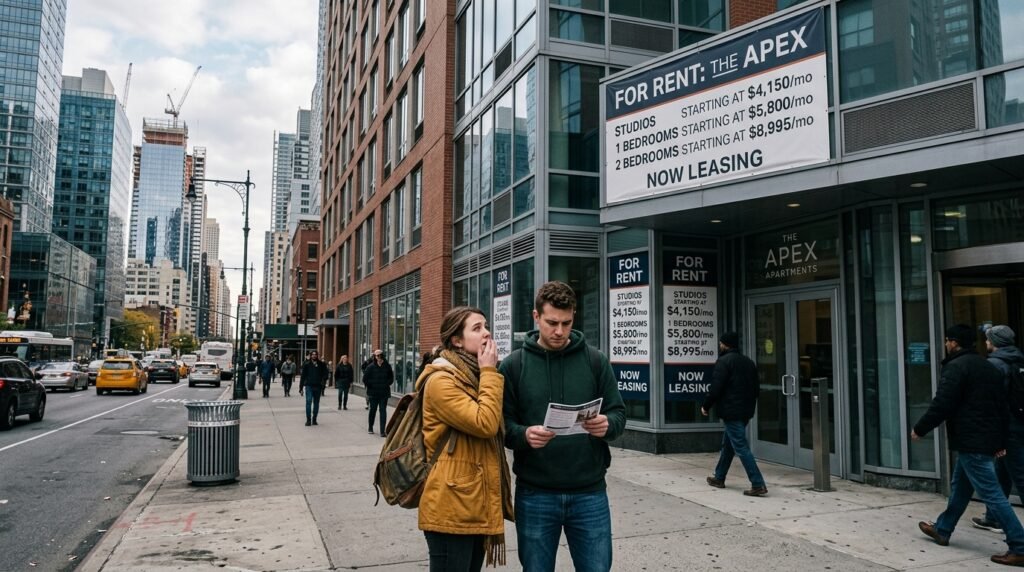
Homeownership, once a major milestone, is out of reach in many cities. Rents and skyrocketing property costs consume a growing share of earnings.
Lifestyle Inflation

Expectations rise along with earnings. Nicer neighborhoods, better cars, and higher living standards tend to absorb household income before it’s even noticed.
Debt Pressure

Student loans, credit cards, and mortgages weigh heavily. Higher pay often just means servicing bigger debts at a slightly slower rate.
Healthcare Burden

Medical costs in America are unpredictable and expensive. Even high earners worry that a single health crisis could undo years of progress.
Childcare Crisis
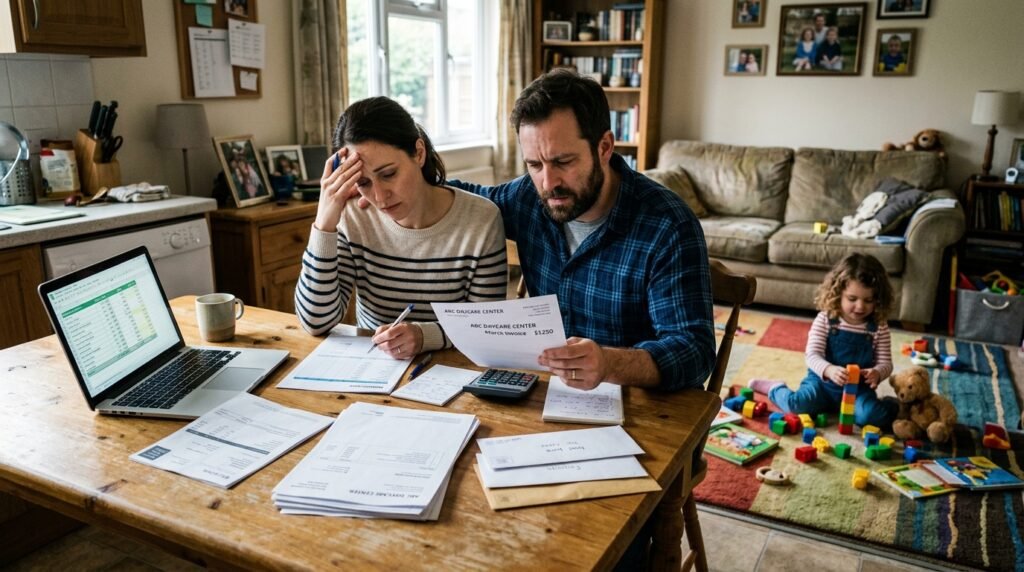
Raising children has become extraordinarily expensive. Childcare alone can cost as much as rent or a mortgage, turning a six-figure salary into a juggling act.
Invisible Inflation

Not all inflation is visible. Subscriptions, service fees, and small recurring charges pile up quietly, draining income without notice.
Social Comparison

Social media adds to the pressure. Watching others live lavishly distorts reality, making even high earners feel like they’re falling behind.
Savings Struggle

Many struggle to save despite good incomes. Immediate expenses keep crowding out retirement funds, emergency savings, and investments.
Job Insecurity

Well-paid employees are far from secure. Economic shifts and layoffs breed anxiety — people feel uncertain about their money instead of confident.
The New Normal

Perhaps the most debated point: in many places, six figures no longer means wealthy — it means average. The idea of wealth has changed, but salaries haven’t kept up with that change.
Expectation Gap

The problem may be as much about mindset as money. A six-figure life was supposed to feel extraordinary — instead, for many, it has simply become normal.
