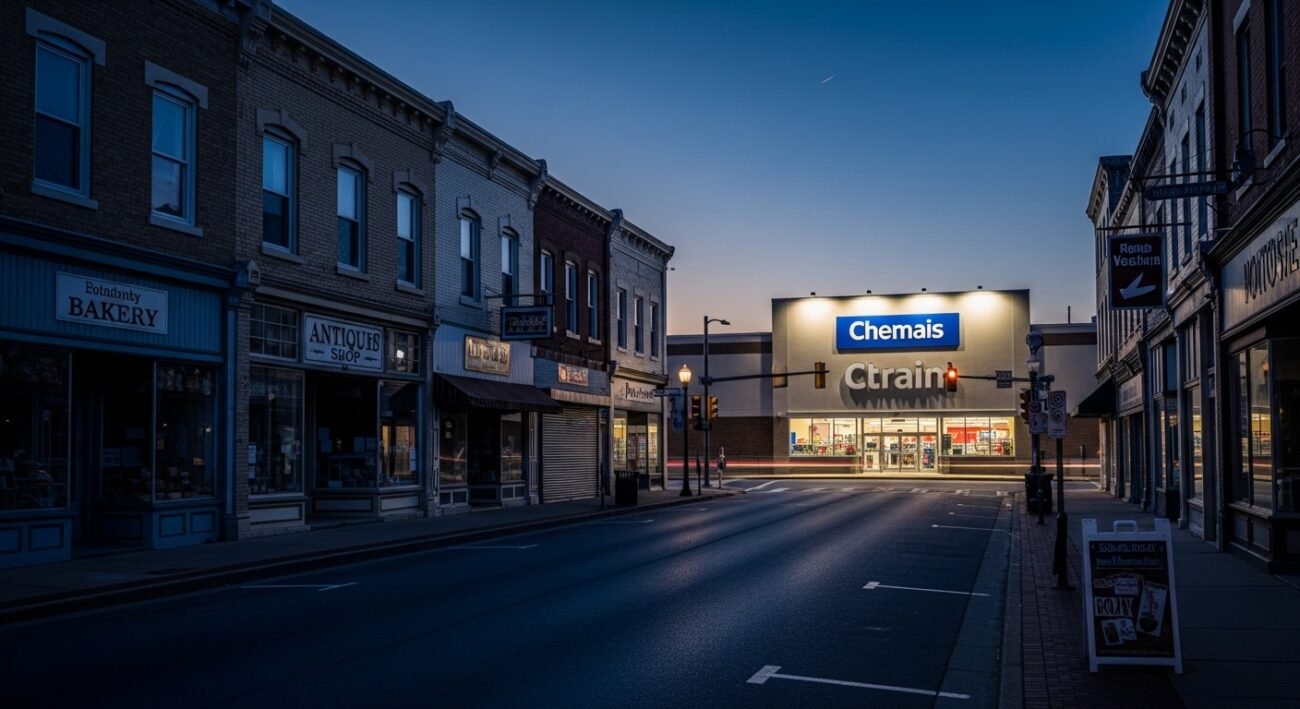
Take any of the main streets in America now, and you will see a silent drift. The bookstore owned by the family has disappeared and in its place is a smooth chain store. The local cafe is currently competing with international brands providing low-cost coffee and quicker service. Small businesses have long been the support of local economies, and they define communities and establish personal relationships. With the emergence of giant businesses with their deep pockets and strong logistics, the landscape has been altered, however. It is not whether small businesses are not doing fine but whether the system is actually squeezing them out gradually.
Uneven Playing Field

Large companies have an advantage in that they work with resources that a small business can only safely dream about. The huge buying of products in large quantities, reduced production expenses, and colossal advertisement allowances enable them to control the prices and the visibility. Small shop can hardly compete on the same level, even when the product of this shop is good.
Price Wars

Retailers cut prices when they are not necessarily making a profit, it is the market that they are taking control of. The small businesses, which already operate on thin margins, are unable to maintain long-term price cuts. Naturally inclined customers tend to be enticed by cheaper alternatives, which causes them to fade away.
Prime Locations

Companies have a way of getting the finest real estate in the busy places. Their capacity to pay higher rents relocate small players to low profile areas where foot traffic is minimized and there is no sales opportunity.
Digital Domination

This is because online market places and the e-commerce giants have altered the consumer behavior. Small businesses, particularly those with a weak digital presence, have found it more difficult to compete with convenience, quick delivery service, and discounts that are aggressively offered.
Supply Chain Power
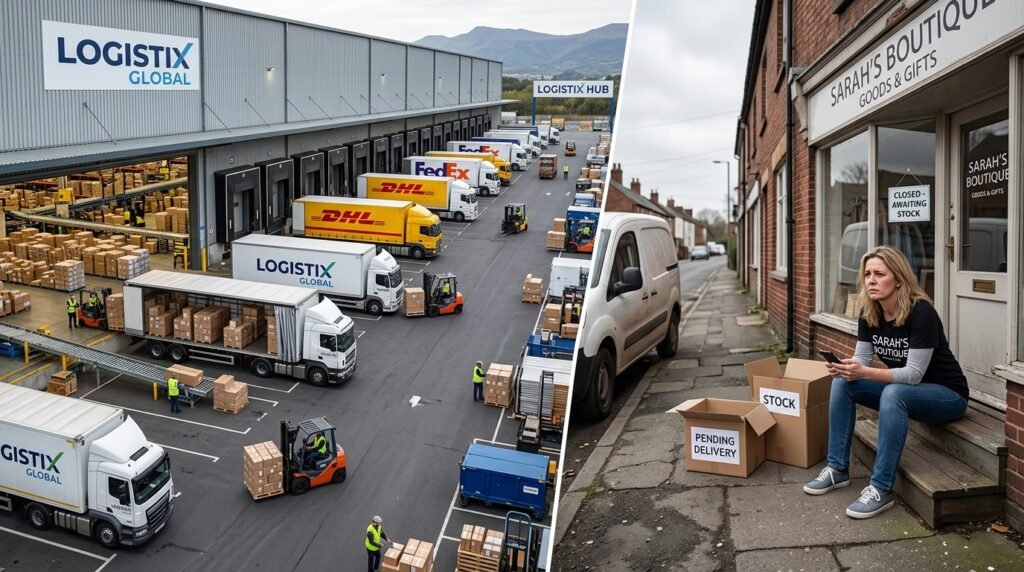
Big organizations have massive supply chains, which guarantee constant inventory and reduced costs. Small businesses are on the other hand subjected to delays, high prices, and a lack of bargaining power with suppliers.
Brand Trust

Lots of consumers relate huge brands with dependability. Brand recognition usually triumphs over quality or service especially with new customers despite the local companies having better quality or service.
Marketing Muscle

Corporate advertisement is omnipresent, and it exists in social media, billboards. Small businesses can depend on either word of mouth or small marketing budgets and therefore it becomes more difficult to remain visible in a saturated market.
Changing Habits

Contemporary consumers are keen on what is convenient and fast. One-second checkouts and delivery in the same day have changed the game and small businesses that were used to operating in the traditional way could not keep pace.
Regulation Burden

Small businesses are the bigger victims of compliance costs. Whereas, regulations affect all people, corporations have legal departments, which help them cross them, but small owners are left alone and have to address these issues.
Community Impact
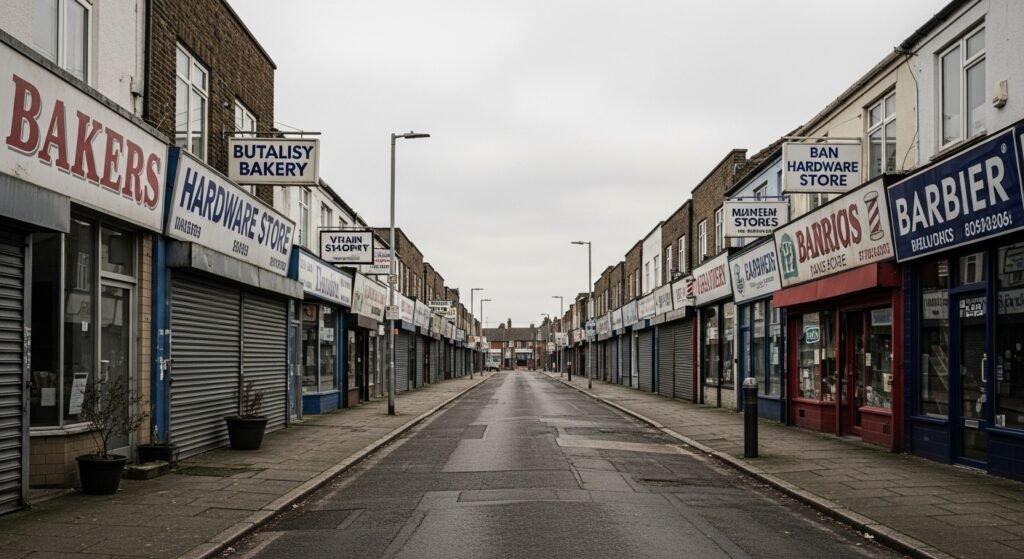
It is not only economical but cultural when small businesses go down. Local identity is diluted, occupations are moved, neighborhoods no longer have spaces that were personal and close.
Adapt or Fade

Others of the small businesses are responding by targeting the niche markets, service personalization, and community involvement. Although this might look like the odds are against these two, resilience and innovation are their greatest weapon in a changing market.
