
The U.S. economy is undergoing a major structural transformation because companies have entered the stage of commercializing new technologies. Businesses now focus on creating operational efficiency and building local operational capacity because they want to achieve both domestic strength and international growth. Organizations need to develop their digital capabilities while enhancing their creative output in order to maintain their competitive edge during unstable market conditions.
The Rise of Agentic AI
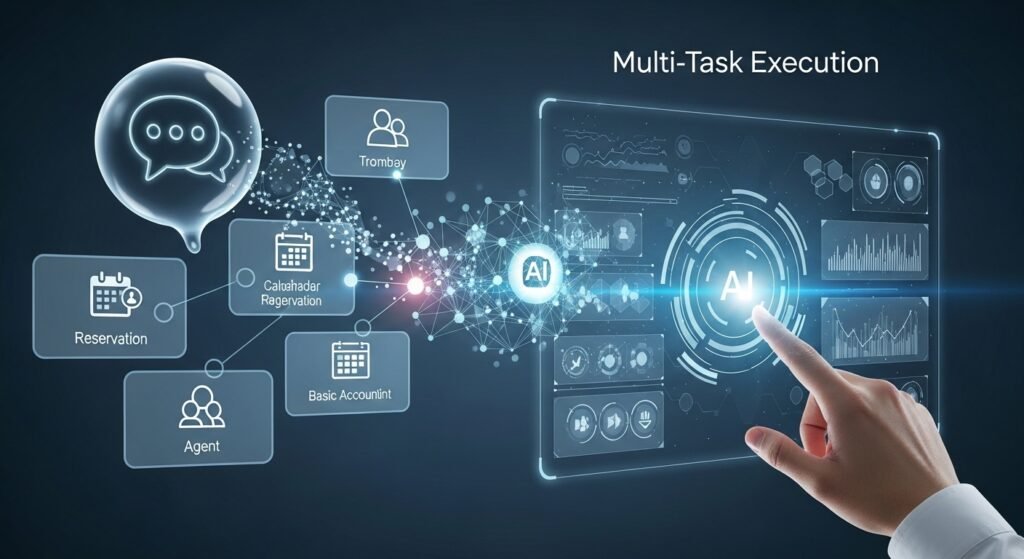
Artificial Intelligence is moving from basic chatbot systems to “agents” that possess real task execution capabilities. These systems now enable users to execute multiple functions beyond email creation through travel reservation and calendar management and basic accounting operations.
Reshoring and Nearshoring
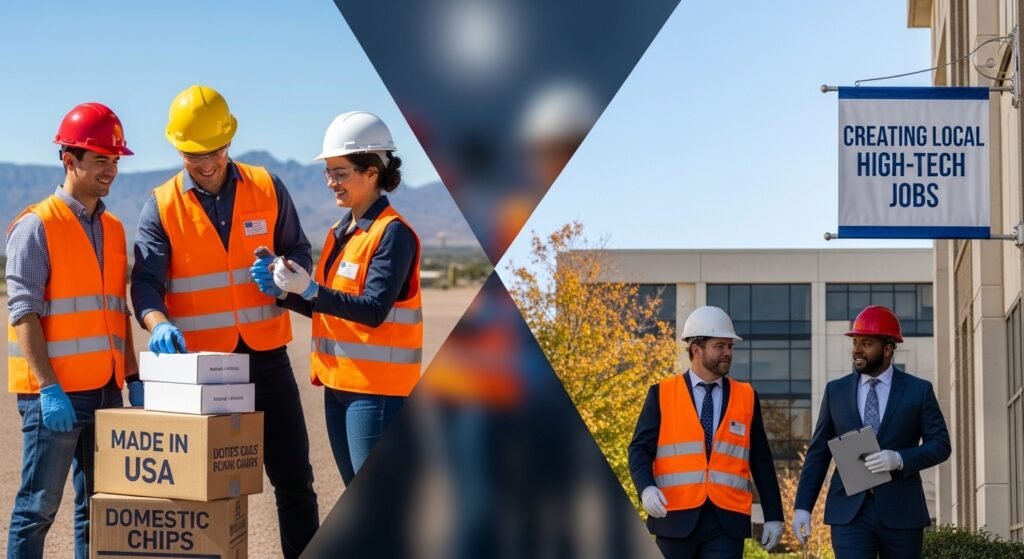
American manufacturers are bringing their production back to North America as a strategy to prevent global shipping interruptions. The new semiconductor plants in Arizona and Ohio which produce domestic chips create local high-tech jobs while decreasing the need for overseas manufacturing.
The “Fractional” Executive
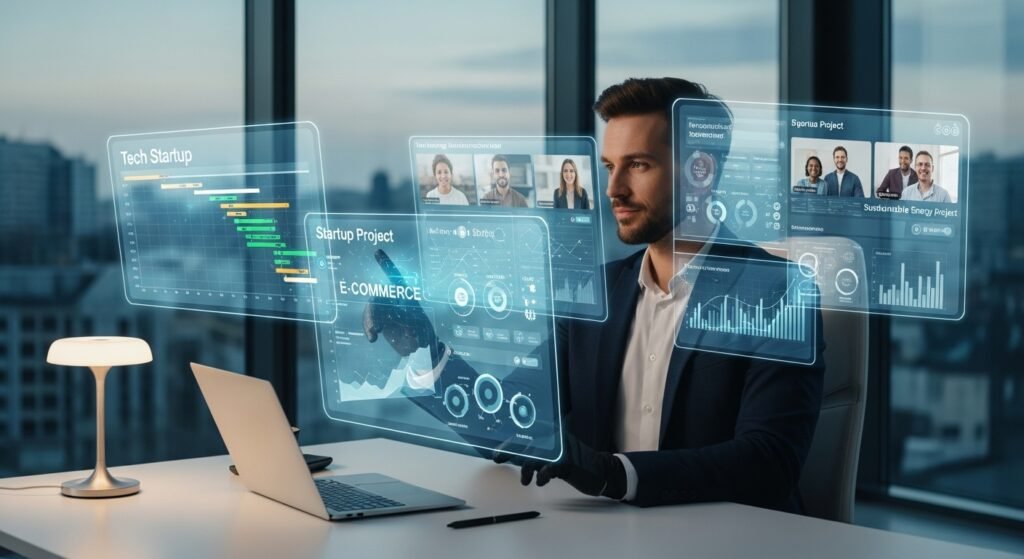
Companies are increasingly hiring “fractional” leaders—experts who work 10 hours a week for four different startups. Growing companies can now hire top executive staff through the fractional model which allows them to spend only partial salaries of full-time employees.
Climate-Adaptive Supply Chains

Companies are developing “predictive logistics” systems because severe weather conditions are more frequent. FedEx uses AI to reroute shipments ahead of storms which guarantees that food and medicine will reach their intended destination without being obstructed by emergency situations.
The Skills-First Hiring Shift
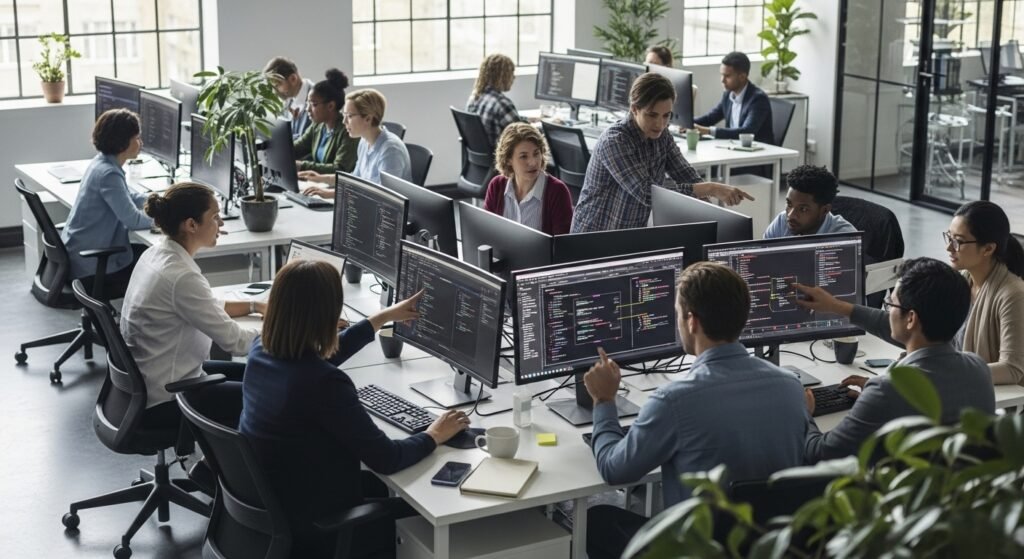
Major employers like Google and IBM are officially dropping degree requirements for many roles. The company uses “skills-based” hiring which measures an applicant’s ability to complete coding tests and design challenges as their most essential qualification.
Circular Economy Subscriptions

To cut down on waste brands are adopting the “lease-not-own” business model as their new standard. Customers pay a monthly fee to exchange premium furniture and designer clothing items which the company cleans and refurbishes before passing on to the next customer.
Biometric Payments at Scale
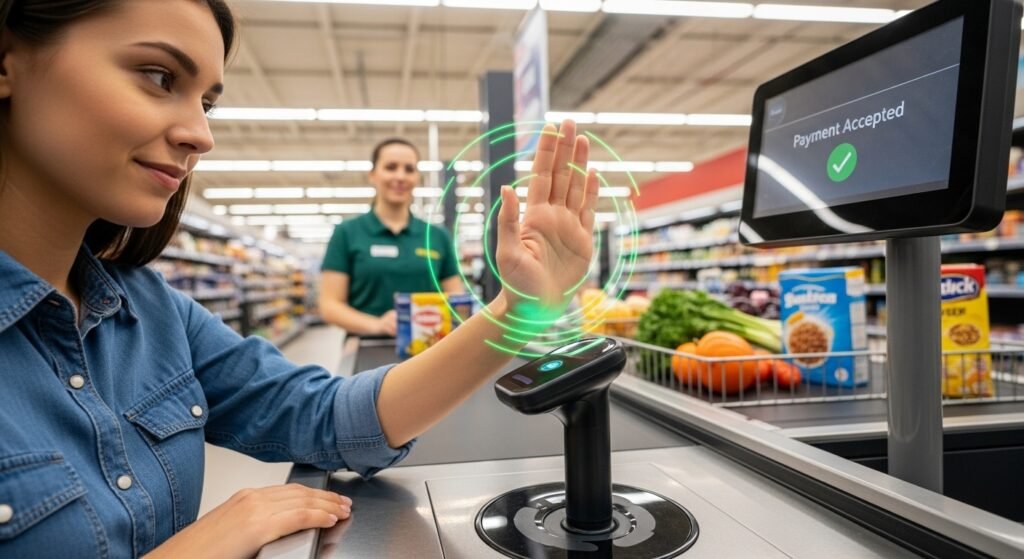
Your face or palm has become the new method for making credit card payments. Major retailers have introduced hand-wave scanners which enable customers to make payments through hand movements, resulting in quicker checkouts while stopping “card skimming” fraud from succeeding.
The “Office as a Hub” Model
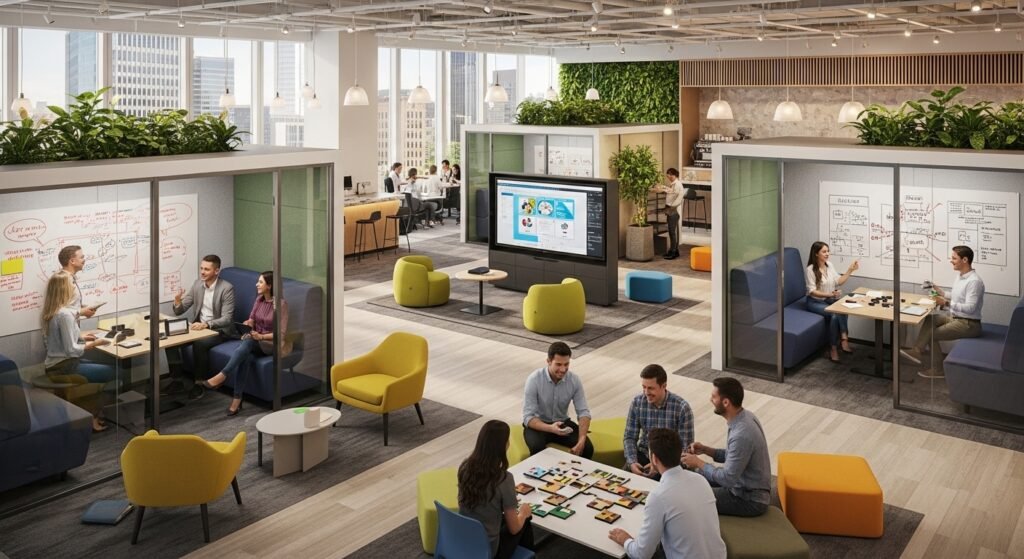
The five-day office work schedule exists no more yet companies still maintain their office spaces. Companies transform their facilities into “social hubs” which employees will use for group brainstorming and team-building activities while they will use their homes for all solitary work duties.
Green Energy Microgrids
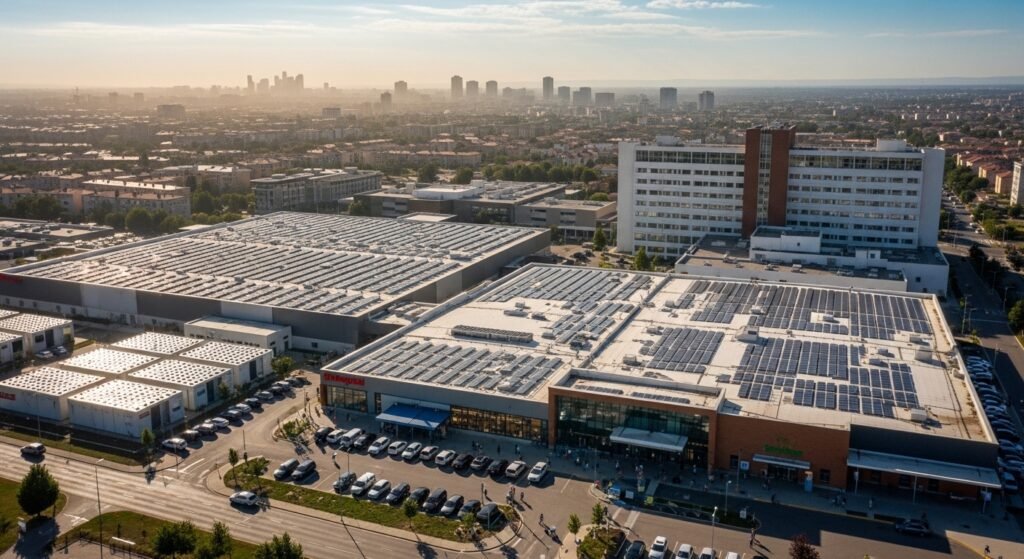
Large companies create microgrids that run on solar power and major battery systems to safeguard themselves from electrical service interruptions. Grocery stores and hospitals can maintain their complete functions during citywide power outages which happen during heatwaves.
