
The traditional credit card industry is facing a silent revolution from “Account-to-Account” (A2A) payments. A2A technology enables direct money transfers from buyer banks to seller banks without requiring credit cards to act as intermediaries for debt collection. The financial world is experiencing a transformation because this new system eliminates all its toll booths, which enables all parties to complete transactions with increased speed and reduced expenses and better visibility of their financial activities.
Eliminating Middleman Swiping Fees
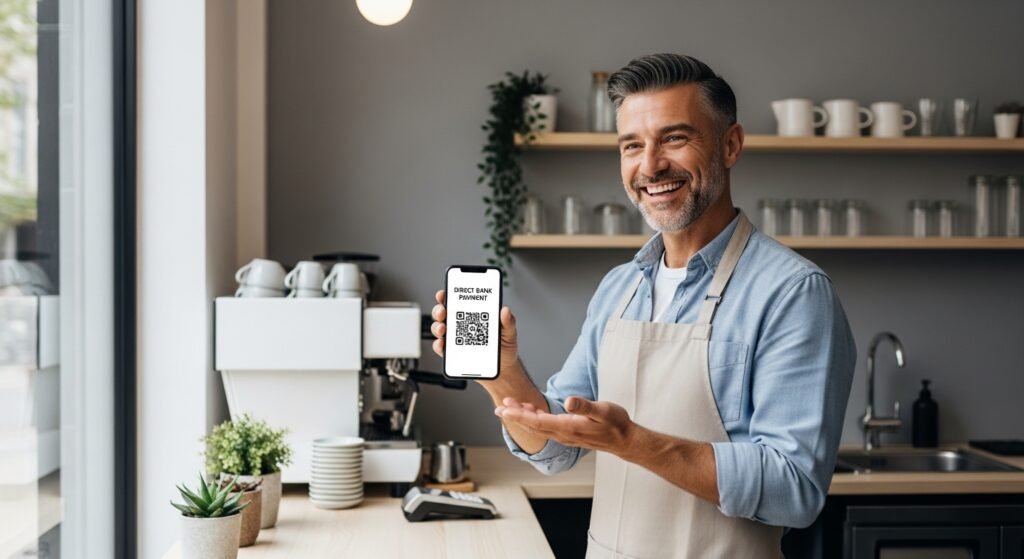
Merchants pay around 2% to 3% of every credit card transaction when customers use their credit cards. The A2A payment system eliminates all fees because the transaction proceeds without using the extensive credit network. A small coffee shop can save thousands of dollars annually through this method because it eliminates all unidentified bank expenses.
Instant Settlement for Businesses

Businesses receive credit card payments after a waiting period of three days. A2A payments happen in real-time. Customers who use India’s UPI system or Brazil’s Pix system can send digital money to street vendors, who will receive the funds at the exact moment the customer confirms the transaction.
The Death of the Physical Card
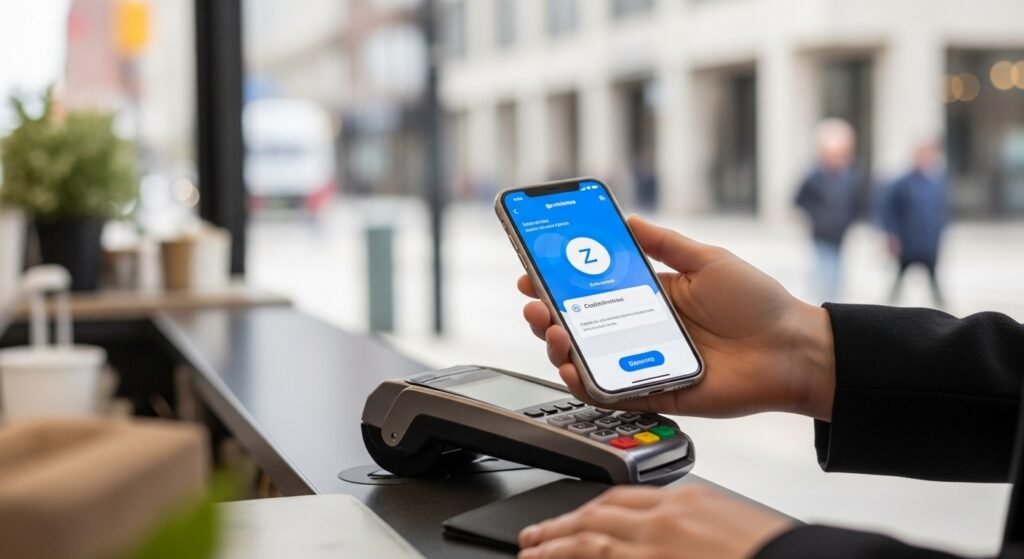
People use their phones to make A2A payments through either QR code scanning or biometric verification. Consumers can use Zelle and Venmo instead of carrying physical cards. The manufacturing expenses for making millions of cards decrease because this process eliminates the need to create waste products that end up in landfills.
Fraud Reduction via Bank Security
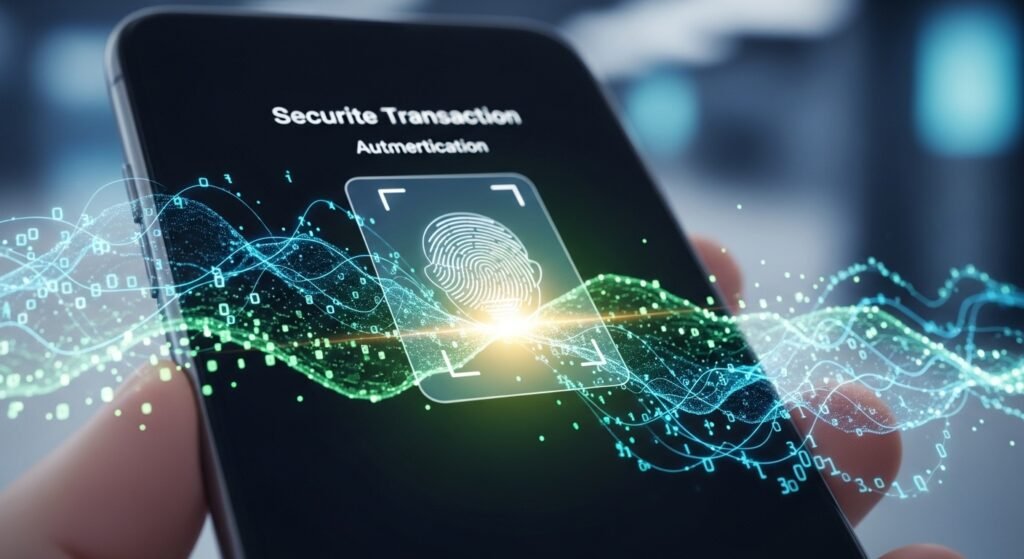
Credit card skimming allows criminals to steal card numbers. A2A payments use your bank’s existing high-level security, like FaceID or fingerprinting, to authorize every single move. You send an encrypted digital handshake instead of sharing a number with someone who is unknown to you.
Lowering Prices for Consumers
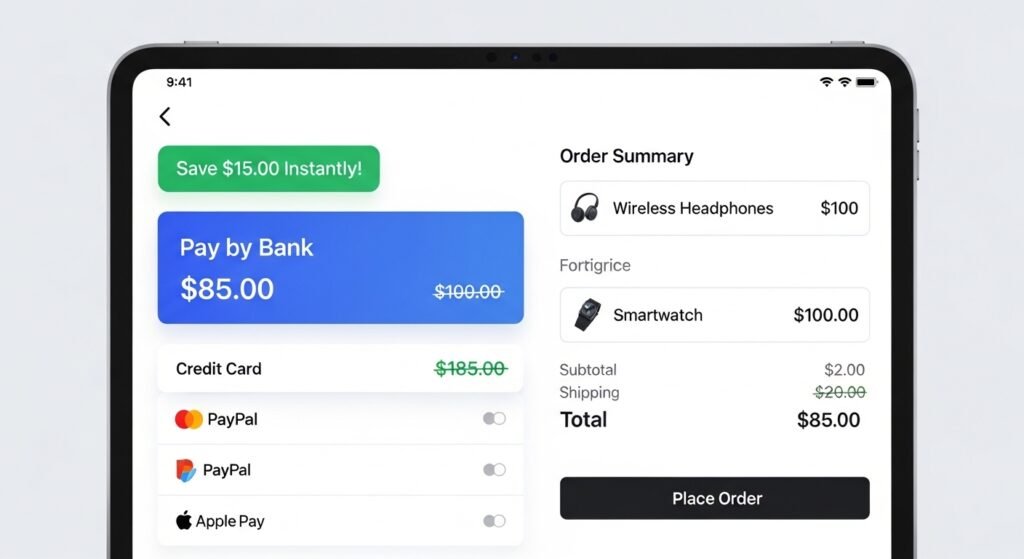
Businesses save money when they stop paying 3% fees to card companies, which allows them to lower prices for customers. Online retailers provide customers with lower prices when they choose to pay through “Pay by Bank” instead of using credit cards for payment processing at checkout.
Removing the Debt Trap
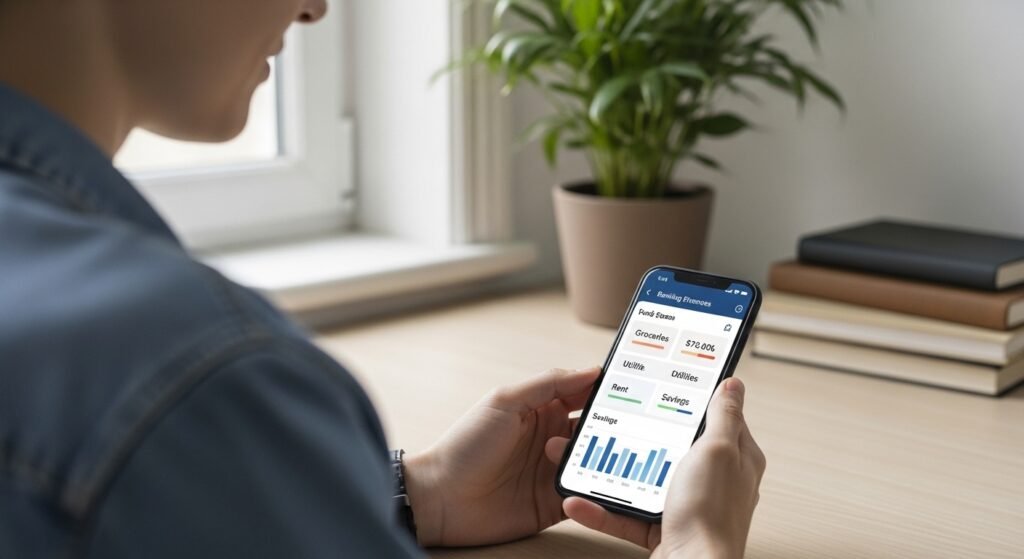
People who use credit cards tend to spend money that exceeds their available funds, which results in them accumulating high-interest debt. A2A payments require that money exists in your account before they can be executed. This system helps young spenders to remain within their actual financial limits through its real-money mechanism.
Simplified International Transfers
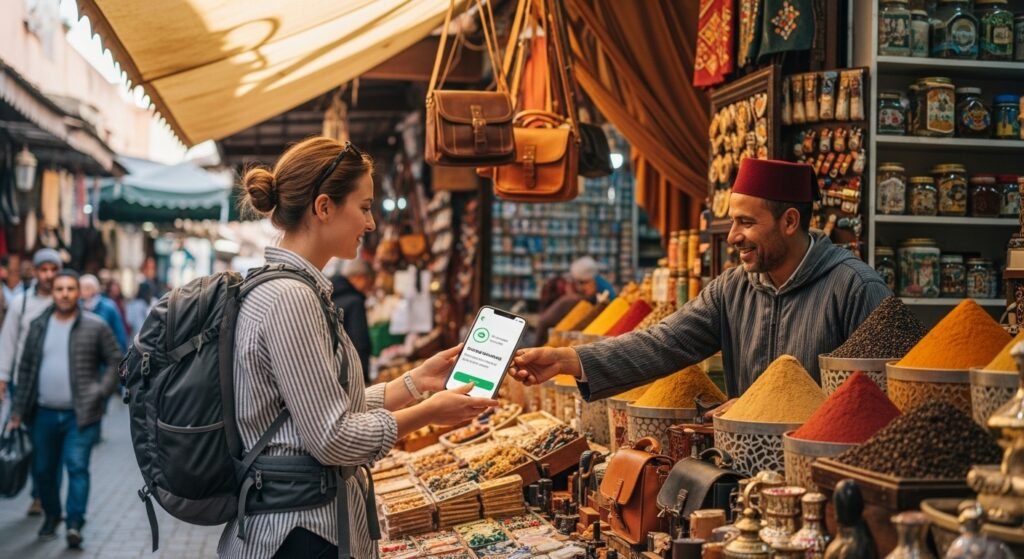
Travelers who use traditional cards must pay foreign transaction fees. Travelers can now make payments to local shops in international destinations by using their home bank applications that connect with new A2A networks which operate without imposing currency conversion markups.
Automatic Subscription Control
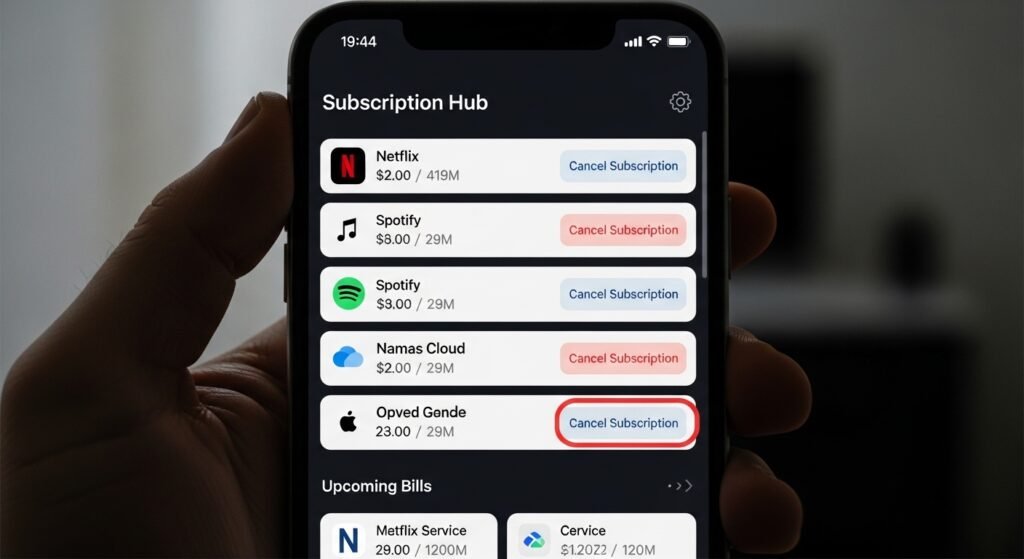
Customers become unable to terminate their subscription service after they have experienced subscription lockout. With A2A systems users can access their bank application dashboard to track all direct pulls while having the option to cancel them through a single click rather than needing to contact the card company for disputes.
Banking the Unbanked

Many people in developing countries face obstacles when trying to obtain credit cards because their credit scores fall below the required threshold. A2A payments enable millions of individuals to join the digital economy because these transactions need only a basic bank account and an inexpensive smartphone.
Direct Government Payouts
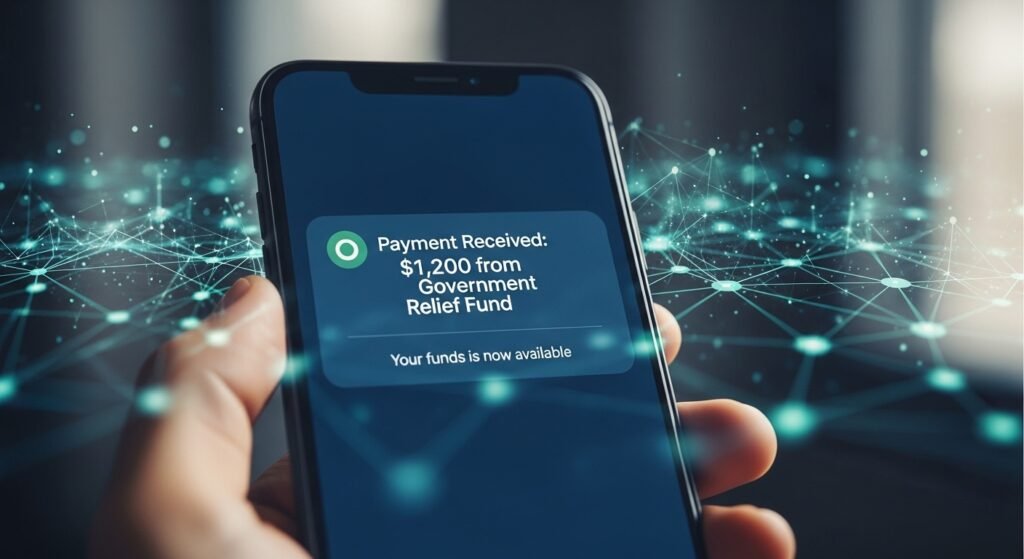
Governments use A2A networks to send emergency stimulus and relief payments directly to people’s phones during times of crisis. This process eliminates the requirement to mail physical checks and the suspension of prepaid card processing by card networks for government-related transactions.
