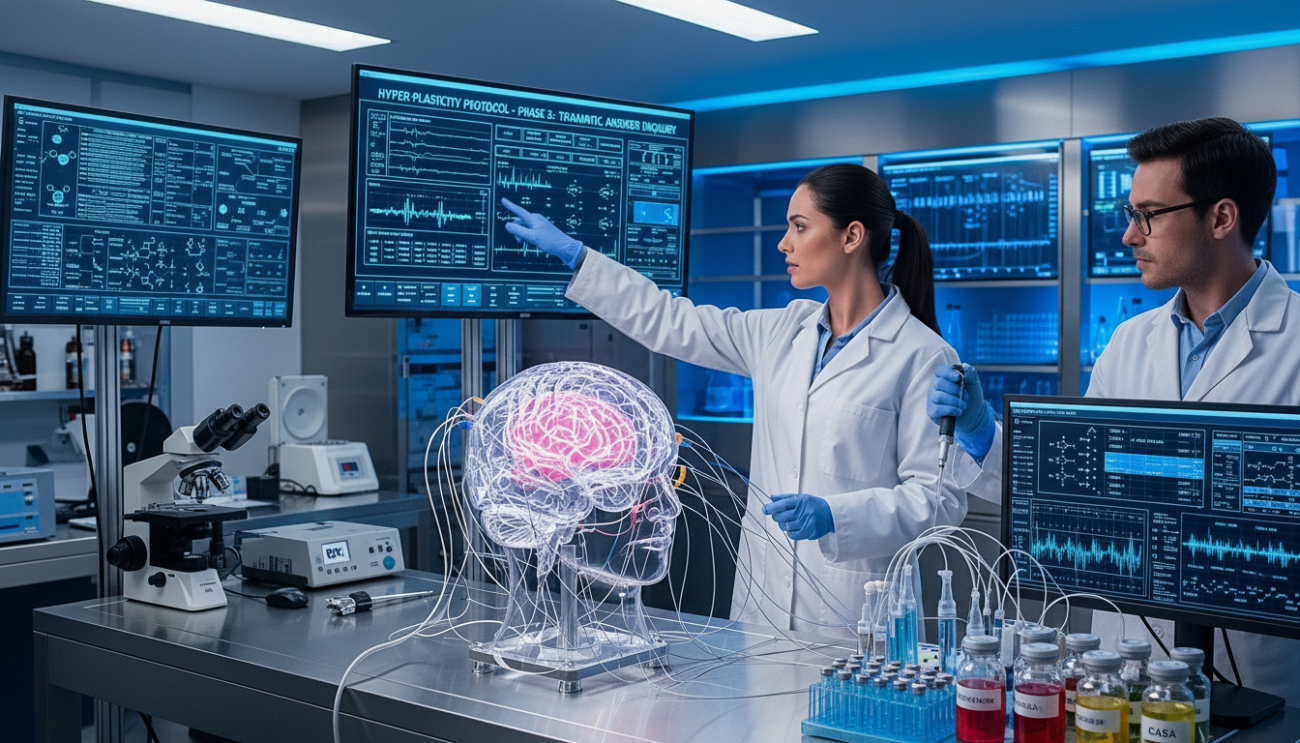
During hyper-plasticity, the brain learns at maximum speed — and memories can be overwritten or erased. Researchers are exploring how specific chemicals, frequencies, and techniques create brain states that wipe traumatic memories, from biohacking labs to neuroscience institutes.
The Propranolol Breakthrough
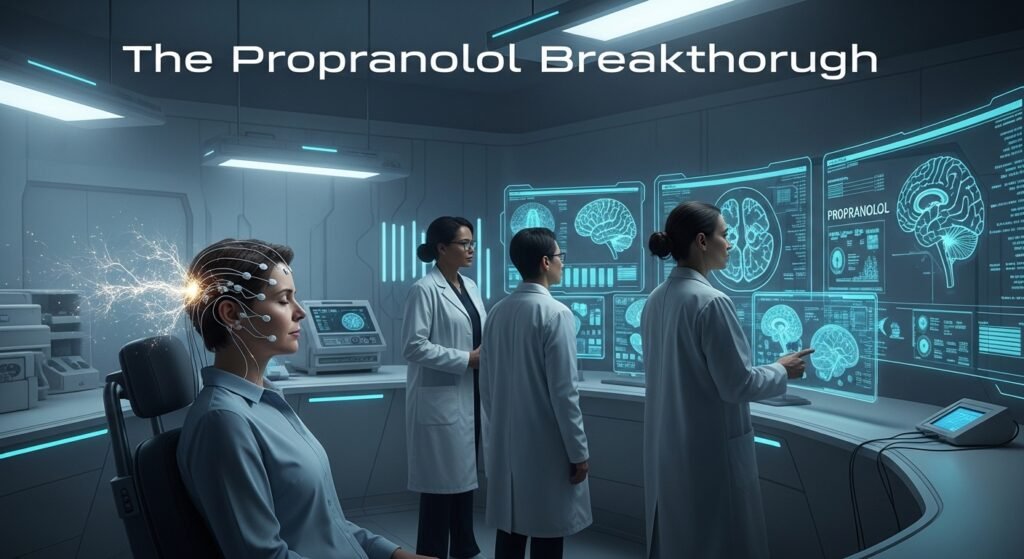
In clinical trials, scientists give propranolol to patients recalling traumatic experiences. The drug suppresses the body’s fear response, letting researchers manipulate memory reconsolidation to effectively erase the trauma.
The “Eraser” Hormone
Ghrelin, the hunger hormone, also affects how we store memories. Some researchers believe manipulating these hormones in the blood can trigger a brain state that disconnects old neural connections.
The “Tetris” Effect
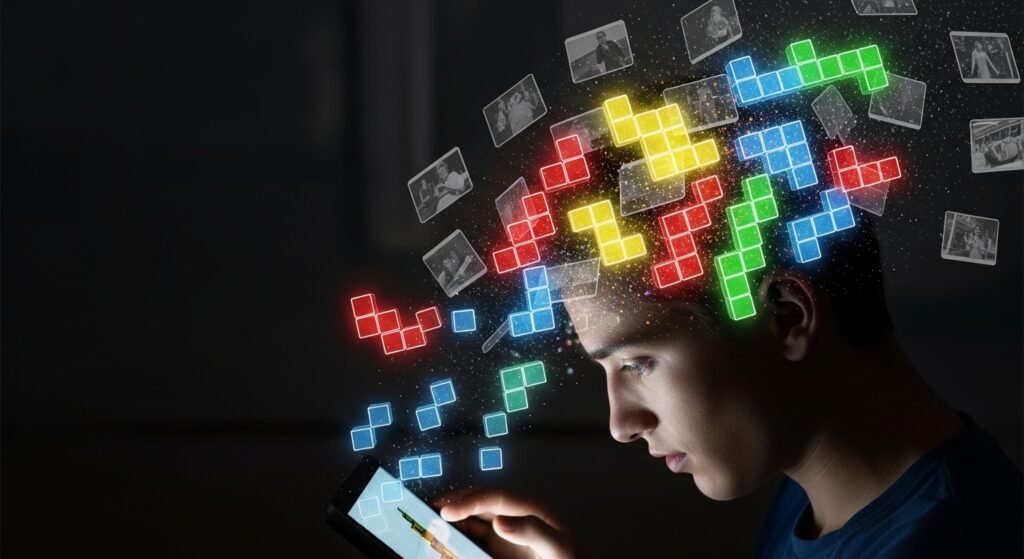
Researchers found that playing Tetris right after a traumatic incident blocks intrusive memories from forming. The visual task consumes the brain’s “bandwidth” during the plasticity window, preventing intense flashbacks.
Optogenetic Erasure
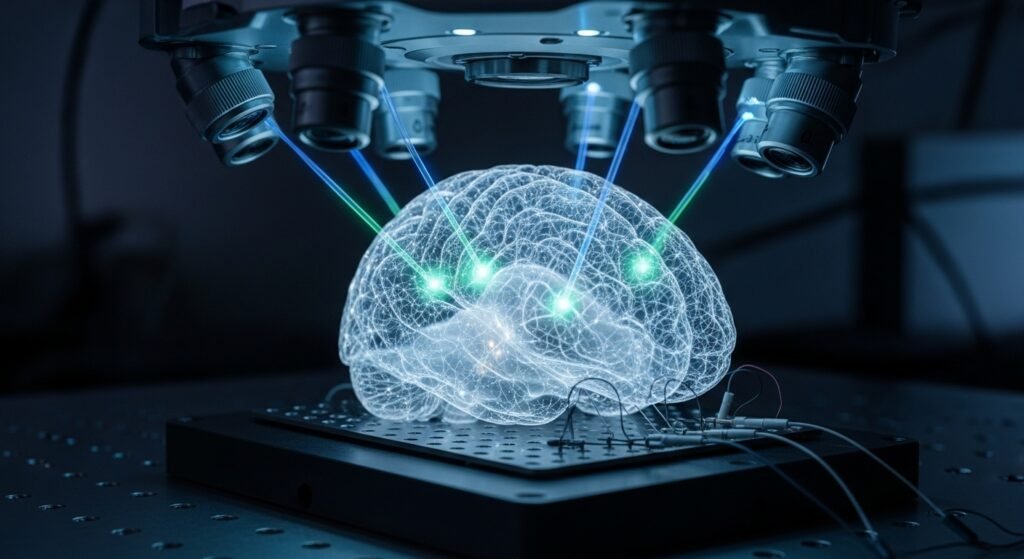
In lab experiments, researchers used light pulses to deactivate specific neurons in mice. By targeting the cells that stored a maze memory, they deleted it entirely — proving memories are physical tags that can be manipulated.
Sleep Deprivation as a Reset

Staying awake after a bad experience disrupts memory consolidation, since the brain locks in memories during deep sleep. Skipping that sleep window may prevent all but the most essential details from being stored.
The Protein Synthesis Block
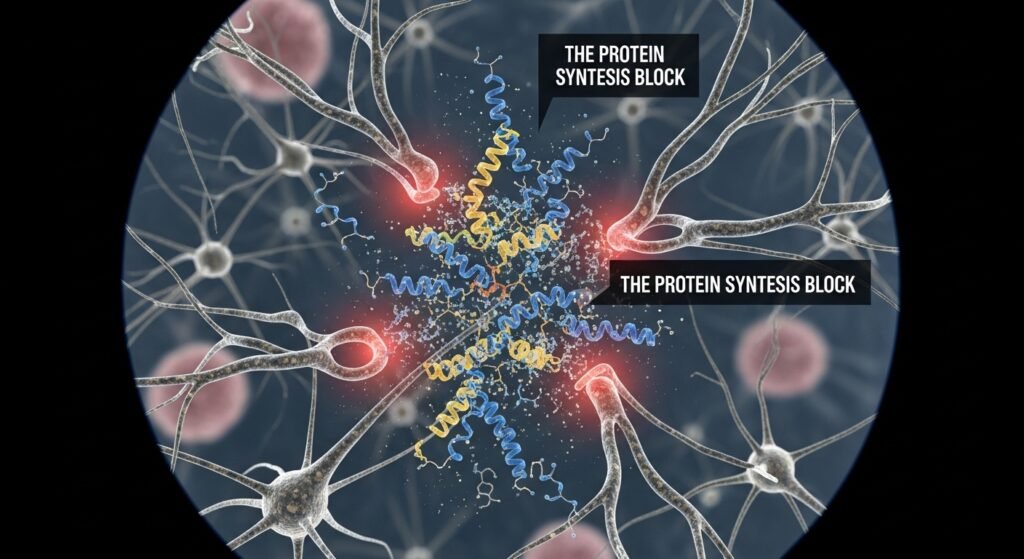
Memories need proteins to form permanent connections between brain cells. Scientists showed that blocking protein synthesis shortly after an experience stops memory formation cold.
Targeted Forgetting via Sound

Researchers discovered that specific sound frequencies played during sleep can erase targeted memories. Low-volume sounds linked to bad memories cue the brain to start deleting them.
The Digital Amnesia Trend

Our brains are changing because we outsource memory to smartphones. With everything searchable, the brain auto-deletes “unneeded” knowledge — people now forget basic facts their grandparents knew by heart.
