
The 35,000-foot cruising altitude isn’t for the view — it’s a business decision. Airlines fly high because high-altitude operations are fundamentally a profit strategy.
Thin Air and Fuel Efficiency

Higher altitudes mean thinner air and less drag, so engines work less to maintain speed. That fuel savings is worth thousands of dollars per flight for the airline.
The “Sweet Spot” Altitude
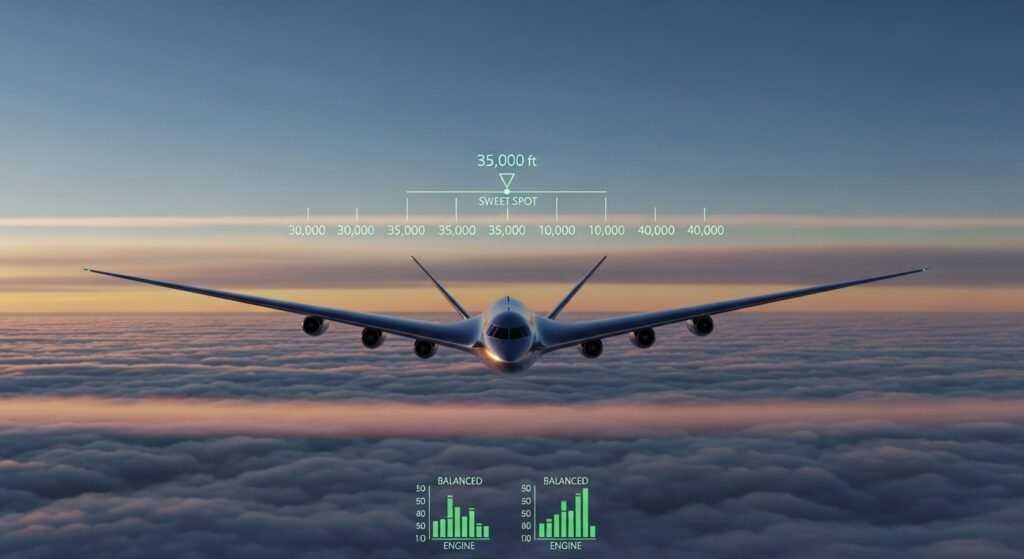
Jet engines hit peak efficiency between 30,000 and 40,000 feet. Lower means fighting dense air; higher means engines struggle for oxygen. Finding that sweet spot is the core job of airline financial planning.
Engine Longevity
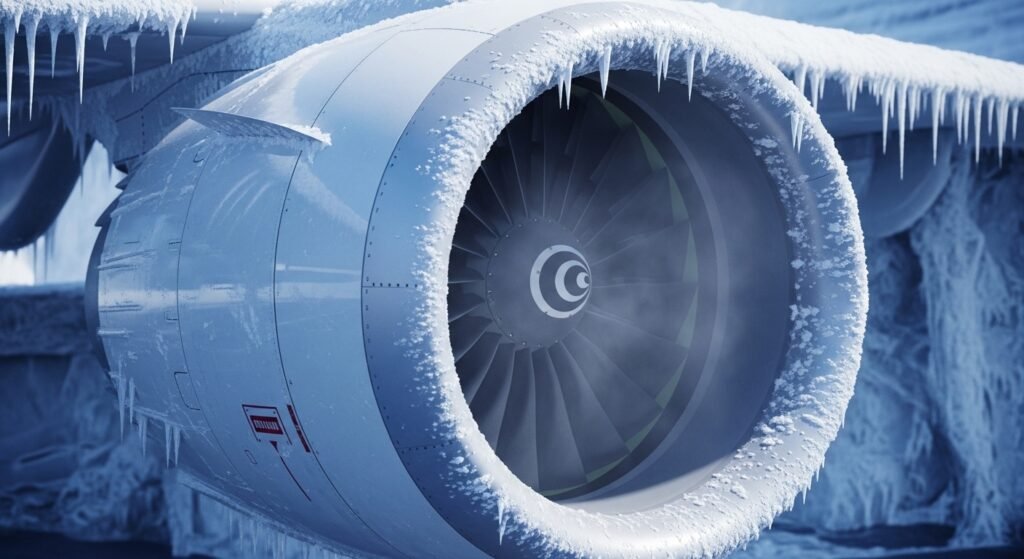
Engines running in cold, thin air stay cleaner and suffer less thermal damage. Fewer part replacements and less maintenance across an engine’s lifespan means millions saved.
Higher Speed, More Trips
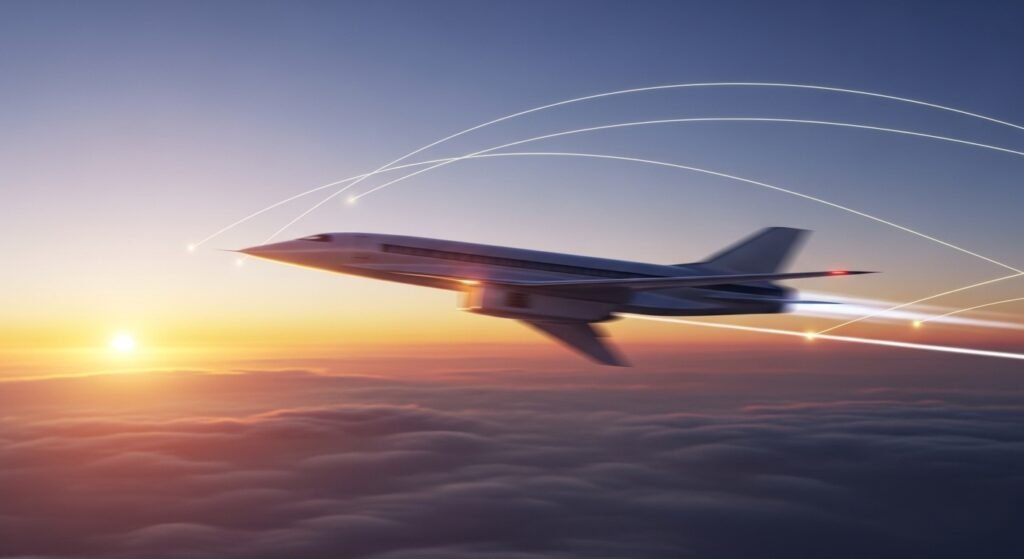
Thin air lets planes fly faster on the same power. Reaching destinations earlier means the same fleet can fly more trips per day — more revenue per seat.
Safety as a Financial Asset

After an engine failure at 35,000 feet, pilots can glide to a safe landing spot. At low altitude they’d have seconds to decide. That safety buffer protects the airline’s multi-million-dollar investment in each aircraft.
Weight and Balance Economics

Planes climb in steps as fuel burns off and they get lighter. This methodical “step climbing” keeps the weight-to-fuel ratio in profitable limits for the entire trip.
Avoiding Noise Pollution Fines
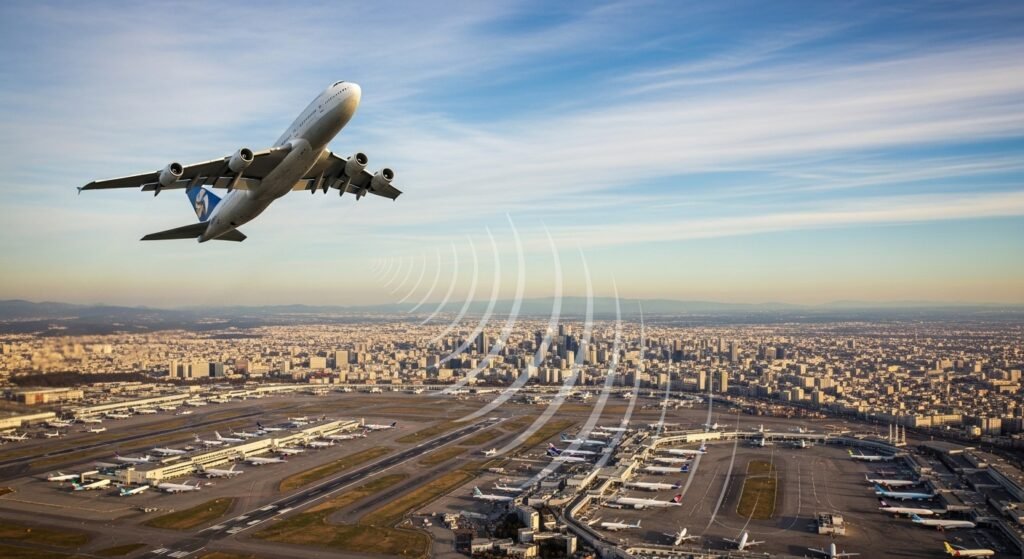
Airports and cities impose heavy fines for noise pollution. Rapid ascents put distance between engines and the ground fast, helping airlines avoid extra taxes and eco-penalties.
Standardization of Parts
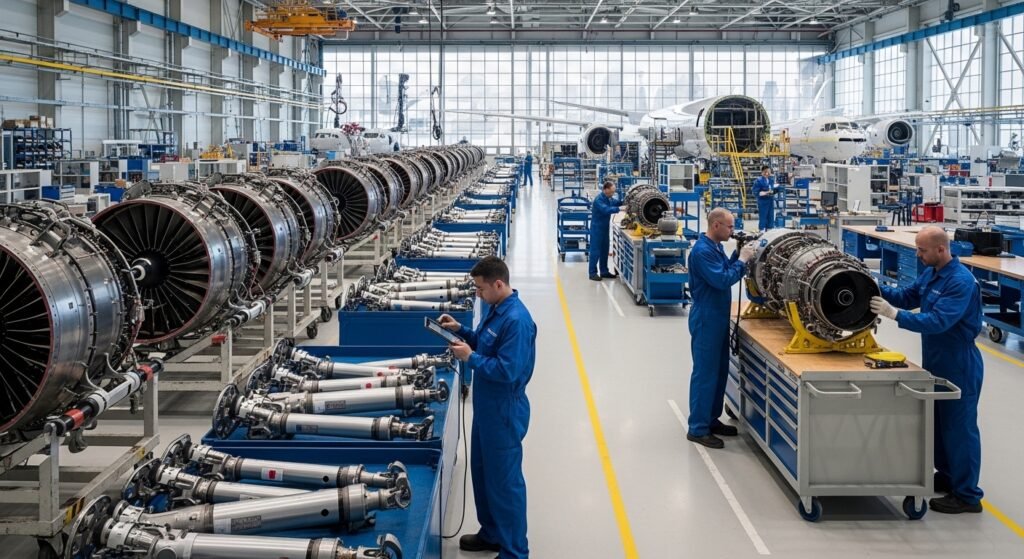
Because all airlines fly at similar high altitudes, Boeing and Airbus can standardize parts across models. Mass production keeps purchase and storage costs down for the entire industry.
Competitive Ticket Pricing

All these savings let airlines cut ticket prices while staying profitable. If planes cruised at 10,000 feet, fuel burn would triple — and so would your cross-country ticket.
