
Choosing between a franchise and a startup comes down to risk tolerance and how much control you want. Franchises offer a proven playbook; startups offer unlimited upside. Here is how the two paths compare on the 10 factors that actually determine which makes more money.
Lower Failure Rate

Franchises give investors stability because the business model is already tested. Startups fail far more often — but the winners earn dramatically more than any franchise, precisely because there are no corporate guardrails limiting them.
Upfront Investment Costs

Franchises demand franchise fees plus ongoing royalties that eat into earnings from month one. Startups can launch cheap, but you will spend heavily building brand recognition from zero.
Brand Recognition
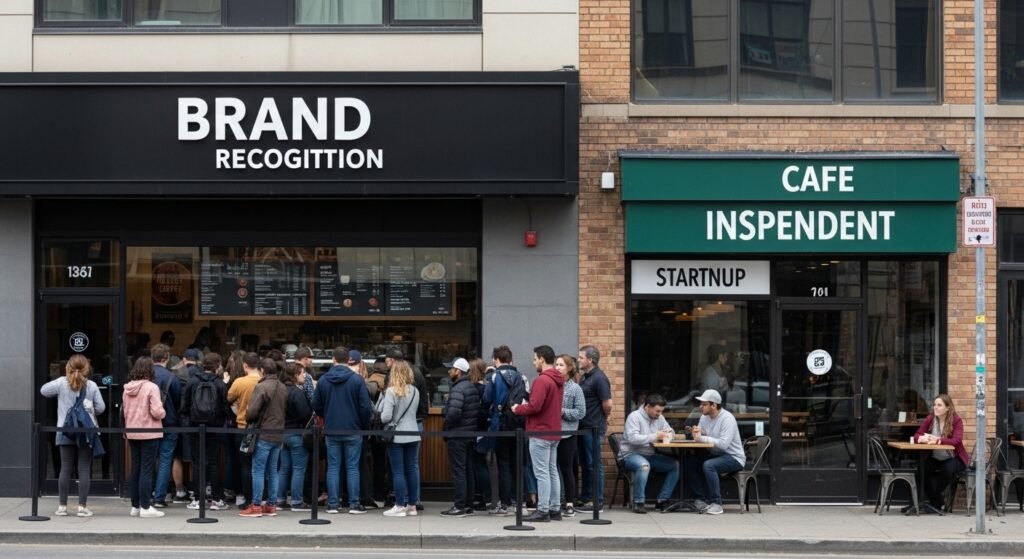
A franchise earns from day one on customer trust the brand already built. A startup may operate at a loss for months or years while paying to make the public aware it exists.
Scalability and Growth

Startups can scale without limits — new markets, new products, no permission needed. Franchise agreements lock you into a territory, capping your income by contract.
Profit Margins

Startup owners keep every dollar after expenses. Franchise owners send a cut of revenue to headquarters, so a franchise must generate significantly higher sales to match a startup owner’s take-home pay.
Speed to Profitability

Franchises are turnkey — open the doors and the system runs. Startups take longer to break even because every workflow, vendor relationship, and hire must be built from scratch.
Marketing Efficiency

Franchises get national advertising funded by the parent company, driving customers to your door. Startups fund their own lead generation — an unpredictable expense that can blow the budget.
Exit Strategy Wealth

Selling a successful startup can be life-changing because you own the intellectual property. Selling a franchise means selling a location plus a franchise agreement — which commands far lower prices than a proprietary brand.
Buying Power

Franchises buy inventory and supplies at negotiated discounts through the parent company’s scale. Startups pay retail or small-volume prices, squeezing margins on every sale.
Creative Freedom vs. Rules

A startup lets you execute your ideas immediately. A franchise requires following the operations manual to the letter — which limits your ability to maximize profits in your specific market.
