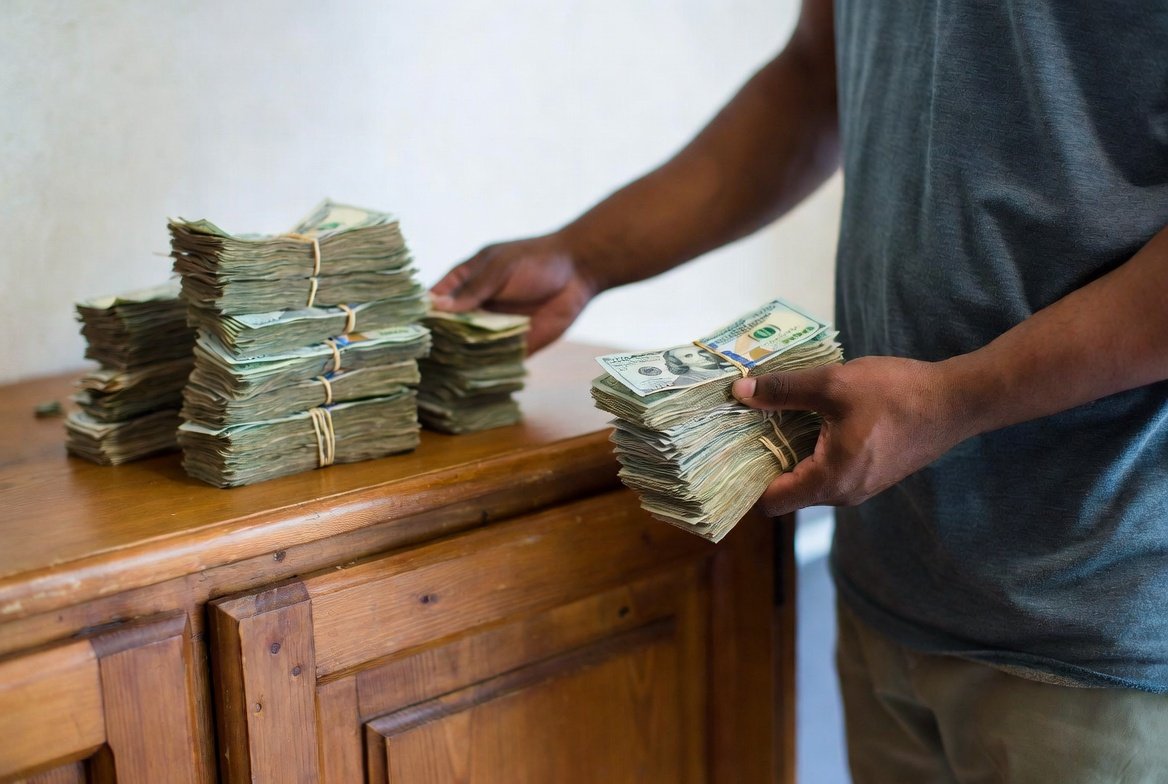
Most money management happens digitally, but emergencies like power outages, network failures, or natural disasters can make cards and banking apps useless. Keeping a modest cash reserve at home lets you buy food, fuel, and medicine when electronic payments fail.
1. The One to Two Thousand Dollar Rule

Financial experts recommend keeping $1,000 to $2,000 in cash at home. That range covers hotel costs, gasoline, and food during a major power failure or banking system outage.
2. Small Denominations Are Essential
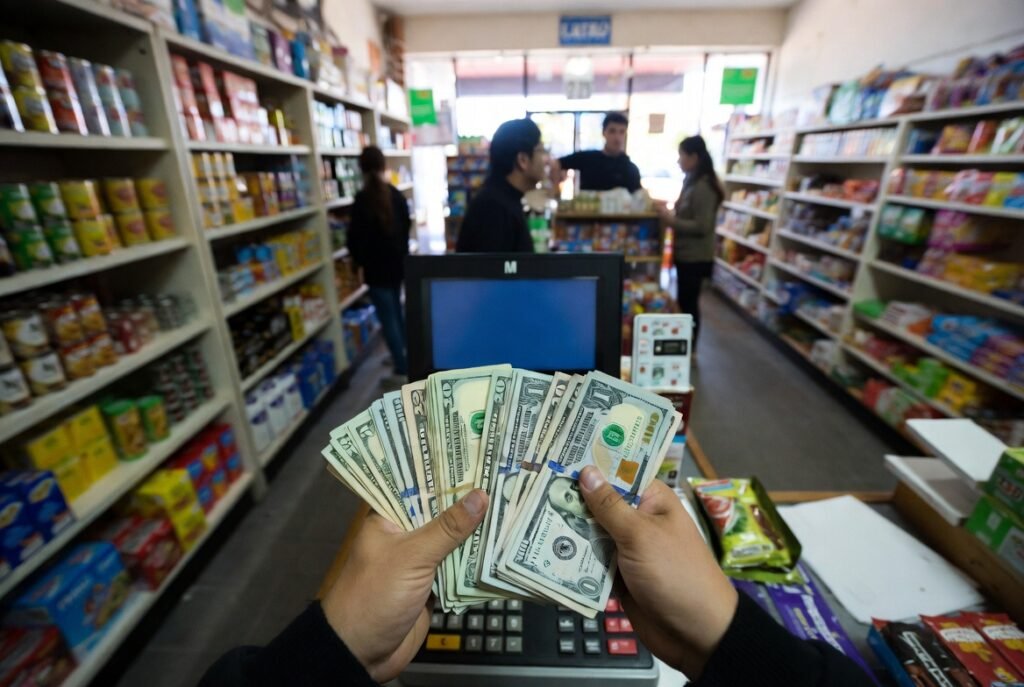
During outages, clerks lose access to registers and cannot make change for large bills. Stock mostly $5s, $10s, and $20s so you can pay exact amounts without depending on a shopkeeper having change.
3. The Three-Day Survival Minimum
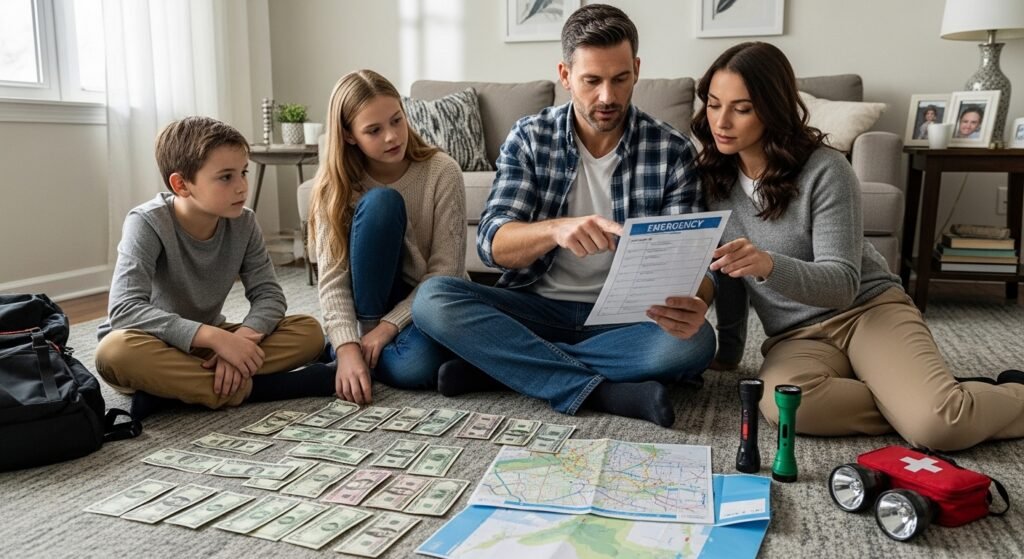
Keep enough cash to cover 72 hours of essentials for every household member: food, drinking water, and any necessary travel costs.
4. Account for Fuel and Transport
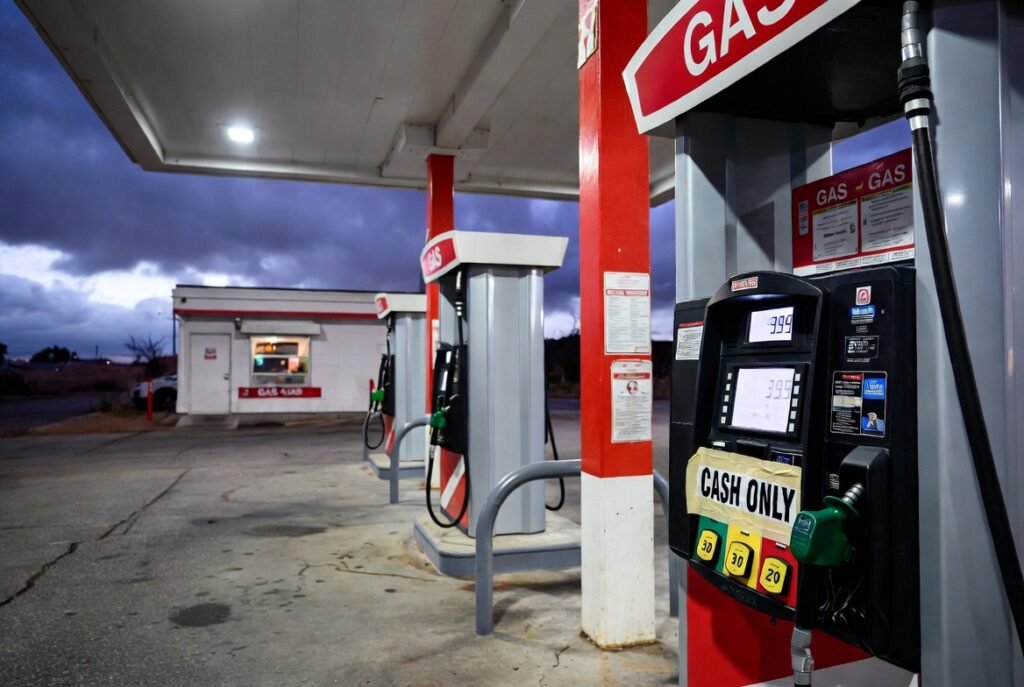
Emergencies may force you to drive out of the affected zone. Keep enough cash for two full gas tanks, since stations often go cash-only when card processing systems fail.
5. The Role of Coins
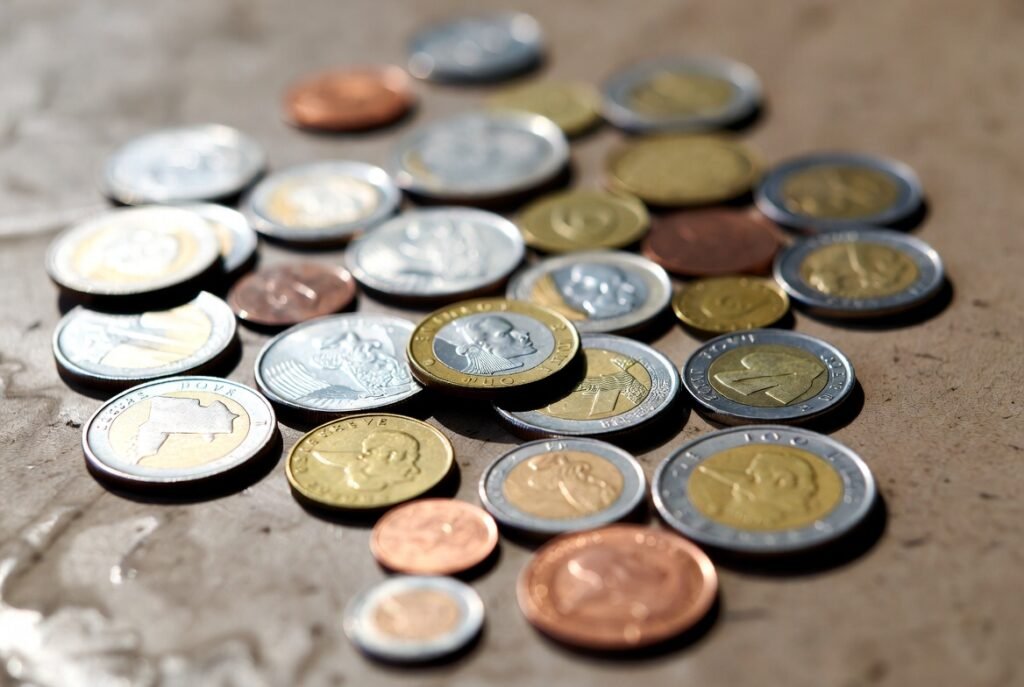
Do not overlook coins. A roll of quarters and a small bag of loose change cover vending machines, laundromats, and tolls when digital payments are down.
6. The Strategy of Multiple Hiding Spots
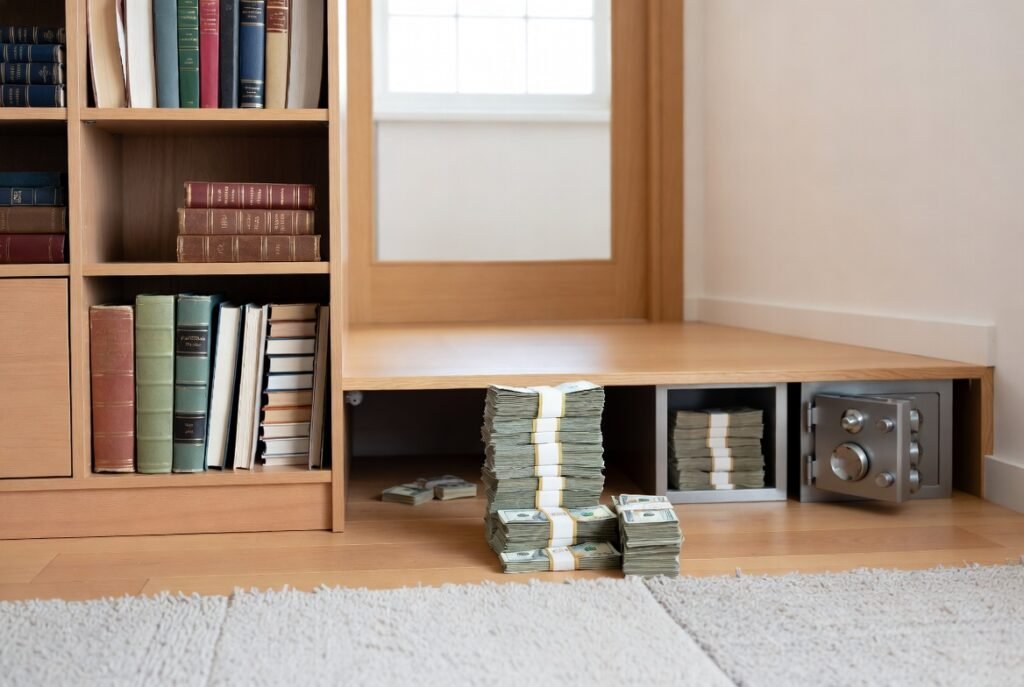
Split your reserve across several locations instead of one box. If one stash is discovered or lost, the others preserve your emergency funds.
7. Avoid the “Mattress” Cliche

Burglars know the classics: the freezer, under the mattress, the sock drawer. Choose creative plain-sight spots instead, like a cleaned-out pantry container or a hollowed-out book.
8. Update Your Stash Annually
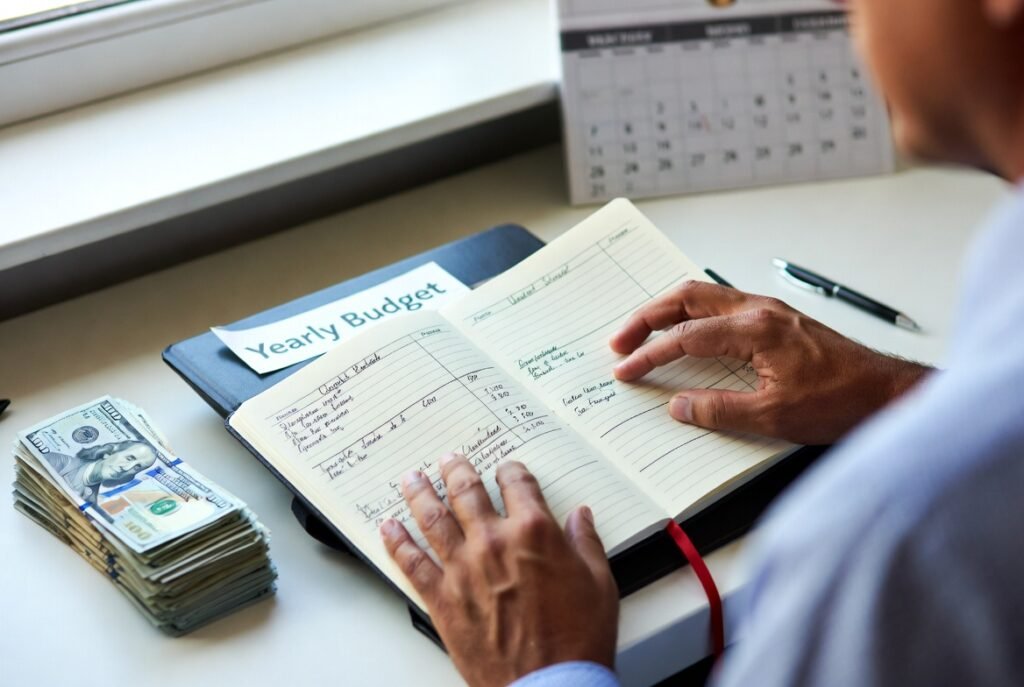
Inflation quietly shrinks a static stash. Review your reserve each year to confirm it still covers current local prices for essentials.
9. Keep It Separate from Regular Savings
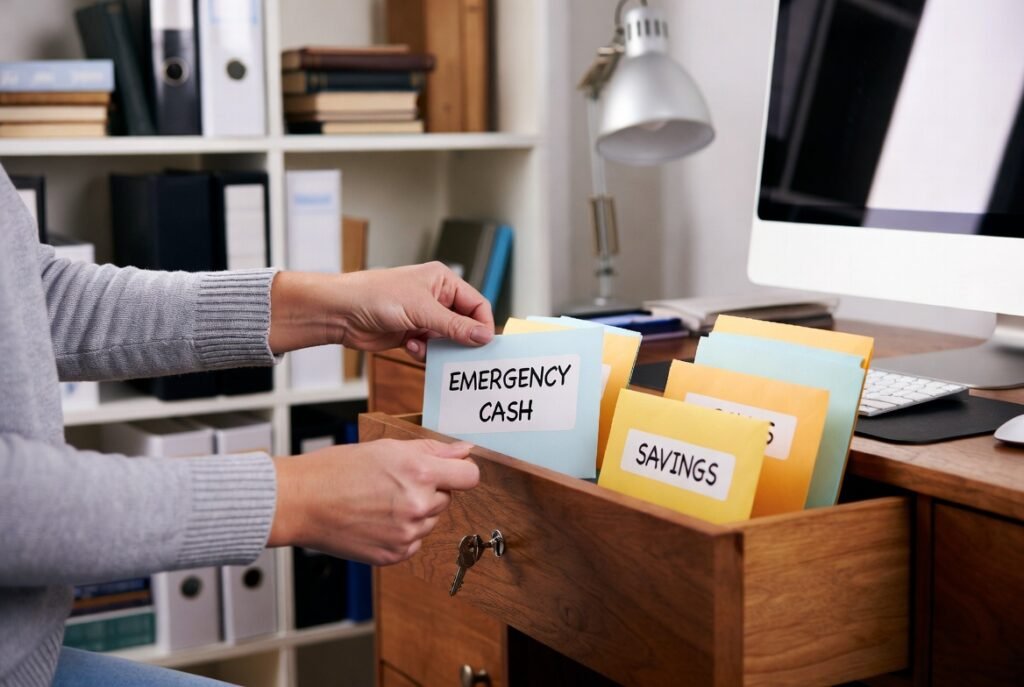
Treat this cash as insurance, not spending money. Dipping into it for pizza delivery defeats its purpose as an emergency resource.
10. Discretion Is Your Best Security

The fewer people who know about your reserve, the safer it is. Casually mentioning it to friends or relatives turns your home into a target.
11. Plan for Your Specific Needs
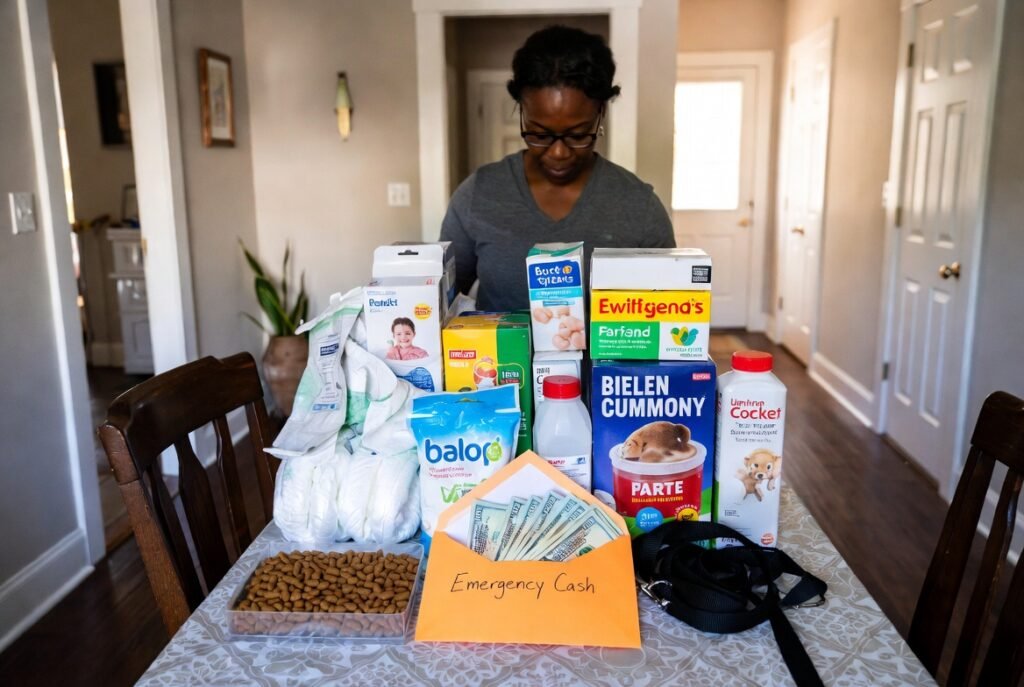
Adjust the amount for your household. Babies and pets raise your cash needs, so budget for diapers, formula, pet food, and medications that shelters may not provide.
