
The “then vs. now” school debate has taken over social media with millions of people arguing whether students today face more challenges than their parents did. Parents believe students face more difficulties because students have access to Google yet students claim students face more difficulties because their work volume and difficulty have reached an insurmountable level. The two different viewpoints demonstrate how educational systems have undergone fundamental changes throughout the past several decades.
The “Information Overload” Effect

Parents often argue that they had to spend hours in libraries looking through physical books. However, students today point out that having “too much” information is its own challenge. They must filter through millions of sources to find credible data which leads to a phenomenon known as “decision fatigue” that their parents never faced.
Radical Curriculum Inflation

Colleges have raised their educational standards because current college programs require students to learn what they previously taught at the college level. Advanced calculus and high-level computer science programs have been moved to earlier grades so students can meet international educational requirements. The “curriculum creep” process results in students needing to learn more complicated subjects at younger educational levels.
The 24/7 Digital Classroom

The school day ended at the bell during past times of education. The “school day” operates continuously because Google Classroom and Slack allow students to access educational content throughout the entire day. Students receive assignment and grade notifications at dinner time and on weekends and after nighttime, which stops them from being able to rest and “switch off.”
Sky-High College Expectations
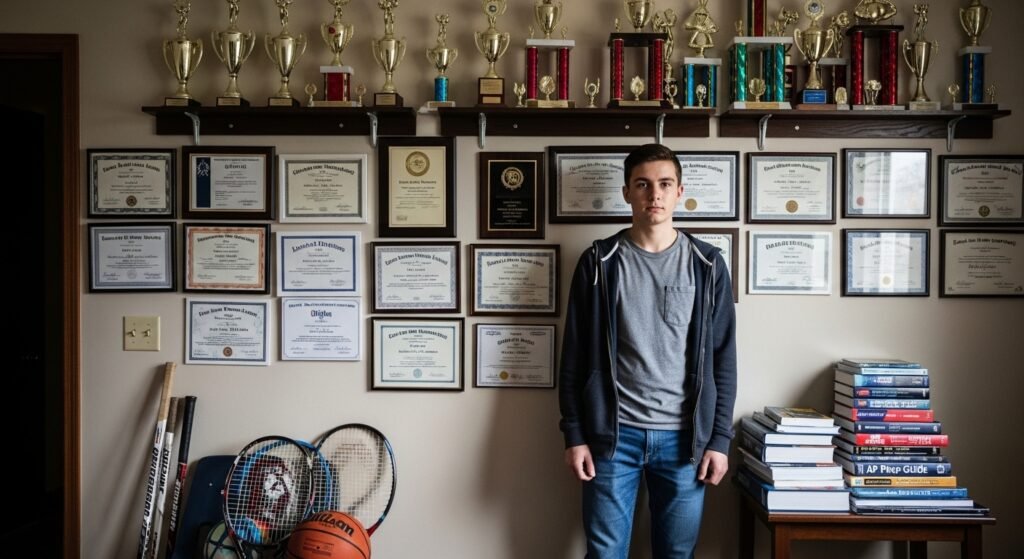
A good GPA and one club membership provided students with enough qualification to gain access to decent universities during past decades. Students believe they must achieve a “perfect” resume which includes a 4.0 GPA and multiple AP classes and varsity sports and founding non-profits. The “well-rounded superstar” requirement has created a situation where people strive for perfect results through obsessive behavior.
The Death of “Rote Memorization”

Parents grew up in a system that valued memorizing dates and formulas. Modern educational systems emphasize students developing their critical thinking skills and ability to apply knowledge. Modern educational systems require students to analyze and synthesize information which requires more mental effort than students need to memorize facts for their exams.
The Mental Health Crisis

The introduction of social media creates an extra layer of social anxiety which previous generations never had to experience. Students constantly check their academic progress against “perfect” peers online which leads to increased burnout rates and academic anxiety symptoms.
Lack of Traditional “Life Skills”

Parents often complain that kids don’t know “real world” skills like balancing a checkbook. Students say they lack time for these skills because their eight hours of school and four hours of homework and extracurricular activities take up their whole schedule.
The Disappearing “Entry-Level” Job
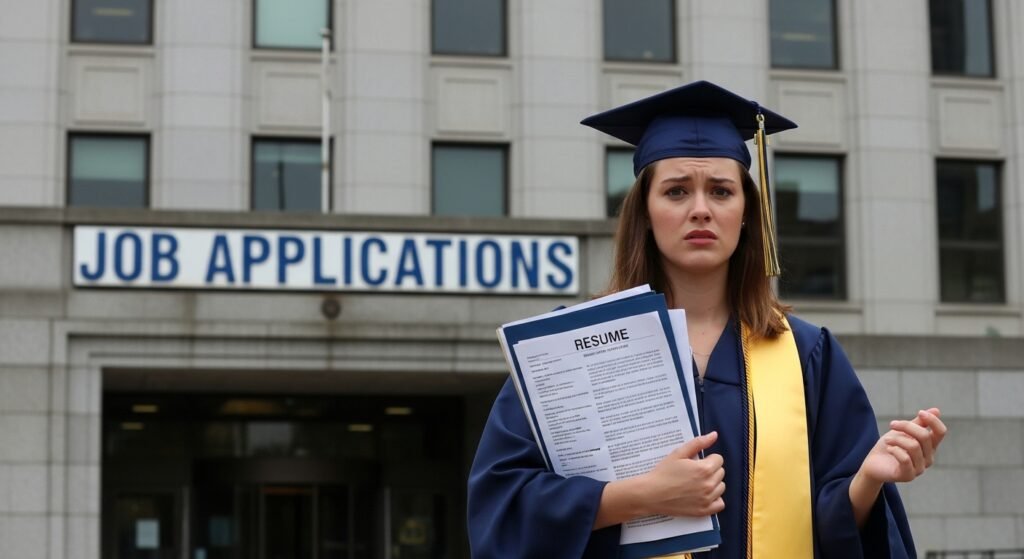
The higher stakes create more pressure on students. The high school diploma used to provide enough qualification for middle-class living but now even college degrees are treated as the minimal requirement. Each grade becomes a critical moment which decides their fate in life.
Parental “Helicoptering”

The parents who believe school is simpler for students actually create the most educational pressure for their children. Parents can monitor digital “grade portals” which enables them to see missed assignments or low quiz scores, which instantly removes students’ ability to manage their educational responsibilities.
The Cost of Failure

The cost of recovery from test failure has increased to the point that students view test failure as a serious financial loss that occurs due to rising tuition costs. The economic pressure makes the “easy” school days of the past feel like a luxury that modern students simply cannot afford.
