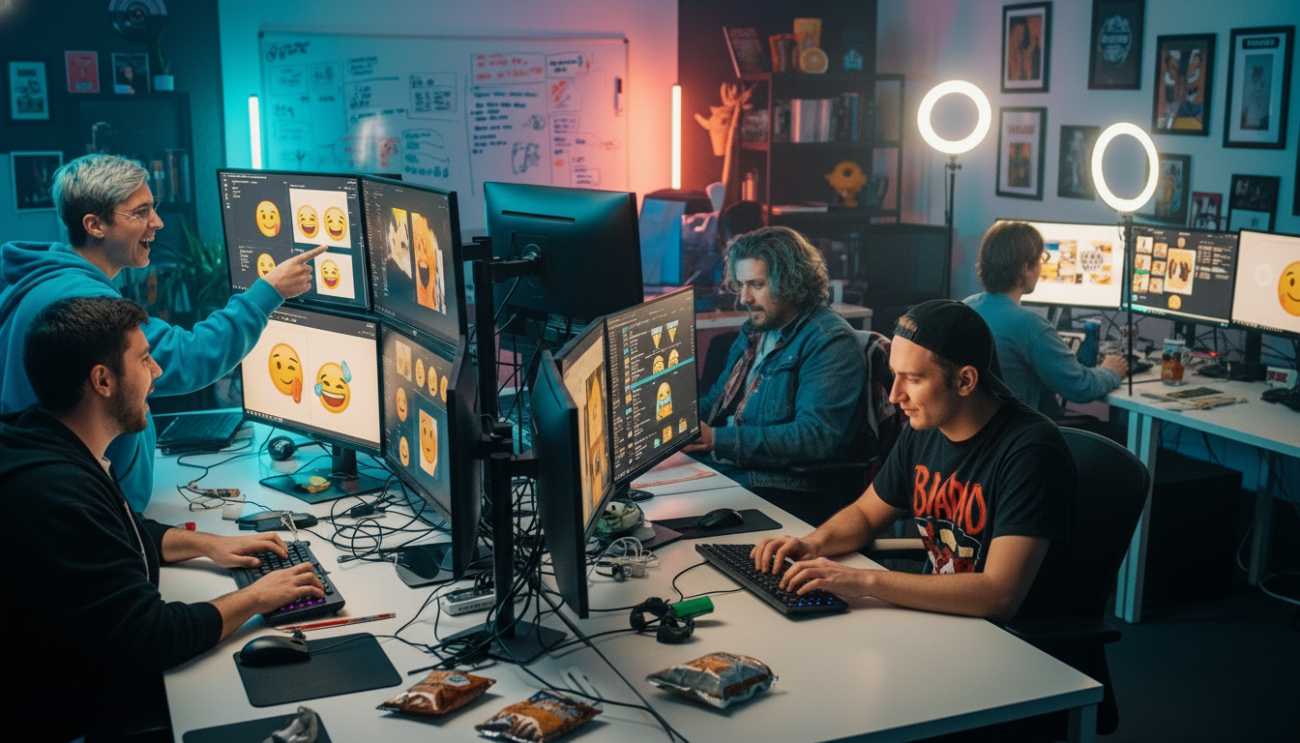
The brand era begins in 2026 when companies start using teenage informal energy to attract customers. Companies use “unhinged” behavior as their only method to establish genuine human connections because AI-generated “slop” and polished ads dominate the entire market. Brands utilize inside jokes with self-deprecating humor through their casual tone to establish digital characters who become human to their audience.
The Death of Capitalization
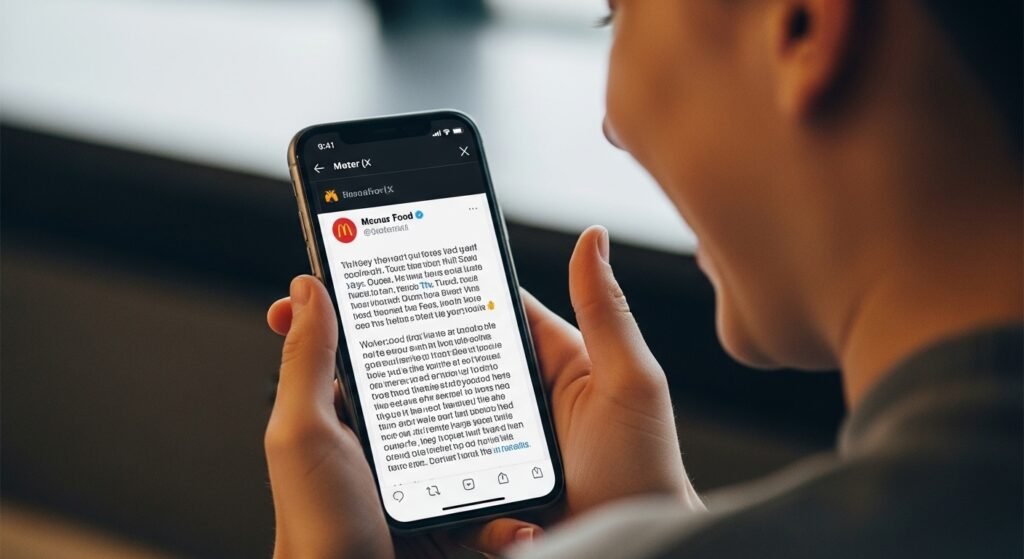
McDonald’s and Taco Bell now tweet using only lowercase letters while they disregard standard grammar rules. The “lowercase aesthetic” provides a billion-dollar brand with a social media appearance that resembles how teenagers text their friends.
Self-Roasted Marketing
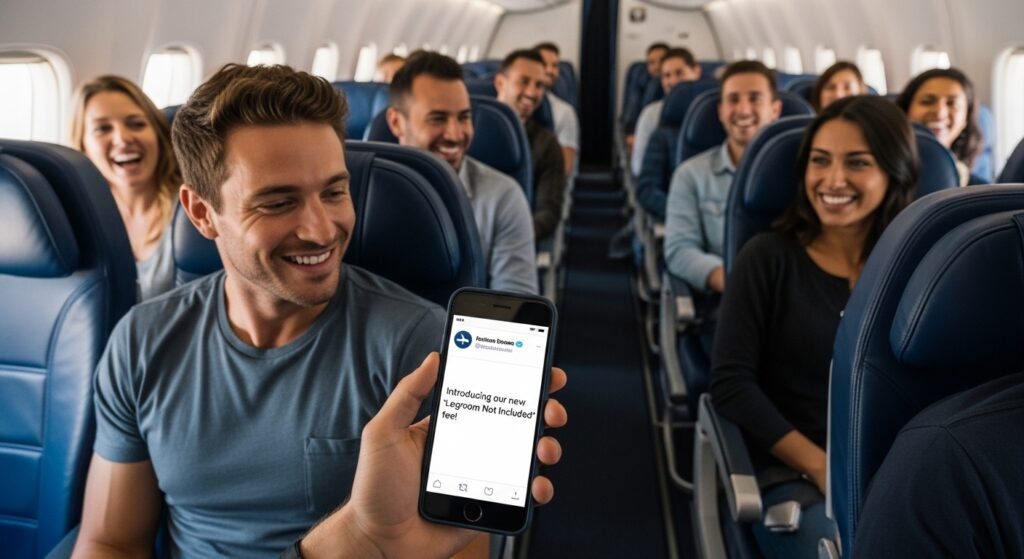
Ryanair uses customer complaints as a marketing tool since they choose to emphasize problems instead of hiding them. The company uses self-mocking humor to make fun of their “extra fees” and limited legroom which transforms their critics into fans of their brutally honest yet entertaining brand.
The “Main Character” Mascot
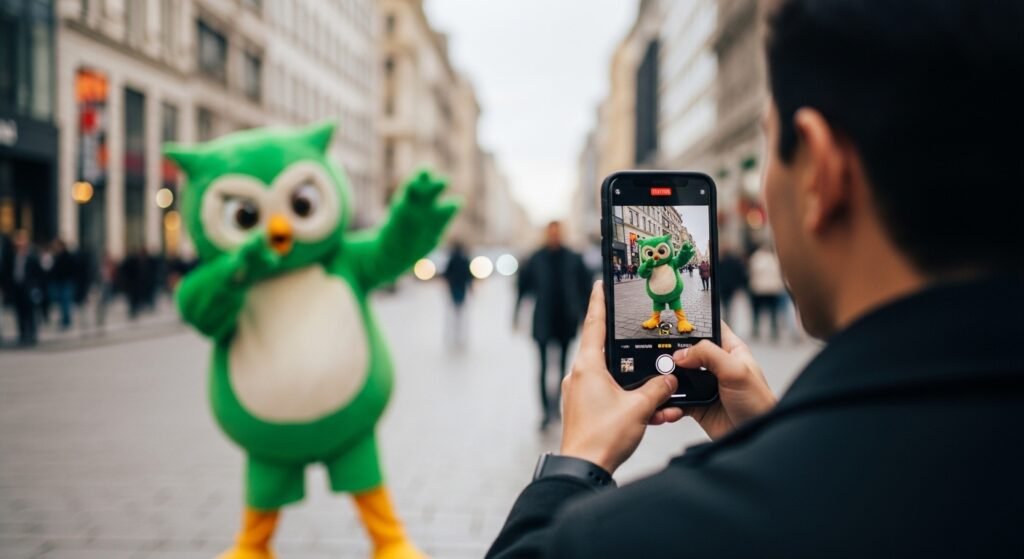
Duolingo turned its green owl Duo into a TikTok star who creates chaos by threatening users who miss lessons. The company transformed its mascot from a basic utility app into an entertaining viral account through their sassy character development.
Embracing “Brain Rot” Humor
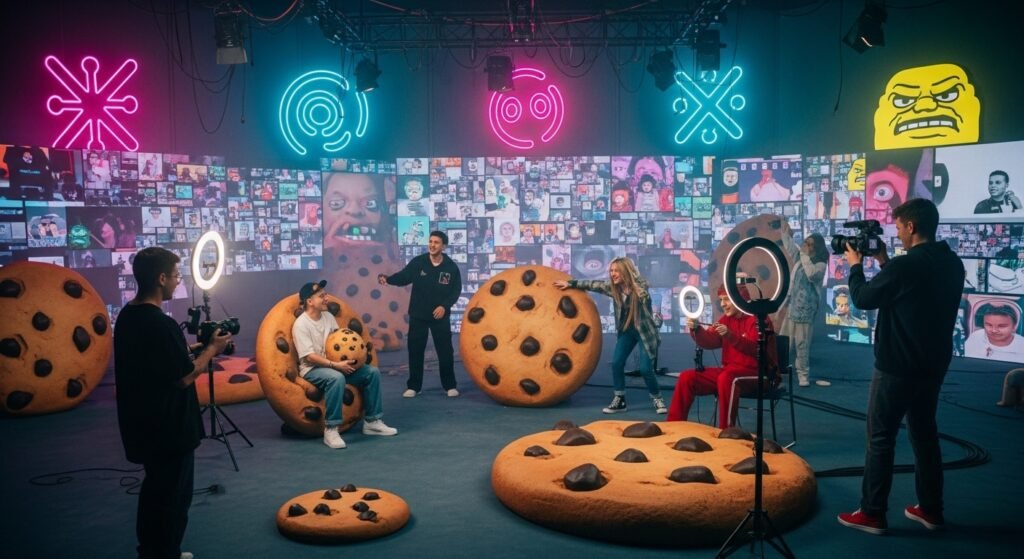
Brands are now using surreal, nonsensical memes—often called “shitposting”—to stop the scroll. The Nutter Butter brand currently uses fever-dream visuals which have no logical connection to their product because it attracts Gen Z and Gen Alpha who prefer unusual content over conventional advertising.
Breaking the Fourth Wall

Modern brands aren’t afraid to admit they are trying to sell you something. Chipotle uses its social media to create meta-humor about “the marketing intern” who struggles with work, which creates an “us vs. the boss” connection to younger audiences.
Interactive “Chaos” Challenges
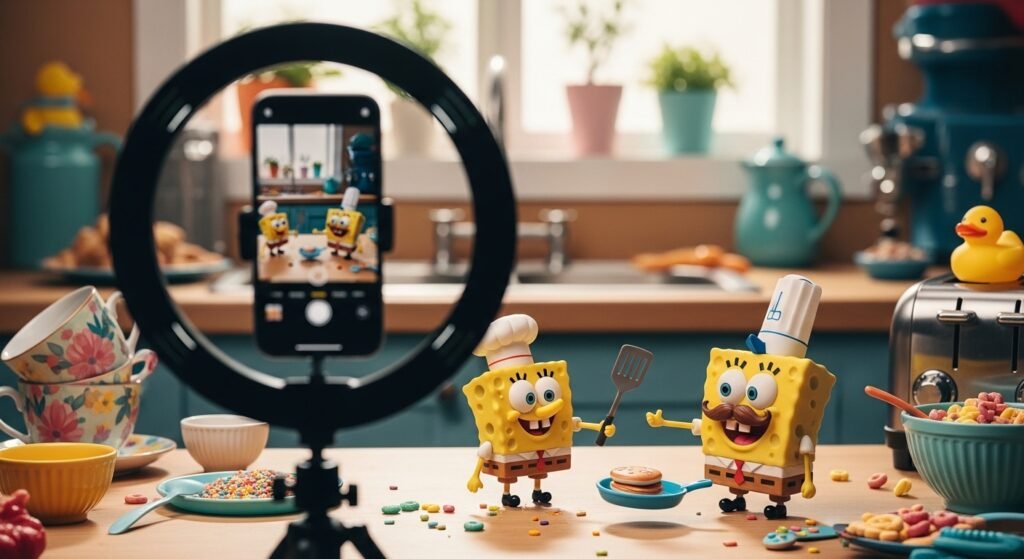
Scrub Daddy uses its sponges in bizarre, personified skits on TikTok. The company builds loyalty through their viral content which consists of non-cleaning material because their audience enjoys both comedy and their products.
The “Soft Launch” Strategy
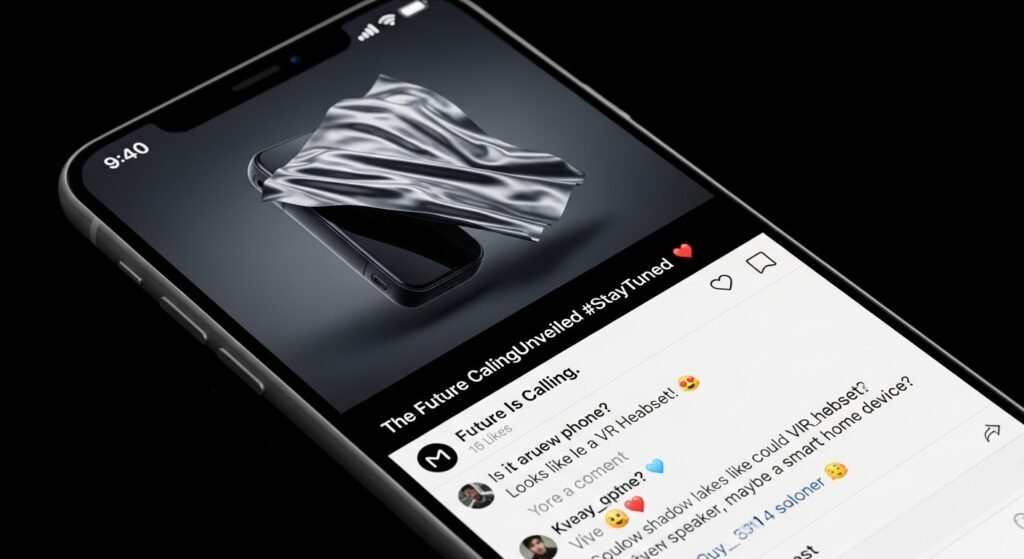
The current brand strategy uses “soft launches” to create product anticipation through their hidden product promotion. The new partner reporting system works like a social media post which enables fans to decipher the message through their comments.
Anti-Professionalism on LinkedIn
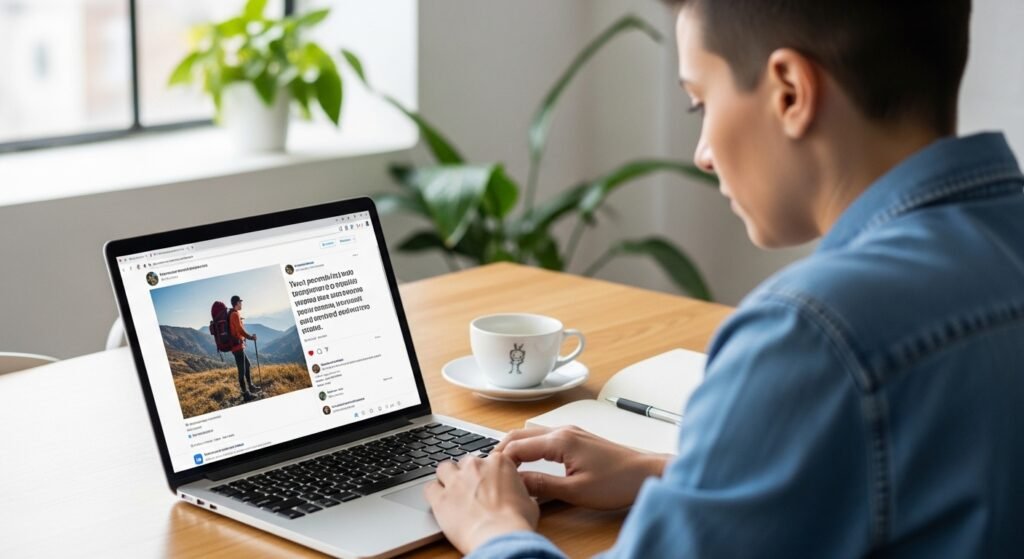
Even the world’s most professional platform is seeing a shift. The B2B sector now uses storytelling and vulnerability to replace “corporate speak” because business decision-makers prefer authentic updates instead of formal ones.
Meme-Based Product Development
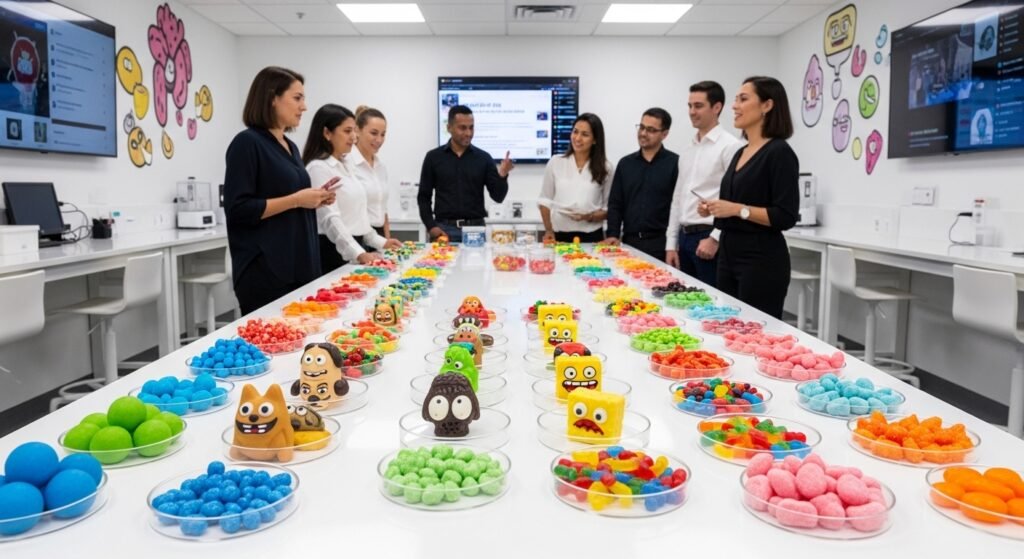
Brands now create products based on internet jokes. The real-life release of “Mustard” flavor by Skittles demonstrates that they pay attention to the most unusual parts of online content.
Prioritizing Vibes Over Value
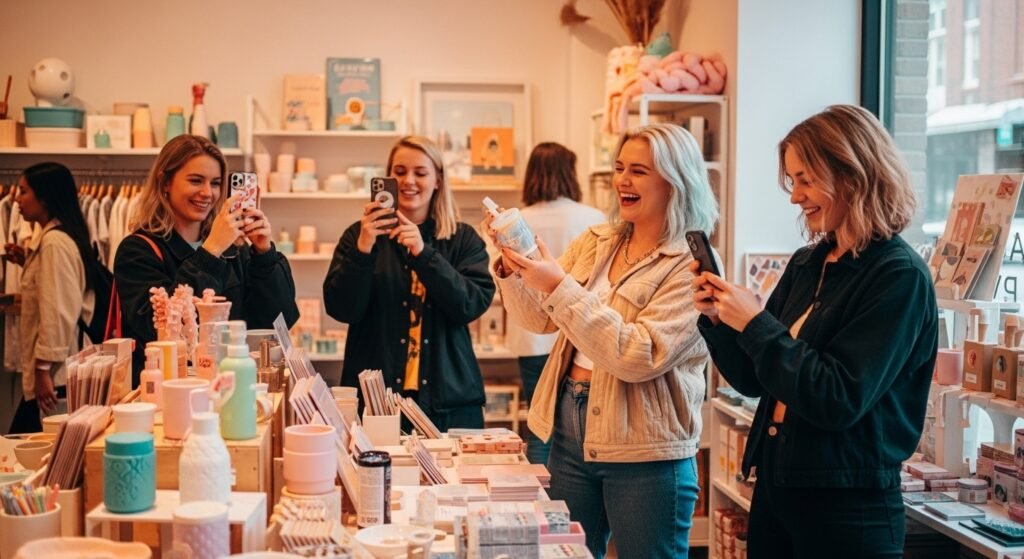
The importance of “the vibe” surpasses product specifications in 2026. The brand creates an emotional “aesthetic” which includes “cozy” and “chaotic” because younger shoppers purchase based on their feelings about the brand.
