
Schooling in the U.S. back in the 1950s bore little resemblance to how things are now. Because of the times after World War II, classrooms emphasized obedience, national pride, and deference to teachers. Chalkboards ruled over screens, lectures replaced discussion, yet clear routines gave shape to each day. Though rules brought order, they also revealed gaps between groups – an imbalance soon questioned when equality took center stage. Peering into old photos of students sitting in rows brings up thoughts about change over time. Chalk dust hung in the air instead of keyboard clicks filling silence during lessons. Teachers wore suits while kids followed rules down to their socks and shoes. Desks were nailed together rather than rolling on wheels between rooms.
Strict Discipline
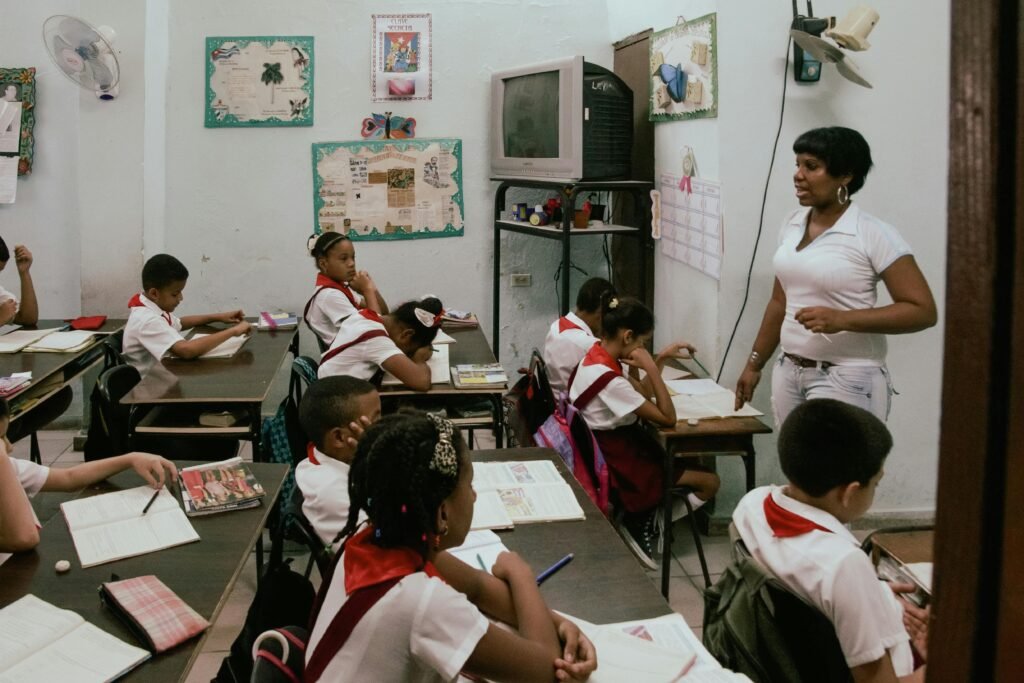
Back then, teachers held power that few dared to challenge. Obedience came first – students followed orders without asking why. Some classrooms used detention; others went further, allowing physical penalties.
Chalkboards, Not Screens
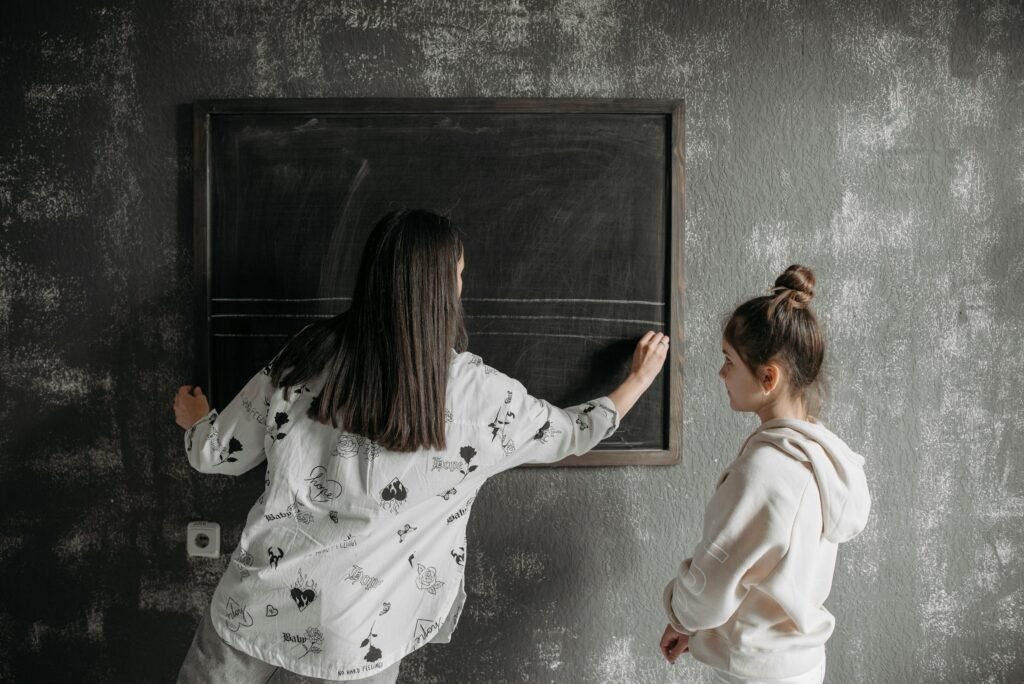
Back then, schools barely used tech at all. Chalk dust filled the air as lessons came from blackboards, paper books, white handwriting on lined sheets. Instead of screens or online clips, students saw drawings made live by their instructor – simple lines shaping ideas right before them.
Memorization First
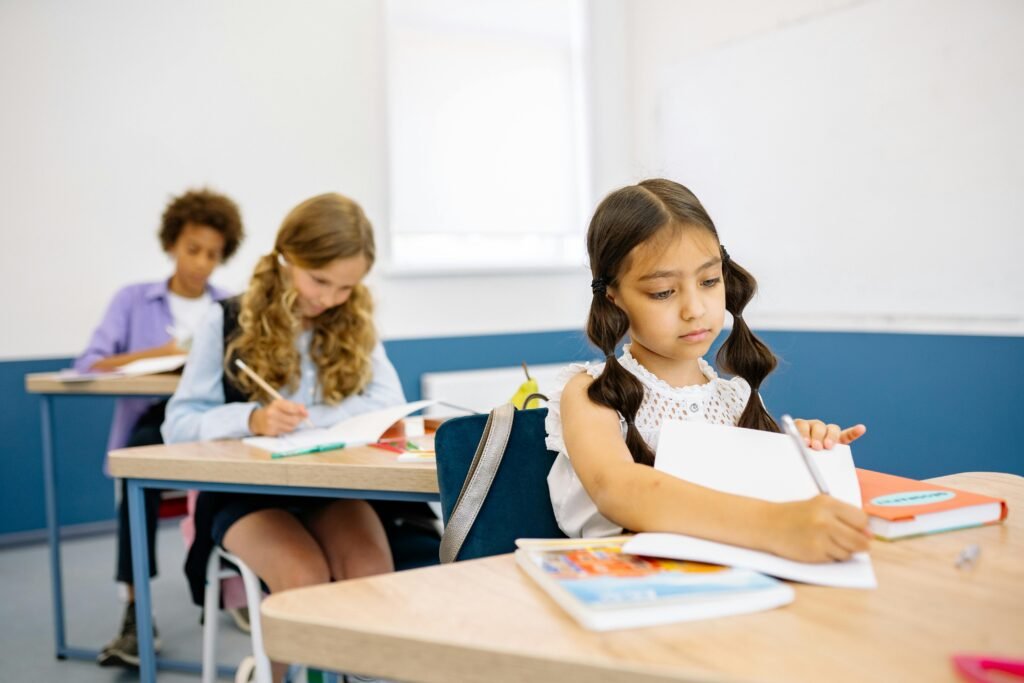
Back then, school meant drilling numbers into your head. Reciting times tables became routine, over and over again. Facts stuck through repetition, nothing fancy about it. Dates from history got hammered home just the same way.
Pledge Every Morning
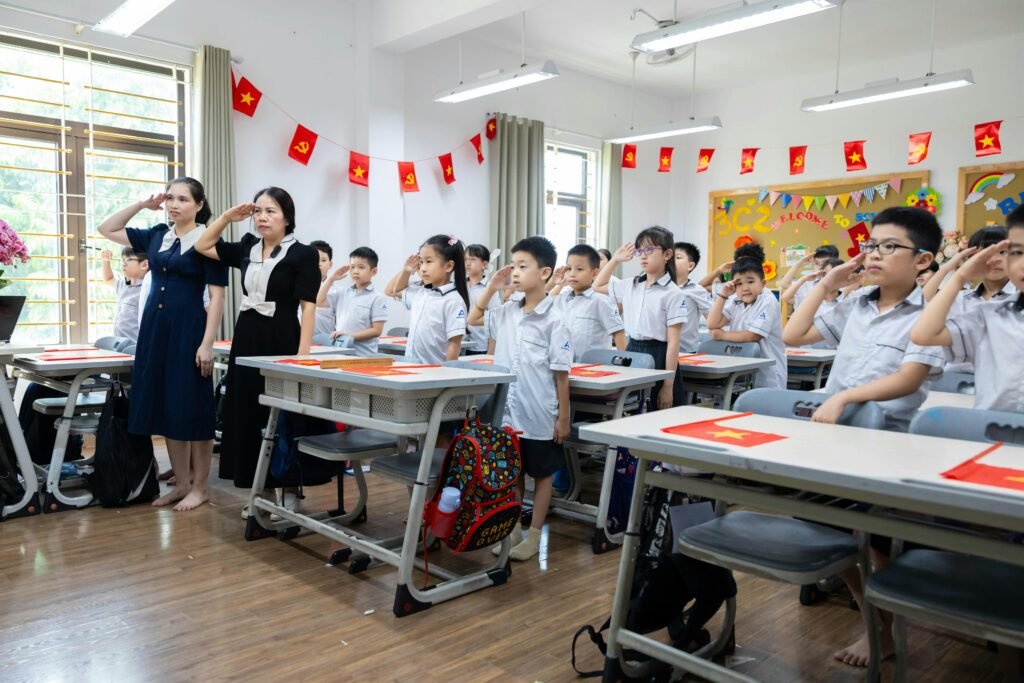
A flag often hung near the chalkboard. Each morning, voices rose together while hands rested on chests – routine shaped by decades of us-versus-them tension beyond borders.
Formal Classrooms
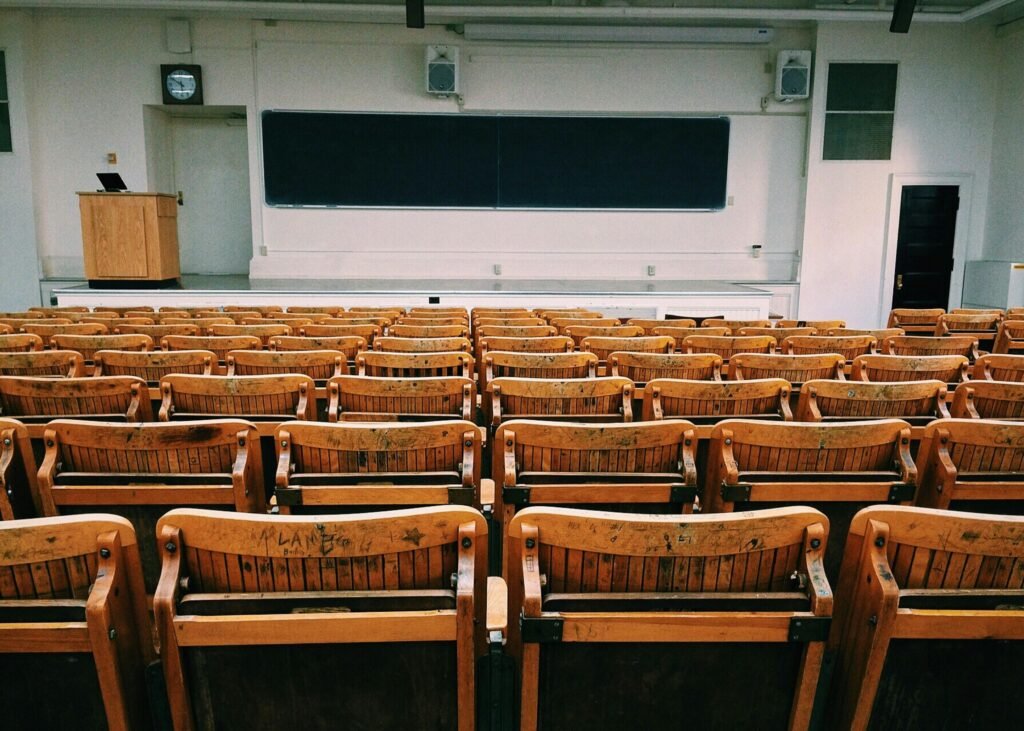
Facing forward they sat, desks lined up like train cars in tight formation. Silence ruled as voices came only from the front, where instruction flowed one way – downstream to still figures waiting.
Clear Gender Roles
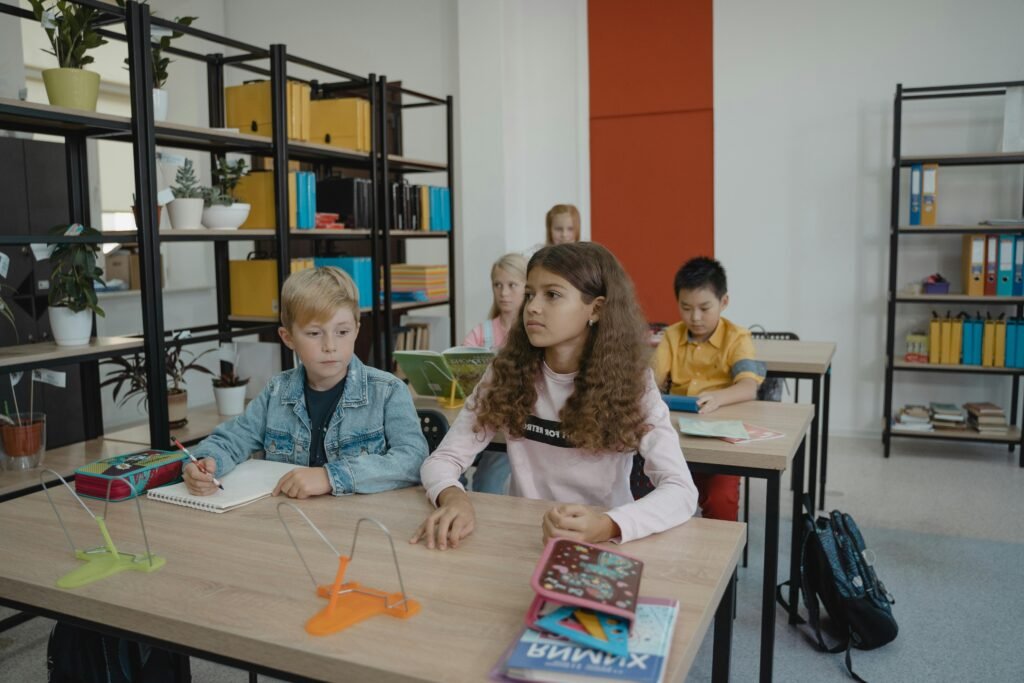
Some kids faced pushes in separate directions early on. While boys usually ended up in woodshop or metalwork, others stitched fabric under classroom lights. One path led to hammers and blueprints; the next stirred pots beside recipe cards.
School Dress Expectations

Strict clothing rules showed up in lots of schools. Neat trousers paired with buttoned shirts defined boys’ looks. Dresses or skirts were common for girls, shaping their daily appearance.
Limited Diversity
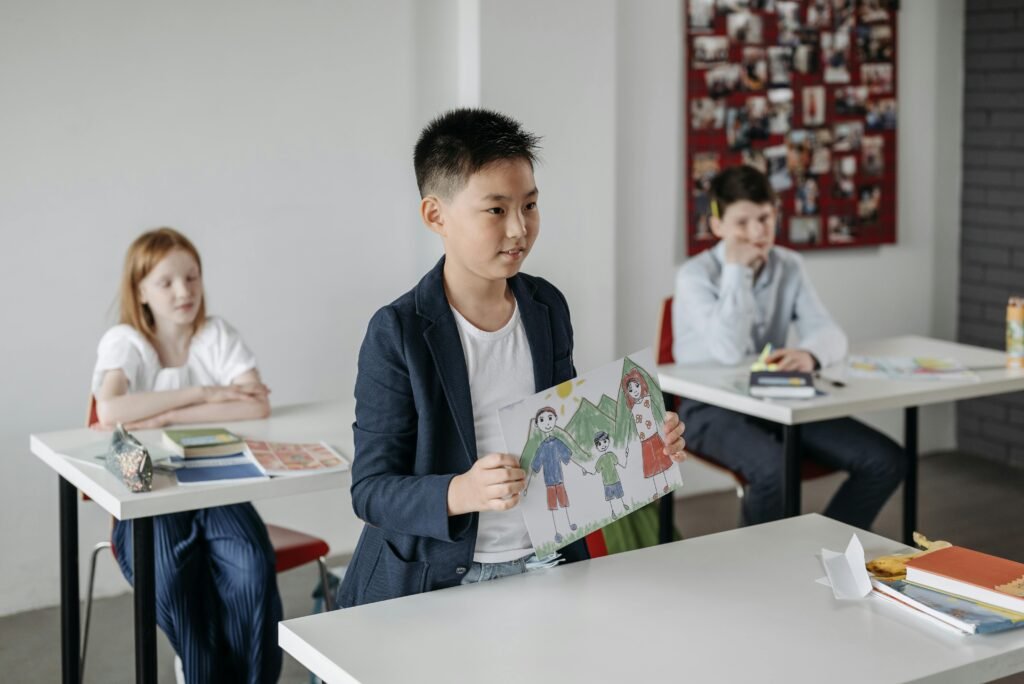
Beside open fields and quiet towns, classrooms stayed split along racial lines until changes came through civil rights progress.
Teacher-Centered Learning
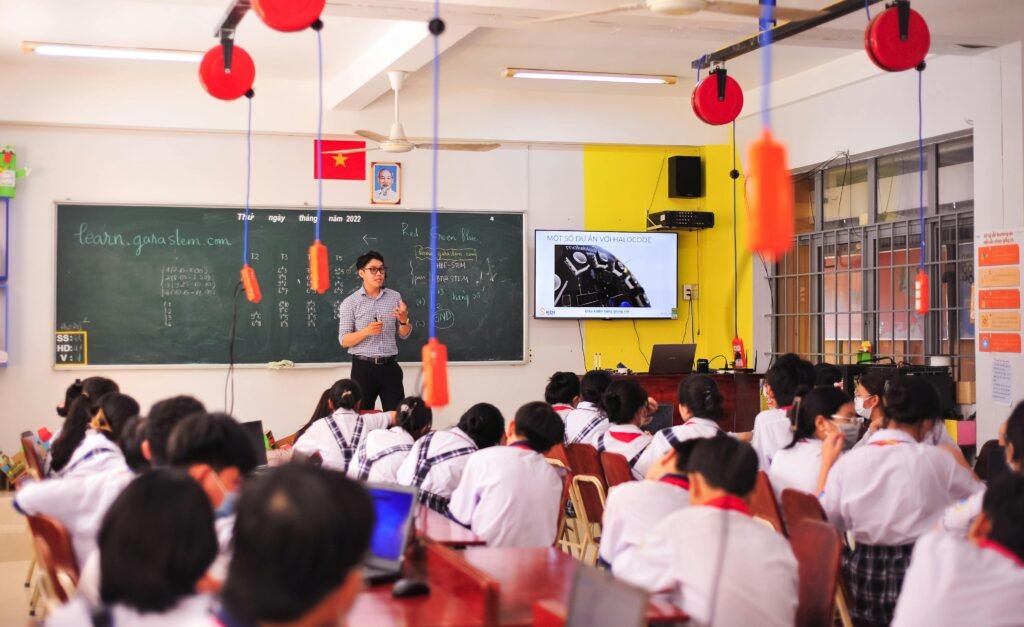
Most lessons meant listening to long talks. From the front desk, instructors explained topics as learners wrote everything down. Now and then someone asked a question, but it didn’t happen much.
Community-Focused Schools
Back in those days, classrooms breathed like living rooms. Folks down the street recognized teachers by name, not just as staff. Events at school pulled everyone together – like harvest nights or church suppers.
