
The latest startups develop advanced technology solutions to prevent teen vaping through methods that extend beyond their existing prohibition policies. The companies have created a new version of the vape product which becomes less attractive to children while making it impossible for underage users to enter restricted areas.
Biometric Fingerprint Locks
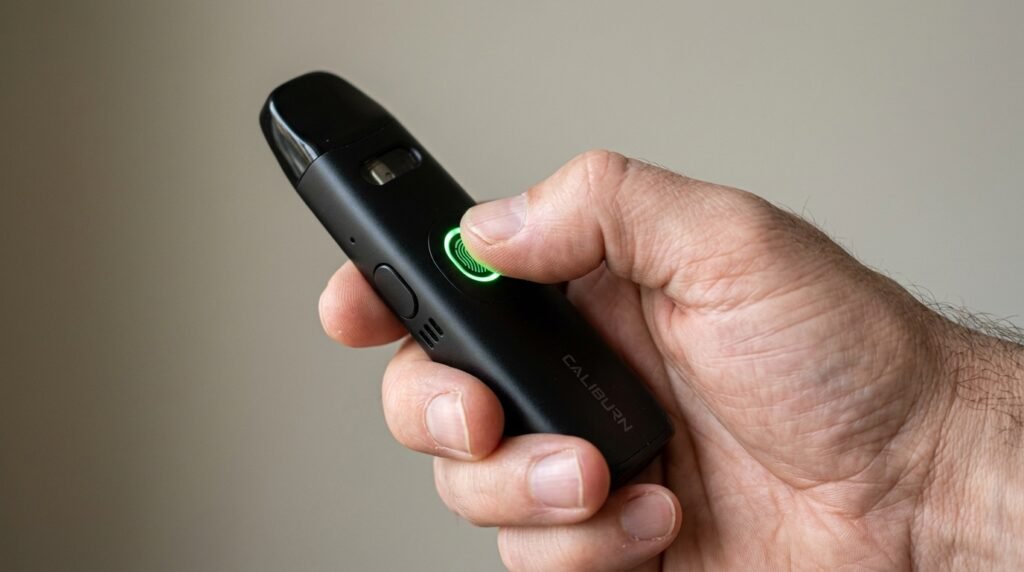
Vape-Free Tech creates devices that need a fingerprint to unlock their security systems according to their startup program. This technology blocks heating element activation when teens obtain a parent’s device or purchase one from a friend because only registered adults can use their fingerprints.
Bluetooth Phone Tethering

The latest smart vapes require users to connect their devices through a smartphone application that needs government-ID scanning for access. The device stops working permanently when the phone moves beyond ten feet or the app identifies a minor profile.
AI Flavor Detection

The companies block candy-flavored products because they use internal sensors that stop the device from working when someone tries to insert a sweet-flavored pod that has not been approved. The hardware requires users to operate their system with only basic tobacco or menthol scents which become less attractive to children.
The “Vape-Detector” Sensor

Halo operates as a startup that provides schools with bathroom sensors which detect the unique chemical signature of vape clouds. The devices send silent alerts to school security whenever a student begins vaping inside private stalls.
Social Media “Ghost” Filters

Marketing startups are building AI tools that scan Instagram and TikTok to flag and remove “stealth” vape ads. They aim to diminish the social trend which associates vaping with attractiveness by blocking all appealing images from reaching younger audiences.
Digital “Nudge” Quitting Apps

Quit Genius uses gamified elements to help teenagers end their tobacco usage according to their company mission. The app provides small rewards plus social support to replace the dopamine hit that nicotine provides instead of just saying don’t.
Invisible UV Markings
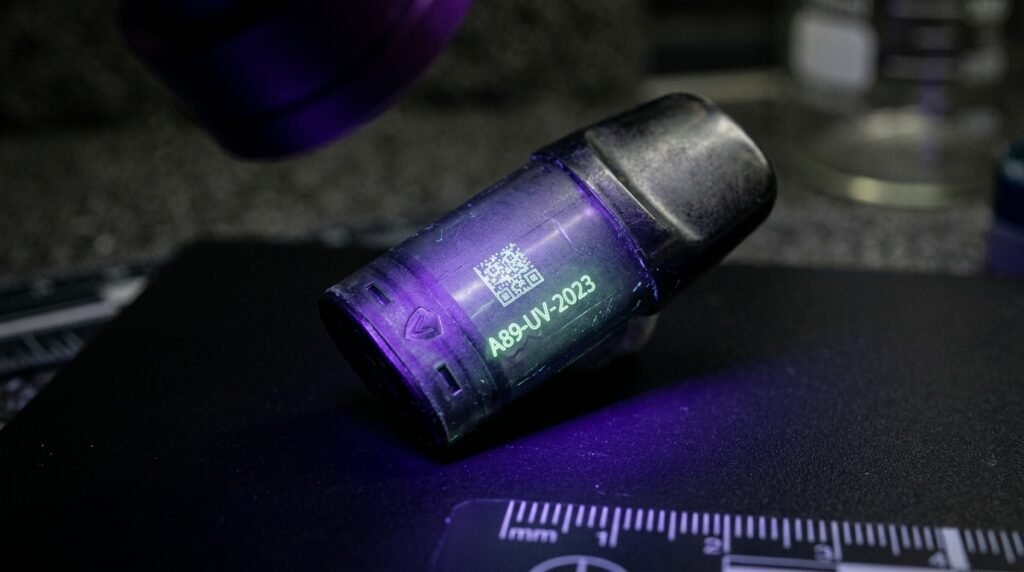
Startups use invisible UV ink to mark pods as a method to catch straw buyers who purchase pods for underage users. Police officers can trace back to the original store and adult who bought the product because the pod contains a scannable code that reveals this information.
Subscription-Only Access

Startups have changed their sales method to a subscription-only system which requires customers to undergo facial recognition checks at regular intervals to stop age ID verification from being bypassed in corner stores.
Non-Nicotine “Stress” Vapes
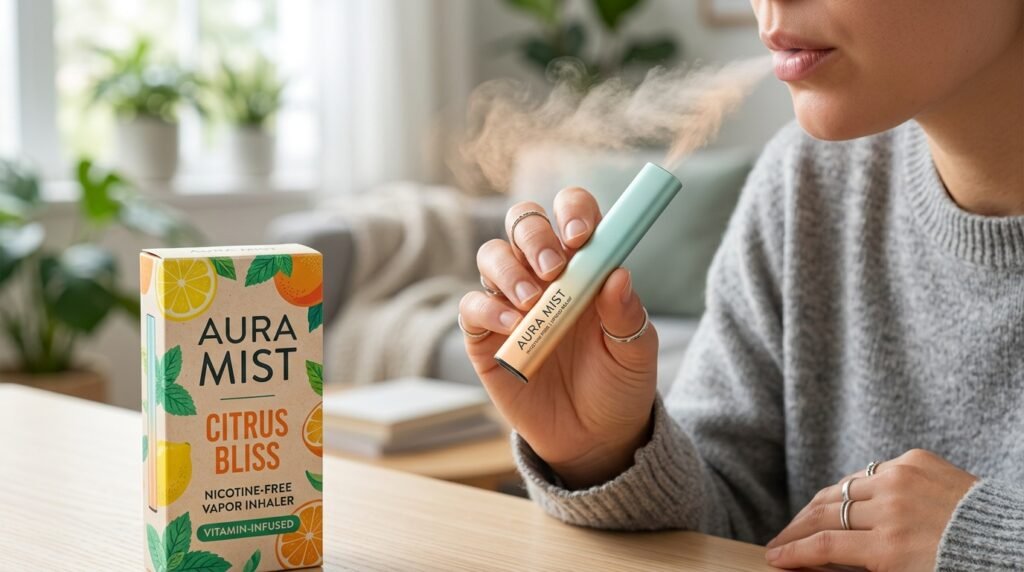
Brands now sell products that replace nicotine with vitamin-infused air and plain flavored water vapor. The fidget devices enable users to practice hand-to-mouth behavior while avoiding the addictive chemicals that would harm their developing brains.
Smart Locker Pickups

Some companies prefer using secure lockers which need physical ID swipe and face scan to open their packages instead of delivering them to customers’ homes because this method stops teens from stealing packages that arrive on their front porches.
