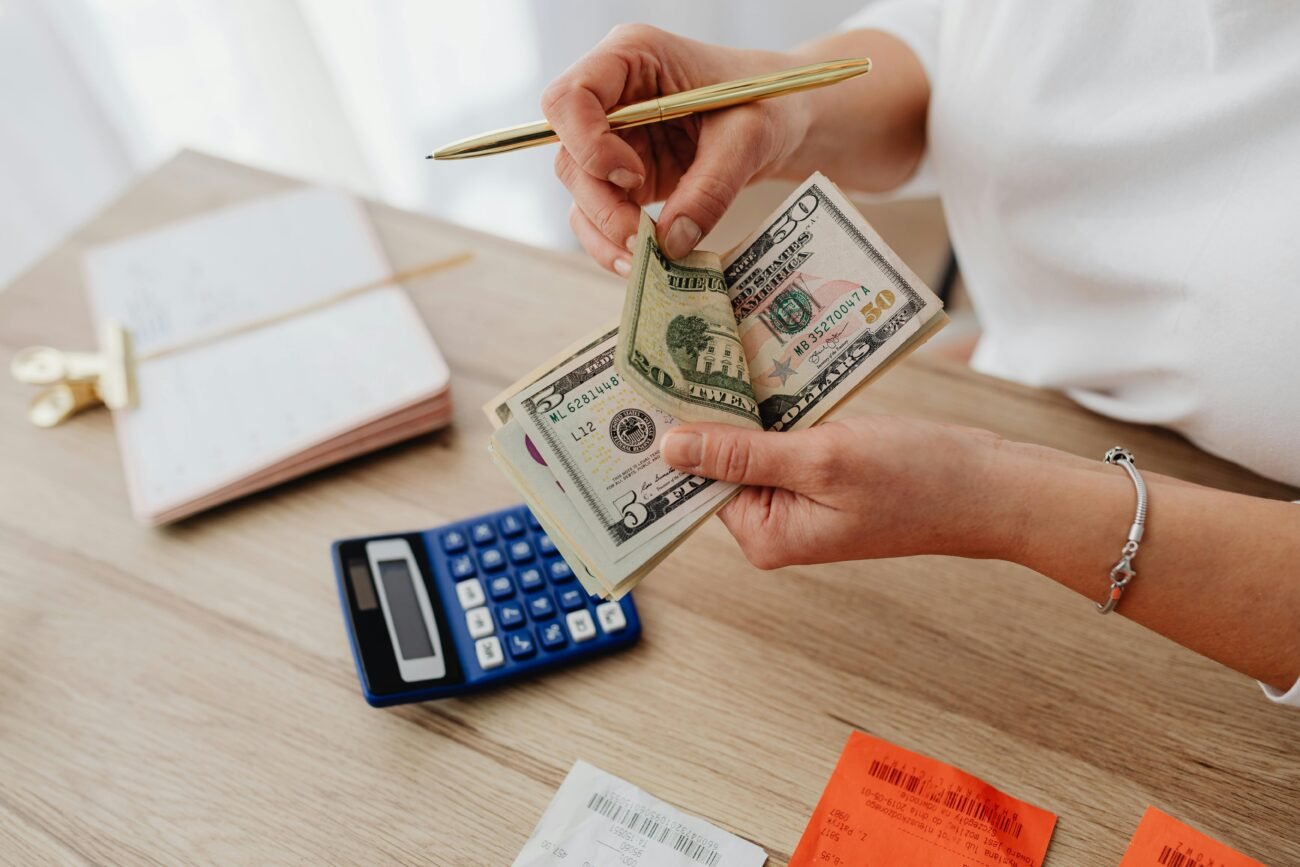
Money habits once felt straightforward. Back then, needs came first. Savings happened if there was extra. Luxuries showed up only once in a while. Now things are not like that at all. Feelings shape choices more than logic does. Taps on screens replace cash exchanges. Social feeds nudge decisions without clear warnings. Ads pop up exactly when attention fades. Quick clicks take over before thoughts catch up. Late-evening browsing turns into orders by sunrise. Trends whisper louder than budgets do. What gets bought often follows mood instead of plan. Reality hits after the delivery arrives.
One-Click Buying
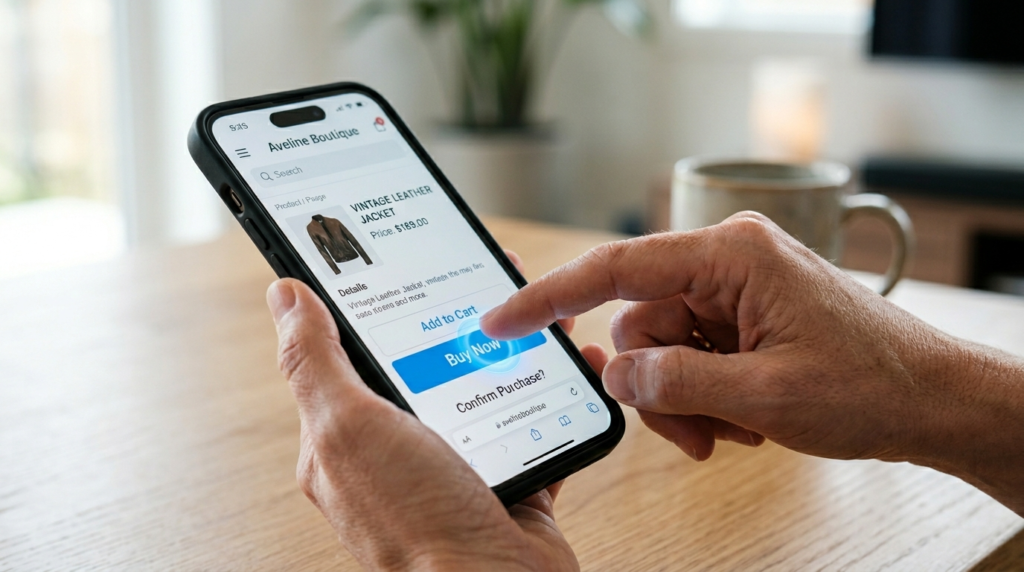
Clicking to buy now feels easier than ever before. One touch finishes the deal right away. That quick step skips any pause to rethink it.
Social Media Influence
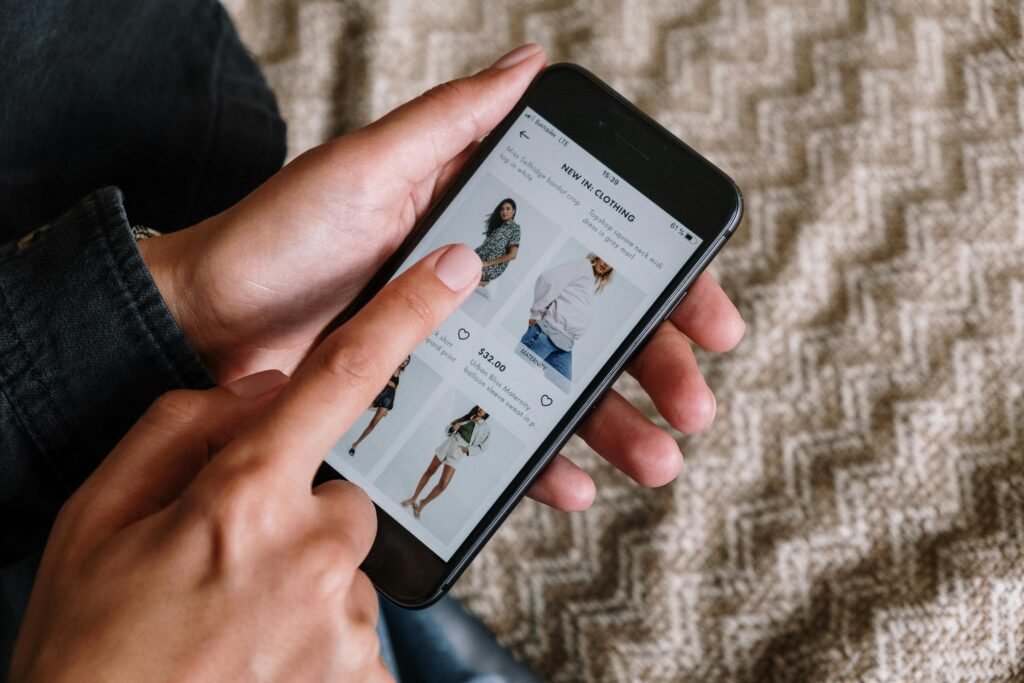
Flickering screens show endless scenes of vacations, shiny phones, clothes, perfect mornings. Life elsewhere looks louder, brighter, always on view. When someone measures their quiet Tuesday against those highlights, wallets open without thinking.
Emotional Purchases

Shopping often follows how someone feels that day. When boredom hits, aisles get walked instead of tasks done. Stress builds up – then receipts appear in its place. A good moment? Cash moves fast as hands reach for something shiny.
The Small Cost Illusion

One tiny fee might seem fine. But strong enough together, costs rise before you notice. Some folks don’t track how much slips away.
Digital Money Feels Different
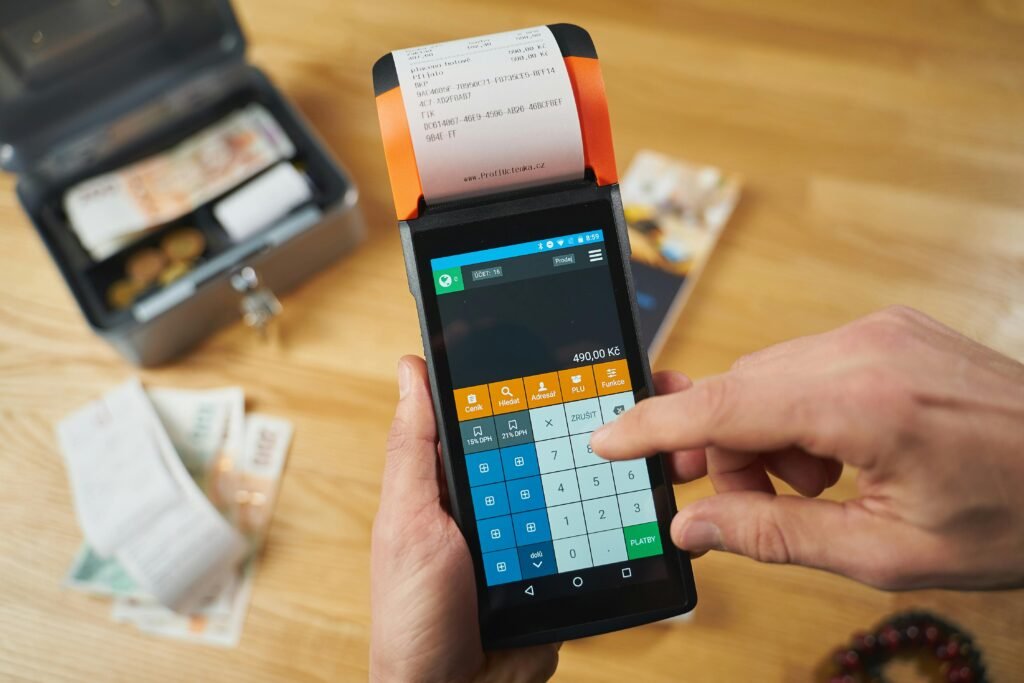
Pocketing paper bills used to ground every purchase in reality. Slipping a card through a machine blurs that connection slowly over time. Fingers tapping screens move quicker than hands counting notes, somehow making amounts seem lighter.
Sales That Keep Going

Deals pop up fast on websites that sell things. People rush to grab them, afraid they’ll miss out. That hurry tends to push caution aside. Thinking clearly? Not so much when time runs short.
Convenience Spending

Out of nowhere, food arriving at your door shows up fast. Ride apps pop open just when you need them. Quick taps replace walking, waiting, thinking. Yet each shortcut pulls money from pockets slowly.
Lifestyle Signaling

What you buy can speak louder than words these days. From outfits to devices, even snapshots of trips – they paint a picture on screens. Money spent shapes how people see who you are.
Fear Of Missing Out

FOMO sneaks in when items vanish fast. Because something’s scarce, folks rush – no time to think. That pressure? It’s built on purpose. Ads twist that itch into a need.
Rethinking Money Habits

When we spend shifts, noticing matters. Spotting those hidden mental nudges makes it easier to open your wallet with purpose. Without that pause, feelings and ease might slip into the driver’s seat without a word.
